


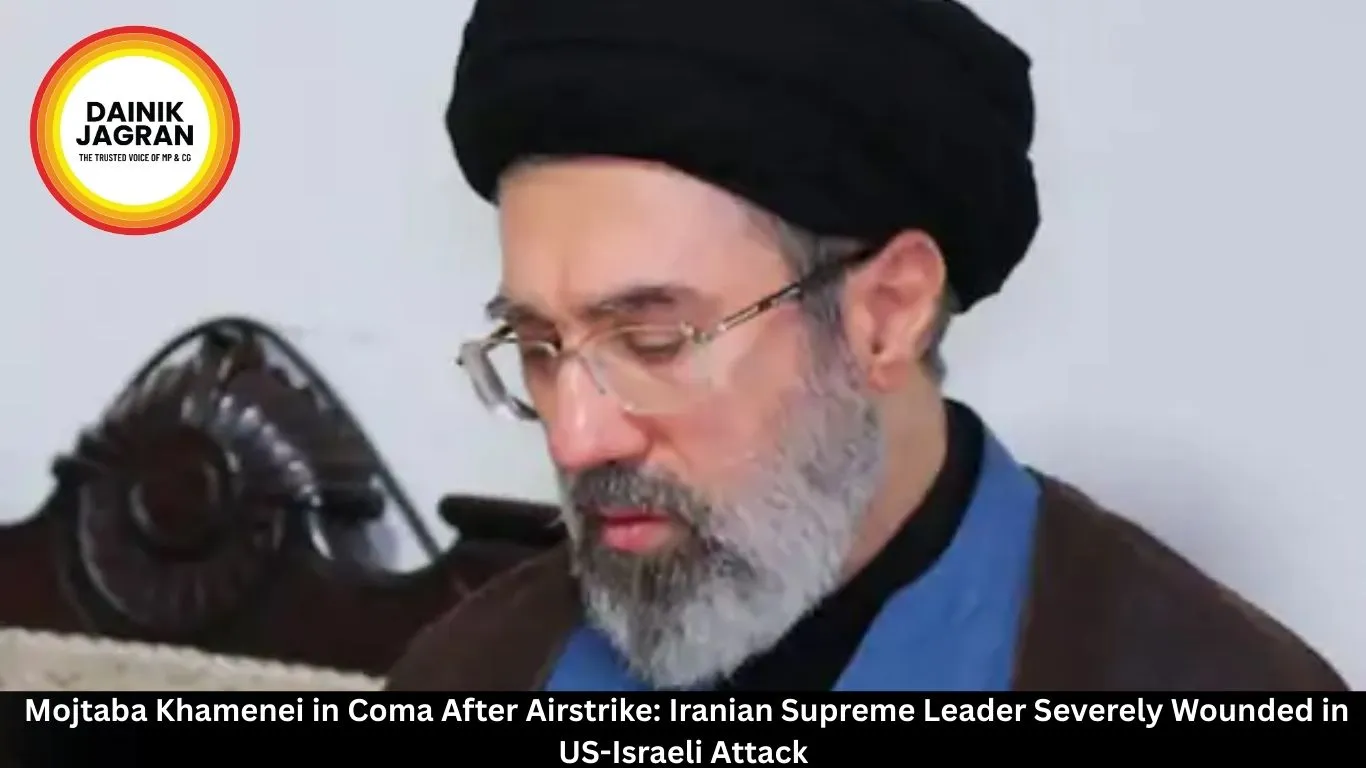
Mojtaba Khamenei in Coma After Airstrike: Iranian Supreme Leader Severely Wounded in US-Israeli Attack
Digital Desk
Iranian Supreme Leader Mojtaba Khamenei in Coma Following Airstrike
In a dramatic escalation of the ongoing Middle East conflict, Iran's Supreme Leader Mojtaba Khamenei is reportedly in a coma after being severely wounded during coordinated US-Israeli airstrikes on February 28. The development marks one of the most significant turning points in the region's volatile security situation.
According to a report from British media outlet The Sun, Khamenei sustained catastrophic injuries in the attack, including the amputation of one leg and severe damage to his stomach and liver. Medical sources indicate the 55-year-old leader remains in a comatose state, with no official confirmation from Iranian authorities regarding his condition.
Unconfirmed Report of Critical Injuries
The reported injuries come at a precarious moment for the Islamic Republic. Mojtaba Khamenei had only assumed the position of Supreme Leader on March 9, following the death of his father, Ayatollah Ali Khamenei, who was reportedly killed in the same airstrike that initially wounded his son.
Sources suggest Mojtaba suffered a fractured leg during the first wave of attacks but continued to lead until his condition deteriorated. The Iranian government has maintained complete silence on the leadership crisis, raising questions about potential power vacuums and succession struggles behind closed doors.
Regional Tensions Boil Over
The strikes have ignited a new phase in the long-standing conflict between Iran and the US-Israeli alliance. Prior to his incapacitation, Mojtaba Khamenei issued a fiery statement through Iranian state television, warning that attacks on US military bases in the Middle East would continue unabated.
"The Strait of Hormuz will not be reopened under the current circumstances," Khamenei declared in what would become his final public communication. He demanded the immediate closure of all US military bases in the region, threatening further retaliation against American and Israeli interests.
India's Diplomatic Response
As the crisis unfolds, India has moved swiftly to protect its strategic interests. Prime Minister Narendra Modi held telephonic discussions with Iranian President Masoud Pezeshkian, expressing "deep concern about the rising tensions, the loss of civilian lives, and the damage to civilian infrastructure."
Foreign Ministry spokesperson Randhir Jaiswal provided crucial updates during a Thursday press conference, revealing that Indian and Iranian foreign ministers have held three conversations in recent days.
Key Takeaways from India's Position:
- Indian Citizens in Iran: Approximately 9,000 Indians, including students, sailors, businesspeople, professionals, and pilgrims, are currently in Iran. The government is actively working to ensure their safety.
- Evacuation Assistance: Indian nationals stranded in Iran are receiving government support for safe evacuation. Those returning through Azerbaijan and Armenia are being assisted with visas and border crossings.
- Maritime Security: Discussions with Iran have focused on ensuring shipping safety in the region, though Jaiswal declined to confirm whether Iran has granted passage guarantees for Indian vessels.
- Diplomatic Engagement: PM Modi has held talks with Gulf leaders, emphasizing dialogue and diplomacy as the path to restoring regional peace. India has stressed the critical importance of protecting civilians during the conflict.
Tribute to Fallen Leadership
In a gesture of diplomatic protocol, India paid tribute to Iran's late leader Ali Khamenei. Foreign Secretary Vinay Kwatra visited the Iranian Embassy on March 5 to sign the condolence book, maintaining diplomatic channels even as the situation remains fluid.
What Happens Next?
The reported incapacitation of Mojtaba Khamenei creates unprecedented uncertainty in Iran's political structure. Without official confirmation, analysts caution that competing factions within the Iranian government may be maneuvering for position. The coming days will prove critical in determining whether Iran pursues even more aggressive military posturing or seeks de-escalation through backchannel communications.
For India, balancing energy security interests, the safety of nearly 9,000 citizens in Iran, and strategic relationships with Gulf partners requires delicate diplomacy. As the Middle East braces for potential further escalation, all eyes remain on Tehran for any official statement regarding the Supreme Leader's condition—and what comes next for a region already teetering on the edge.



.jpg)




