Pakistan Strikes Kabul Hospital: 400 Dead, 250 Injured in Deadliest Pakistan-Afghanistan Attack Yet
Digital Desk
The Strike That Shocked the World
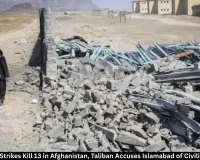
In the deadliest single incident of the ongoing Pakistan-Afghanistan conflict, a Pakistani airstrike struck the Omar Addiction Treatment Hospital in Kabul at approximately 9 p.m. local time on March 16, killing at least 400 people and injuring around 250 others. The facility — a 2,000-bed drug rehabilitation centre known as "Omid," meaning "Hope," located in a former NATO camp — was housing thousands of young Afghans battling addiction, one of the country's most severe social crises.
This was not a military base. This was a hospital full of patients.
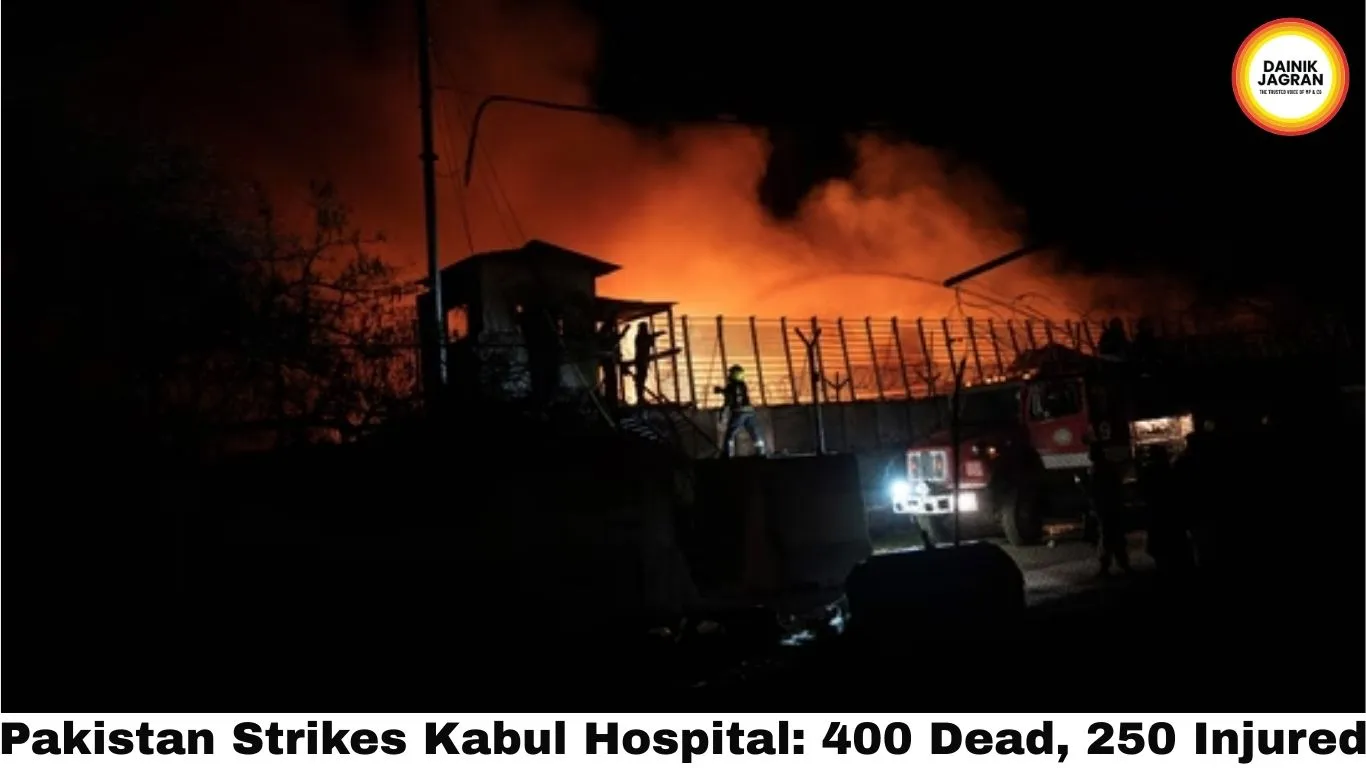
The Pakistan airstrike on Kabul's Omid hospital is not just a tragedy — it is a turning point. Whatever the truth of competing narratives, the images of rescue workers using flashlights to carry bodies from burning rubble demand a global response.
What Happened: A Timeline
The conflict began in late February when Pakistan launched airstrikes inside Afghanistan that Kabul said killed civilians. Afghanistan retaliated with cross-border attacks, disrupting a ceasefire that Qatar had brokered in October 2024. Since then, Pakistan has declared itself in a state of "open war" with Afghanistan.
On the day of the hospital strike, Afghan officials reported that mortar shells from Pakistan struck villages in Khost province, killing four people including two children, as fighting entered its third week. That same evening, the Omid hospital was hit.
Television footage showed firefighters struggling to extinguish flames among the ruins of the building, while security forces carried out casualties under flashlight in the dark.
Pakistan Denies It. Afghanistan Calls It a Crime Against Humanity.
The two sides are telling vastly different stories.
Pakistan's Ministry of Information stated that its strikes precisely targeted military installations and terrorist support infrastructure in Kabul and Nangarhar, and that its targeting was "precise and carefully undertaken to ensure no collateral damage."
Afghanistan's government spokesman Zabihullah Mujahid flatly rejected that version, accusing Pakistan of "targeting hospitals and civilian sites to perpetrate horrors" and calling the act "against all accepted principles and a crime against humanity."
A Taliban health spokesman confirmed that the death toll could rise further, as rescue teams were still pulling bodies from the rubble.
The truth of what happened inside that facility matters enormously — but the scale of death demands accountability regardless of which narrative holds up to scrutiny.
The Bigger Picture: Why This Conflict Keeps Escalating
At the heart of this war is a long-running accusation. Pakistan accuses Afghanistan of providing safe haven to the Pakistani Taliban (TTP), designated a terrorist organisation by the United States, as well as to Baloch separatist groups who regularly attack Pakistani civilians and security forces. Kabul flatly denies this.
China's Foreign Ministry confirmed that its special envoy has been shuttling between Kabul and Islamabad to mediate, urging both sides to "remain calm, exercise restraint," and achieve a ceasefire through dialogue. The international community is watching closely — and nervously — because the region is also home to al-Qaeda and the Islamic State group, both of which have been attempting to resurface.
The UN Speaks — But Is Anyone Listening?
Hours before the hospital strike, the UN Security Council unanimously adopted a resolution calling on Afghanistan's Taliban rulers to immediately step up efforts to combat terrorism. The resolution also extended the UN political mission in Afghanistan for three months. It condemned terrorist activity in the strongest terms — but crucially did not name Pakistan.
That omission reflects the geopolitical tightrope the international community is walking. Naming Pakistan would escalate diplomatic tensions. Staying silent enables a war with no ceasefire in sight.
The World Cannot Look Away
The Pakistan airstrike on Kabul's hospital is a moment that strips away the language of military precision and lays bare the human cost of this conflict. Whether the building housed patients or militants — and overwhelming evidence points to the former — 400 people are dead and 250 are injured. Rescue workers are still pulling bodies from the fire.
South Asia cannot afford a full-scale war between two nuclear-armed neighbours in an already volatile neighbourhood. The international community's calls for restraint have so far gone unheeded. That must change — now.