Pakistan as US-Iran Peace Mediator: Can Islamabad End the War Before It Escalates Further?

Digital Desk

Pakistan as US-Iran Peace Mediator: Can Islamabad End the War Before It Escalates Further?

Pakistan emerges as a key US-Iran war mediator as Islamabad offers to host nuclear talks. Can diplomacy halt a conflict that has already killed 2,000+?

Pakistan Steps Up as US-Iran War Mediator — Can Islamabad Broker Peace?


As the US-Iran war enters its fourth devastating week, an unlikely diplomatic heavyweight has stepped into the spotlight — Pakistan. With over 2,000 lives lost, millions displaced, and global oil prices threatening to cross $120 per barrel, the window for diplomacy is narrow. And Islamabad may be the only city in the world that both Washington and Tehran trust enough to sit across the table.


Why Pakistan Is the Right Mediator Right Now

Pakistan's emergence as a US-Iran war mediator is no accident. It sits at a rare geopolitical sweet spot — trusted by America, not hostile to Iran, deeply embedded in the Muslim world, and experienced in back-channel diplomacy.

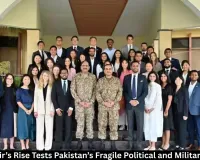
Army Chief Field Marshal Asim Munir spoke directly with President Trump over the weekend, while Prime Minister Shehbaz Sharif held multiple calls with Iranian President Masoud Pezeshkian. Meanwhile, Foreign Minister Ishaq Dar coordinated with counterparts in Turkey and Egypt, quietly assembling the diplomatic groundwork for a potential peace summit.

Pakistan's Foreign Office put it plainly: "If the parties desire, Islamabad is always willing to host talks."


What a Potential Islamabad Summit Could Look Like

Reports from Axios, the Financial Times, and The Times of Israel suggest a high-level in-person meeting could take place in Islamabad soon. The US side may include envoy Steve Witkoff, Jared Kushner, and possibly Vice President JD Vance. Iran could send Parliament Speaker Mohammad Bagher Ghalibaf along with senior officials.

However, the White House has not confirmed any such meeting, stating it will not negotiate through the media. Iran's Foreign Ministry has also officially denied direct talks, dismissing reports as "psychological warfare."

Yet, denials in diplomacy often mean the exact opposite is quietly happening.


Trump's Five-Day Window: A Fragile but Real Opportunity

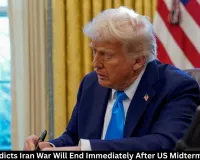
President Trump announced a temporary pause on planned strikes against Iran's power infrastructure following what he called "very good and productive" conversations. He gave diplomacy a five-day window — short, but significant.

This breathing room is crucial. Every additional day of conflict risks:

  • Further closure of the Strait of Hormuz, threatening global energy supply
  • Wider regional escalation pulling in Saudi Arabia and Gulf states
  • Irreversible humanitarian damage inside Iran

The five-day clock is ticking.


Why This Matters Beyond the Middle East

This war isn't just a regional conflict — it's a global economic shock. Oil near $120 per barrel means higher fuel prices, inflation pressure, and supply chain disruption across Asia, Europe, and beyond. India, heavily dependent on Gulf oil, is watching Islamabad's diplomatic moves very closely.

For everyday people from Mumbai to Manchester, how this diplomatic gamble plays out in the next 72 hours will matter at the fuel pump and the grocery store.


Can Pakistan Actually Deliver?

Pakistan has every strategic incentive to succeed. A prolonged US-Iran war destabilises its western neighbour, raises sectarian tensions domestically, and spikes inflation in an already struggling economy.

But mediation is never simple. Iran is humiliated, the US is emboldened, and neither side wants to appear weak. Pakistan must walk a razor-thin line — pushing both parties toward de-escalation without being seen as taking sides.

The coming days will define whether Islamabad rises to this historic moment — or whether the window closes before anyone walks through it.

english.dainikjagranmpcg.com
24 Mar 2026 By Jiya.S

Pakistan as US-Iran Peace Mediator: Can Islamabad End the War Before It Escalates Further?

Digital Desk

Pakistan Steps Up as US-Iran War Mediator — Can Islamabad Broker Peace?


As the US-Iran war enters its fourth devastating week, an unlikely diplomatic heavyweight has stepped into the spotlight — Pakistan. With over 2,000 lives lost, millions displaced, and global oil prices threatening to cross $120 per barrel, the window for diplomacy is narrow. And Islamabad may be the only city in the world that both Washington and Tehran trust enough to sit across the table.


Why Pakistan Is the Right Mediator Right Now

Pakistan's emergence as a US-Iran war mediator is no accident. It sits at a rare geopolitical sweet spot — trusted by America, not hostile to Iran, deeply embedded in the Muslim world, and experienced in back-channel diplomacy.

Army Chief Field Marshal Asim Munir spoke directly with President Trump over the weekend, while Prime Minister Shehbaz Sharif held multiple calls with Iranian President Masoud Pezeshkian. Meanwhile, Foreign Minister Ishaq Dar coordinated with counterparts in Turkey and Egypt, quietly assembling the diplomatic groundwork for a potential peace summit.

Pakistan's Foreign Office put it plainly: "If the parties desire, Islamabad is always willing to host talks."


What a Potential Islamabad Summit Could Look Like

Reports from Axios, the Financial Times, and The Times of Israel suggest a high-level in-person meeting could take place in Islamabad soon. The US side may include envoy Steve Witkoff, Jared Kushner, and possibly Vice President JD Vance. Iran could send Parliament Speaker Mohammad Bagher Ghalibaf along with senior officials.

However, the White House has not confirmed any such meeting, stating it will not negotiate through the media. Iran's Foreign Ministry has also officially denied direct talks, dismissing reports as "psychological warfare."

Yet, denials in diplomacy often mean the exact opposite is quietly happening.


Trump's Five-Day Window: A Fragile but Real Opportunity

President Trump announced a temporary pause on planned strikes against Iran's power infrastructure following what he called "very good and productive" conversations. He gave diplomacy a five-day window — short, but significant.

This breathing room is crucial. Every additional day of conflict risks:

  • Further closure of the Strait of Hormuz, threatening global energy supply
  • Wider regional escalation pulling in Saudi Arabia and Gulf states
  • Irreversible humanitarian damage inside Iran

The five-day clock is ticking.


Why This Matters Beyond the Middle East

This war isn't just a regional conflict — it's a global economic shock. Oil near $120 per barrel means higher fuel prices, inflation pressure, and supply chain disruption across Asia, Europe, and beyond. India, heavily dependent on Gulf oil, is watching Islamabad's diplomatic moves very closely.

For everyday people from Mumbai to Manchester, how this diplomatic gamble plays out in the next 72 hours will matter at the fuel pump and the grocery store.


Can Pakistan Actually Deliver?

Pakistan has every strategic incentive to succeed. A prolonged US-Iran war destabilises its western neighbour, raises sectarian tensions domestically, and spikes inflation in an already struggling economy.

But mediation is never simple. Iran is humiliated, the US is emboldened, and neither side wants to appear weak. Pakistan must walk a razor-thin line — pushing both parties toward de-escalation without being seen as taking sides.

The coming days will define whether Islamabad rises to this historic moment — or whether the window closes before anyone walks through it.

https://english.dainikjagranmpcg.com/international/69c275334b9fb/article-15934

Advertisement

Latest News