
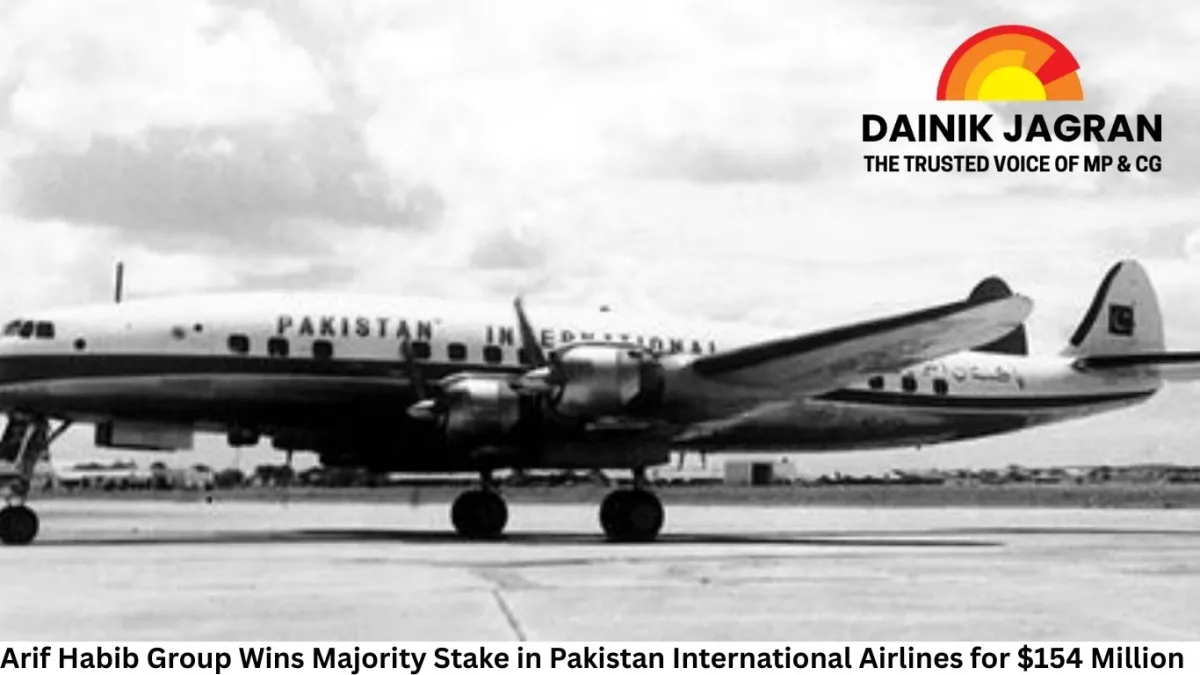
The auction was held in Islamabad under the supervision of the Privatisation Commission and broadcast live on state-run television to ensure transparency. The final bidding round saw a close contest between the Arif Habib Group and the Lucky Cement-led consortium, with both sides matching bids up to the $154 million mark before Arif Habib was declared the successful bidder.
Three groups had initially qualified for the process: the Arif Habib consortium, the Lucky Cement consortium, and private airline AirBlue. In the closed-envelope bidding stage, Arif Habib Group submitted the highest initial offer at Rs 3,680 crore, followed by Lucky Cement at Rs 3,248 crore, while AirBlue bid Rs 848 crore. AirBlue later withdrew, leaving the two major business groups to compete in the final phase.
The government’s decision to sell PIA is rooted in Pakistan’s prolonged economic crisis and commitments made under a $7 billion loan programme with the International Monetary Fund (IMF). As part of the agreement, Islamabad pledged to privatise or restructure loss-making state-owned enterprises. PIA, burdened by chronic mismanagement, declining service standards and mounting debt of nearly Rs 25,000 crore, became a central candidate for divestment.
Prime Minister Shehbaz Sharif, speaking at the formal bid-opening ceremony, said the process was conducted in a “clean, competitive and transparent manner” to dispel concerns of political or institutional interference. He described the sale as a fresh start for the airline and expressed confidence that private management would help restore its credibility and operational efficiency.
PIA’s troubles have been compounded by reputational damage following a deadly crash in Karachi in 2020 and subsequent revelations about pilots holding dubious licences, which led several countries to temporarily ban the airline’s flights. Those restrictions sharply reduced revenues and deepened financial losses.
Under the terms of the deal, 92.5 percent of the proceeds from the sale will go directly to PIA to support restructuring and operational revival, while 7.5 percent will be transferred to the national treasury.
Notably, Fauji Fertilizer Private Limited, an army-affiliated entity that had shown early interest, withdrew from the bidding days before the deadline. Officials cited strategic and regulatory considerations, noting that direct military-linked ownership could raise concerns with the IMF and limit future flexibility. However, the company retains the option to join the winning consortium at a later stage.
Analysts say the acquisition reflects confidence among Pakistan’s largest business groups in the long-term potential of the country’s aviation sector, which currently contributes only 1.3 percent to GDP. The government hopes that privatisation will unlock investment, improve governance, and expand connectivity, mirroring aviation-led growth seen in regional hubs such as the UAE and Saudi Arabia.
With the winning bid now finalised, attention will turn to regulatory approvals and the transition of management, a phase that will determine whether PIA’s privatisation delivers the turnaround long promised but never achieved.

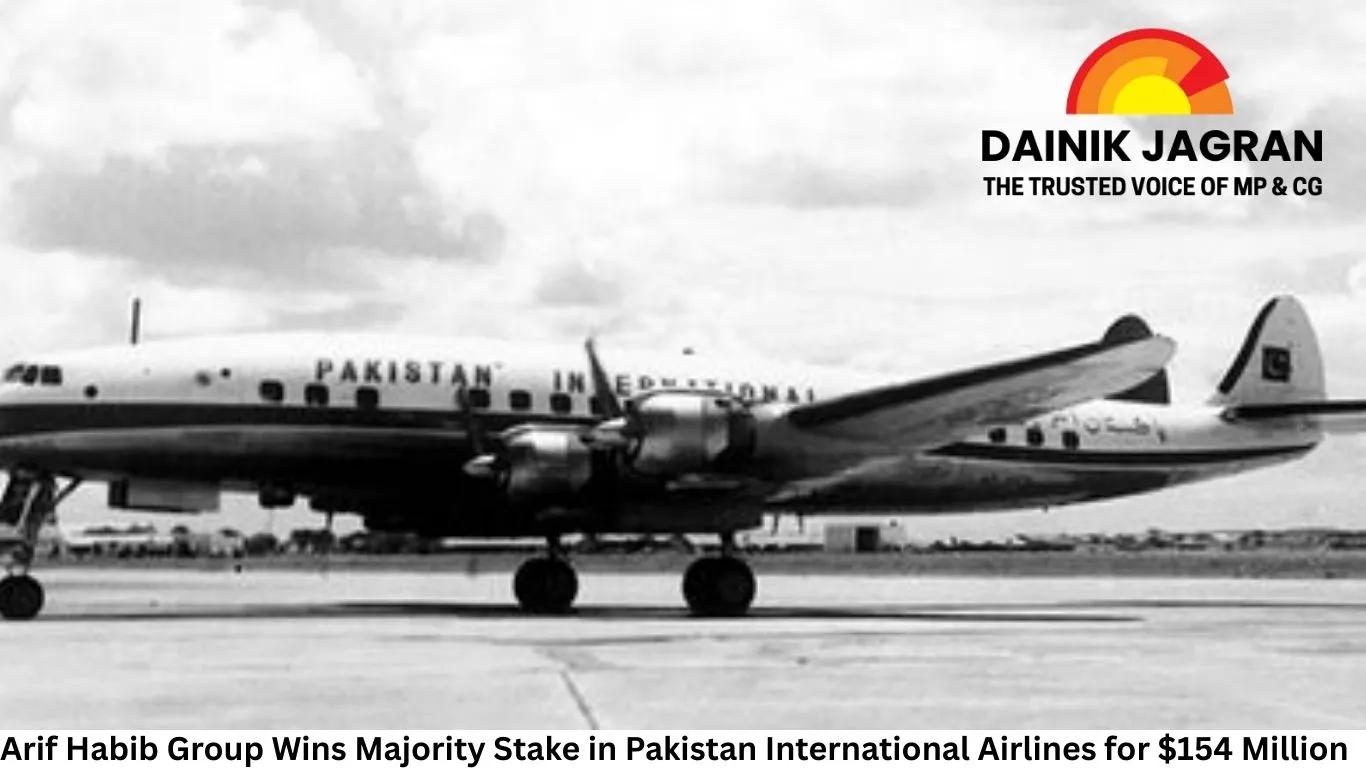
Arif Habib Group Wins Majority Stake in Pakistan International Airlines for $154 Million
Digital Desk
The auction was held in Islamabad under the supervision of the Privatisation Commission and broadcast live on state-run television to ensure transparency. The final bidding round saw a close contest between the Arif Habib Group and the Lucky Cement-led consortium, with both sides matching bids up to the $154 million mark before Arif Habib was declared the successful bidder.
Three groups had initially qualified for the process: the Arif Habib consortium, the Lucky Cement consortium, and private airline AirBlue. In the closed-envelope bidding stage, Arif Habib Group submitted the highest initial offer at Rs 3,680 crore, followed by Lucky Cement at Rs 3,248 crore, while AirBlue bid Rs 848 crore. AirBlue later withdrew, leaving the two major business groups to compete in the final phase.
The government’s decision to sell PIA is rooted in Pakistan’s prolonged economic crisis and commitments made under a $7 billion loan programme with the International Monetary Fund (IMF). As part of the agreement, Islamabad pledged to privatise or restructure loss-making state-owned enterprises. PIA, burdened by chronic mismanagement, declining service standards and mounting debt of nearly Rs 25,000 crore, became a central candidate for divestment.
Prime Minister Shehbaz Sharif, speaking at the formal bid-opening ceremony, said the process was conducted in a “clean, competitive and transparent manner” to dispel concerns of political or institutional interference. He described the sale as a fresh start for the airline and expressed confidence that private management would help restore its credibility and operational efficiency.
PIA’s troubles have been compounded by reputational damage following a deadly crash in Karachi in 2020 and subsequent revelations about pilots holding dubious licences, which led several countries to temporarily ban the airline’s flights. Those restrictions sharply reduced revenues and deepened financial losses.
Under the terms of the deal, 92.5 percent of the proceeds from the sale will go directly to PIA to support restructuring and operational revival, while 7.5 percent will be transferred to the national treasury.
Notably, Fauji Fertilizer Private Limited, an army-affiliated entity that had shown early interest, withdrew from the bidding days before the deadline. Officials cited strategic and regulatory considerations, noting that direct military-linked ownership could raise concerns with the IMF and limit future flexibility. However, the company retains the option to join the winning consortium at a later stage.
Analysts say the acquisition reflects confidence among Pakistan’s largest business groups in the long-term potential of the country’s aviation sector, which currently contributes only 1.3 percent to GDP. The government hopes that privatisation will unlock investment, improve governance, and expand connectivity, mirroring aviation-led growth seen in regional hubs such as the UAE and Saudi Arabia.
With the winning bid now finalised, attention will turn to regulatory approvals and the transition of management, a phase that will determine whether PIA’s privatisation delivers the turnaround long promised but never achieved.


.jpg)




