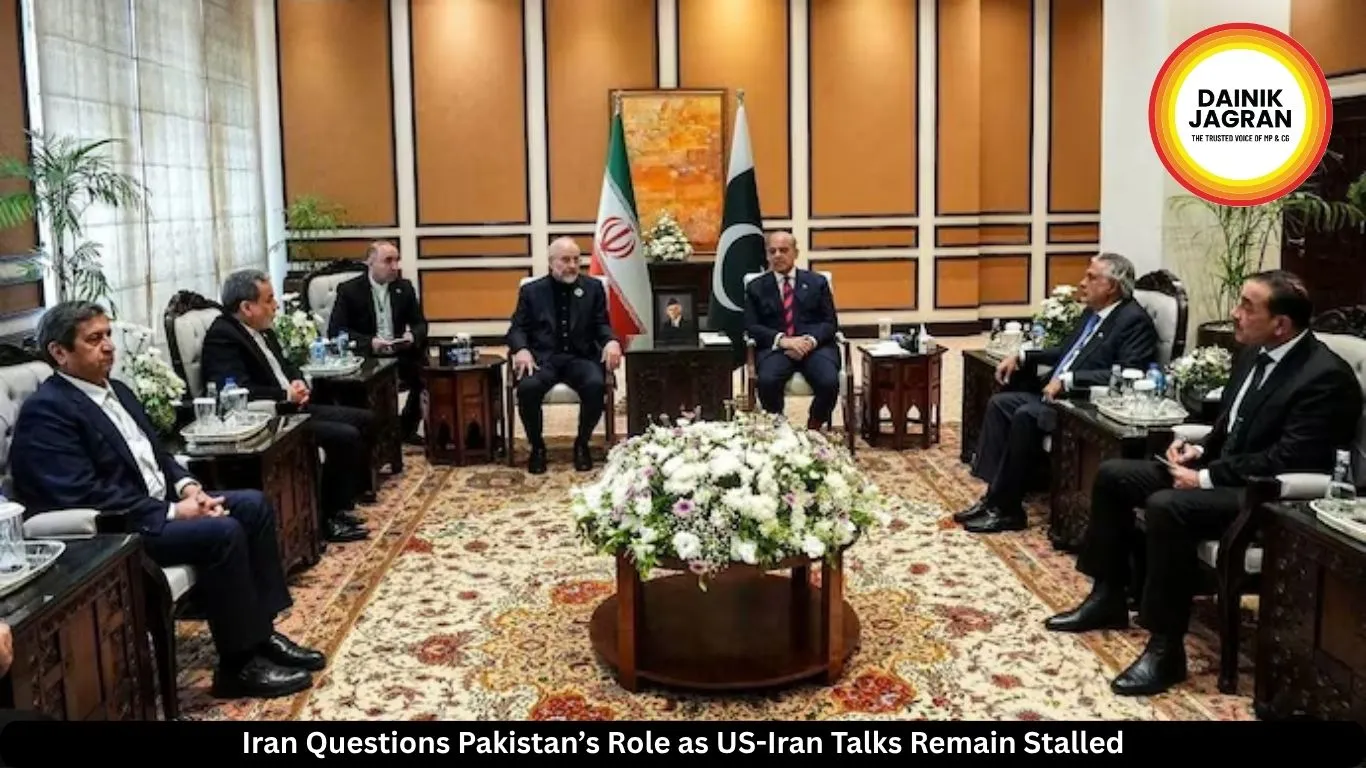
Iran Questions Pakistan’s Role as US-Iran Talks Remain Stalled
International Desk
Iran questions Pakistan’s neutrality in US-Iran talks as Tehran rejects Islamabad’s mediator role and Trump issues a fresh warning to Iran.
Iran has openly questioned Pakistan’s suitability as a mediator in backchannel talks involving Tehran and Washington, adding a fresh diplomatic strain to an already volatile regional situation. The remarks came as efforts to reduce tensions in the Middle East remained inconclusive and no breakthrough was reported in indirect engagement between Iran and the United States.
Ibrahim Rezaei, spokesperson for the Iranian Parliament’s National Security and Foreign Policy Committee, said Pakistan may be a friendly country but it cannot be considered an impartial mediator in negotiations involving Iran and the US.
Pakistan’s neutrality questioned
Rezaei said Pakistan has repeatedly shown a tendency to align with American interests, particularly those linked to former US President Donald Trump, and therefore cannot be viewed as neutral. According to Iranian officials, a credible mediator must maintain equal distance from both sides and avoid favouring one party in strategic negotiations.
His remarks signal growing unease within sections of the Iranian establishment over Islamabad’s diplomatic positioning at a time when multiple regional powers are attempting to prevent further escalation.
The statement also comes amid heightened diplomatic movement. Iranian Foreign Minister Abbas Araghchi visited Pakistan twice within 24 hours, underlining the urgency of consultations taking place behind closed doors, as per reports.
Trump issues warning
The diplomatic friction coincided with a sharp warning from Donald Trump, who claimed Iran had only three days to agree to a ceasefire or risk serious damage to its oil infrastructure.
In an interview with Fox News, Trump said Iran’s oil pipeline system could face internal pressure-related blasts if the conflict continued and export routes remained blocked. He argued that if Iran is unable to move crude through shipping channels or storage networks due to blockade conditions, pressure could build inside pipelines and trigger structural failures.
Trump claimed such damage would be technically difficult to reverse and could significantly reduce Iran’s oil export capacity over the long term.
Oil routes in focus
Trump’s remarks have drawn attention to Iran’s energy infrastructure, which remains central to both its economy and geopolitical leverage. Any disruption to oil movement, whether through sanctions, blockade or military escalation, could deepen pressure on Tehran and impact global energy markets.
Analysts tracking the region say oil remains one of Iran’s strongest strategic assets and a prolonged disruption could alter the balance of ongoing negotiations. While Trump is not currently in office, his comments continue to influence political discourse around US-Iran policy and remain closely watched in National and International News coverage.
Diplomatic pressure grows
The latest developments reflect the increasing complexity of diplomatic efforts involving Iran, the US and regional actors. Pakistan has sought to maintain engagement with both sides, but Tehran’s latest public criticism suggests trust remains limited.
According to officials familiar with regional discussions, mediation efforts have become more difficult as competing strategic interests continue to shape positions across the region. Iran’s public criticism of Pakistan may also complicate Islamabad’s attempts to project itself as a credible intermediary in future talks.
Regional stakes rise
The broader implications extend beyond diplomacy. Any failure in de-escalation efforts could trigger fresh disruptions in oil markets, deepen military tensions and draw more regional players into an already fragile conflict environment.
For Pakistan, the criticism presents a diplomatic challenge. For Iran, it signals a firmer public stance on who it considers acceptable in sensitive negotiations. For the US, the lack of progress keeps the confrontation unresolved.
What comes next
No formal agreement has emerged from the latest round of diplomatic activity, and neither Tehran nor Washington has indicated any immediate shift in position. Pakistan has not publicly responded to Rezaei’s remarks so far.
With Iran questioning Pakistan’s mediator role and Trump renewing pressure on Tehran, the coming days may prove critical for US-Iran talks.
--------
🚨 Beat the News Rush – Join Now!
Get breaking alerts, hot exclusives, and game-changing stories instantly on your phone. No delays, no fluff – just the edge you need. ⚡
Tap to join:
🟢 WhatsApp Channel: Dainik Jagran MP CG
Crave more?
🅕 Facebook: Dainik Jagran MP CG English
🅧 Twitter (X): Dainik Jagran MP CG
🅘 Instagram: Dainik Jagran MP CG
Share the fire – keep your crew ahead! 🗞️🔥
Iran Questions Pakistan’s Role as US-Iran Talks Remain Stalled
International Desk
Iran has openly questioned Pakistan’s suitability as a mediator in backchannel talks involving Tehran and Washington, adding a fresh diplomatic strain to an already volatile regional situation. The remarks came as efforts to reduce tensions in the Middle East remained inconclusive and no breakthrough was reported in indirect engagement between Iran and the United States.
Ibrahim Rezaei, spokesperson for the Iranian Parliament’s National Security and Foreign Policy Committee, said Pakistan may be a friendly country but it cannot be considered an impartial mediator in negotiations involving Iran and the US.
Pakistan’s neutrality questioned
Rezaei said Pakistan has repeatedly shown a tendency to align with American interests, particularly those linked to former US President Donald Trump, and therefore cannot be viewed as neutral. According to Iranian officials, a credible mediator must maintain equal distance from both sides and avoid favouring one party in strategic negotiations.
His remarks signal growing unease within sections of the Iranian establishment over Islamabad’s diplomatic positioning at a time when multiple regional powers are attempting to prevent further escalation.
The statement also comes amid heightened diplomatic movement. Iranian Foreign Minister Abbas Araghchi visited Pakistan twice within 24 hours, underlining the urgency of consultations taking place behind closed doors, as per reports.
Trump issues warning
The diplomatic friction coincided with a sharp warning from Donald Trump, who claimed Iran had only three days to agree to a ceasefire or risk serious damage to its oil infrastructure.
In an interview with Fox News, Trump said Iran’s oil pipeline system could face internal pressure-related blasts if the conflict continued and export routes remained blocked. He argued that if Iran is unable to move crude through shipping channels or storage networks due to blockade conditions, pressure could build inside pipelines and trigger structural failures.
Trump claimed such damage would be technically difficult to reverse and could significantly reduce Iran’s oil export capacity over the long term.
Oil routes in focus
Trump’s remarks have drawn attention to Iran’s energy infrastructure, which remains central to both its economy and geopolitical leverage. Any disruption to oil movement, whether through sanctions, blockade or military escalation, could deepen pressure on Tehran and impact global energy markets.
Analysts tracking the region say oil remains one of Iran’s strongest strategic assets and a prolonged disruption could alter the balance of ongoing negotiations. While Trump is not currently in office, his comments continue to influence political discourse around US-Iran policy and remain closely watched in National and International News coverage.
Diplomatic pressure grows
The latest developments reflect the increasing complexity of diplomatic efforts involving Iran, the US and regional actors. Pakistan has sought to maintain engagement with both sides, but Tehran’s latest public criticism suggests trust remains limited.
According to officials familiar with regional discussions, mediation efforts have become more difficult as competing strategic interests continue to shape positions across the region. Iran’s public criticism of Pakistan may also complicate Islamabad’s attempts to project itself as a credible intermediary in future talks.
Regional stakes rise
The broader implications extend beyond diplomacy. Any failure in de-escalation efforts could trigger fresh disruptions in oil markets, deepen military tensions and draw more regional players into an already fragile conflict environment.
For Pakistan, the criticism presents a diplomatic challenge. For Iran, it signals a firmer public stance on who it considers acceptable in sensitive negotiations. For the US, the lack of progress keeps the confrontation unresolved.
What comes next
No formal agreement has emerged from the latest round of diplomatic activity, and neither Tehran nor Washington has indicated any immediate shift in position. Pakistan has not publicly responded to Rezaei’s remarks so far.
With Iran questioning Pakistan’s mediator role and Trump renewing pressure on Tehran, the coming days may prove critical for US-Iran talks.