Iran Threatens US Bases as Strait of Hormuz Tensions Rise
Digital Desk
IRGC warns of strikes on US assets in the Strait of Hormuz as global powers deploy warships. Russia offers to store Iranian uranium to ease nuclear tensions.
Tensions High as IRGC Threatens US Assets; Russia Offers Uranium Storage Deal
Tehran warns of 'decisive response' as Strait of Hormuz conflict escalates; Britain deploys HMS Dragon to support regional security.
The situation in the Persian Gulf has reached a boiling point today, with Iran’s Islamic Revolutionary Guard Corps (IRGC) issuing a direct warning to the United States. Following fresh hostilities, the IRGC naval command declared via social media that any further attacks on Iranian merchant vessels or tankers would be met with strikes against US military bases and ships. This comes as international navies, including the British Royal Navy, scramble to bolster presence in the Strait of Hormuz to protect vital trade routes.
Britain deploys warship to region
The British government has confirmed the deployment of the HMS Dragon to West Asia, marking a significant escalation in Western efforts to secure the waterway. Sources familiar with the matter indicate that the warship will join a multinational coalition aimed at ensuring the safe passage of merchant vessels through the strait. The French military has also confirmed that its nuclear-powered aircraft carrier, the Charles de Gaulle, is currently en route to the region, highlighting the global stakes involved in the crisis.
Diplomatic efforts remain stalled
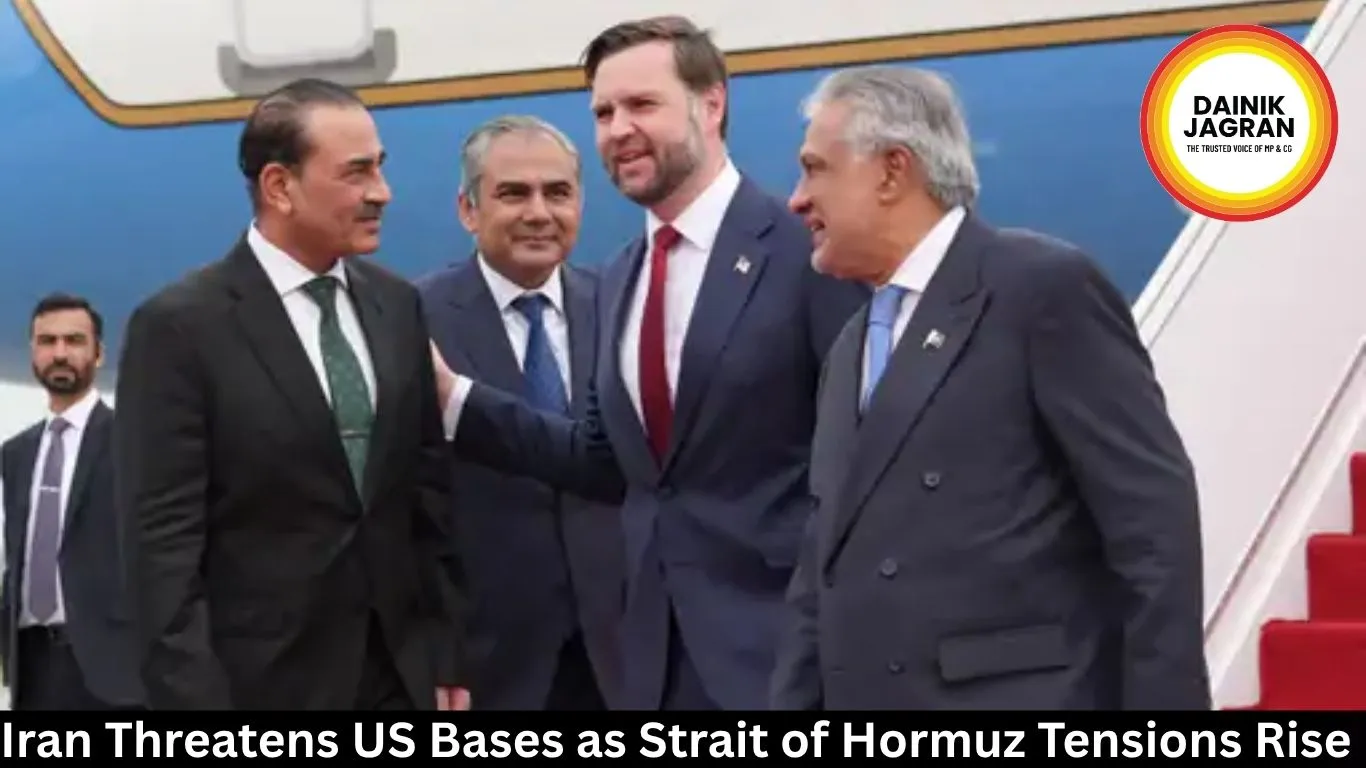
Despite ongoing shuttle diplomacy, the path to a ceasefire remains treacherous. While the US and Iran have been working through mediators to draft a 30-day cessation of hostilities, the nuclear issue continues to serve as a major roadblock. Iran has signaled it will not compromise on its uranium enrichment program, a stance that has frustrated Washington.
Putin steps into nuclear fray
Adding a new layer to the complex negotiations, Russian President Vladimir Putin announced yesterday that Moscow is prepared to transport and store Iran’s stockpile of enriched uranium. Drawing on historical precedent from 2015, the Kremlin suggested this move could bridge the gap in the stalled US-Iran talks. However, the proposal faces significant hurdles, as previous US administrations have been wary of Moscow acting as the primary custodian for Iranian nuclear material.
Crisis hits global markets
The economic ripple effects of the Hormuz crisis are becoming increasingly visible on the ground. Brent crude has climbed to $103 per barrel, reflecting market anxiety over the potential for a prolonged blockade of one of the world’s most critical oil transit arteries. Simultaneously, digital infrastructure remains a point of contention, with Iranian officials recently discussing the potential to monetize submarine fiber-optic cables that carry over $10 trillion in daily global financial transactions through the strait.
Military posturing remains intense
On the ground, the military posture is becoming more aggressive. Iranian Navy Commander Shahram Irani confirmed Sunday that light, indigenously built submarines have been deployed to the seabed in a "trigger-ready" state. Meanwhile, the US Central Command reported that it has successfully prevented over 70 vessels linked to Iranian ports from transiting the area, effectively putting a chokehold on $13 billion in oil cargo. As regional powers continue to trade threats, the prospect of a lasting peace appears slim unless a breakthrough is achieved in the coming weeks.
--------
🚨 Beat the News Rush – Join Now!
Get breaking alerts, hot exclusives, and game-changing stories instantly on your phone. No delays, no fluff – just the edge you need. ⚡
Tap to join:
🟢 WhatsApp Channel: Dainik Jagran MP CG
Crave more?
🅕 Facebook: Dainik Jagran MP CG English
🅧 Twitter (X): Dainik Jagran MP CG
🅘 Instagram: Dainik Jagran MP CG
Share the fire – keep your crew ahead! 🗞️🔥
Iran Threatens US Bases as Strait of Hormuz Tensions Rise
Digital Desk
Tensions High as IRGC Threatens US Assets; Russia Offers Uranium Storage Deal
Tehran warns of 'decisive response' as Strait of Hormuz conflict escalates; Britain deploys HMS Dragon to support regional security.
The situation in the Persian Gulf has reached a boiling point today, with Iran’s Islamic Revolutionary Guard Corps (IRGC) issuing a direct warning to the United States. Following fresh hostilities, the IRGC naval command declared via social media that any further attacks on Iranian merchant vessels or tankers would be met with strikes against US military bases and ships. This comes as international navies, including the British Royal Navy, scramble to bolster presence in the Strait of Hormuz to protect vital trade routes.
Britain deploys warship to region
The British government has confirmed the deployment of the HMS Dragon to West Asia, marking a significant escalation in Western efforts to secure the waterway. Sources familiar with the matter indicate that the warship will join a multinational coalition aimed at ensuring the safe passage of merchant vessels through the strait. The French military has also confirmed that its nuclear-powered aircraft carrier, the Charles de Gaulle, is currently en route to the region, highlighting the global stakes involved in the crisis.
Diplomatic efforts remain stalled
Despite ongoing shuttle diplomacy, the path to a ceasefire remains treacherous. While the US and Iran have been working through mediators to draft a 30-day cessation of hostilities, the nuclear issue continues to serve as a major roadblock. Iran has signaled it will not compromise on its uranium enrichment program, a stance that has frustrated Washington.
Putin steps into nuclear fray
Adding a new layer to the complex negotiations, Russian President Vladimir Putin announced yesterday that Moscow is prepared to transport and store Iran’s stockpile of enriched uranium. Drawing on historical precedent from 2015, the Kremlin suggested this move could bridge the gap in the stalled US-Iran talks. However, the proposal faces significant hurdles, as previous US administrations have been wary of Moscow acting as the primary custodian for Iranian nuclear material.
Crisis hits global markets
The economic ripple effects of the Hormuz crisis are becoming increasingly visible on the ground. Brent crude has climbed to $103 per barrel, reflecting market anxiety over the potential for a prolonged blockade of one of the world’s most critical oil transit arteries. Simultaneously, digital infrastructure remains a point of contention, with Iranian officials recently discussing the potential to monetize submarine fiber-optic cables that carry over $10 trillion in daily global financial transactions through the strait.
Military posturing remains intense
On the ground, the military posture is becoming more aggressive. Iranian Navy Commander Shahram Irani confirmed Sunday that light, indigenously built submarines have been deployed to the seabed in a "trigger-ready" state. Meanwhile, the US Central Command reported that it has successfully prevented over 70 vessels linked to Iranian ports from transiting the area, effectively putting a chokehold on $13 billion in oil cargo. As regional powers continue to trade threats, the prospect of a lasting peace appears slim unless a breakthrough is achieved in the coming weeks.