The Syrian Democratic Forces have ended their independent military role after reaching an agreement with Damascus to integrate their fighters and institutions into Syria’s state structures, marking a major shift in the country’s post-war security landscape.
The Syrian Democratic Forces (SDF), the Kurdish-led force that played a central role in the US-backed campaign against Islamic State (IS) in Syria, has formally announced its dissolution as an independent military organisation.
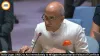
SDF commander Mazloum Abdi announced the decision on Tuesday in a televised address from the presidential palace in Damascus, saying the group’s forces had completed the process of integration into the Syrian army.
The move marks a significant change for the Kurdish-led organisation, which for years operated as a powerful independent force across large parts of northern and northeastern Syria.
SDF Ends Independent Role
Abdi said the SDF was ending its mission as an independent military force following an agreement with the Syrian government.
He said the organisation's forces had completed the process of joining brigades of the Syrian army.
The announcement effectively brings an end to the SDF's independent military structure after more than a decade of involvement in Syria's conflict.
The agreement is also expected to reshape the security arrangements in areas that were previously administered or protected by the Kurdish-led force.
US-Backed Force Since 2015
The SDF was established in 2015, with significant US backing, as Washington sought a reliable local partner in its fight against Islamic State.
Kurdish fighters played a central role in the formation of the organisation, although the SDF also included large numbers of Arab fighters.
The group became one of the most effective forces fighting IS in Syria and worked closely with the US-led coalition.
The SDF eventually helped defeat IS's territorial control in Syria, although the extremist organisation continued to operate through insurgent attacks.
Controlled Oil-Rich Region
At its peak, the SDF had approximately 100,000 fighters and controlled large areas of northern and northeastern Syria.
Its area of influence included parts of Syria's oil-rich northeast, giving the organisation significant strategic and economic importance.
The SDF also operated its own security and administrative structures in areas under its control.
Its relationship with Turkey remained particularly contentious because Ankara regards the dominant Kurdish component of the SDF, the People's Protection Units (YPG), as linked to the Kurdistan Workers' Party (PKK), which Turkey considers a terrorist organisation.
Damascus Seeks One Army
The integration agreement represents a major step towards the Syrian government's goal of consolidating military authority under the state.
The arrangement is built around the principle of one army, one government and one state, according to US special envoy for Syria and Iraq Tom Barrack.
Barrack welcomed the SDF's decision, describing the agreement as an example of former opponents reaching a diplomatic solution to strengthen Syria's sovereignty.
The development could reduce the number of independent armed structures operating inside Syria.
US Position Has Changed
The SDF's dissolution comes after a major shift in US policy towards Syria.
For years, Washington relied heavily on the Kurdish-led force in the campaign against Islamic State.
However, after longtime Syrian President Bashar al-Assad was ousted in late 2024, the United States shifted its engagement towards the new authorities in Damascus.
The change reduced the SDF's position as Washington's principal local military partner in Syria.
The integration agreement now represents a significant adjustment in the relationship between the Kurdish-led force, Damascus and Washington.
Abdi Highlights SDF Role
In his address, Abdi reflected on the role played by the SDF during Syria's long conflict.
He said the organisation's fighters had carried a heavy responsibility during one of the country's most difficult periods.
Abdi credited SDF forces with helping liberate Syrian towns and cities, first from forces loyal to the former Baathist government and later from Islamic State.
The comments appeared intended to recognise the SDF's military contribution while signalling its transition into Syria's state security structure.
Kurdish Future Remains Key
Although the military integration represents a major development, questions remain over the future political and cultural rights of Syria's Kurdish population.
The SDF's former autonomous administration in northeastern Syria had developed its own political and security structures during the years of civil war.
Integrating its institutions into the central state could therefore involve complex negotiations over local governance, security responsibilities and administrative authority.
The success of the agreement will depend partly on how those arrangements are implemented on the ground.
Regional Security Impact
The dissolution of the SDF could have wider implications for Syria and the surrounding region.
A unified Syrian military structure could strengthen Damascus's control over territory and reduce the likelihood of competing armed authorities.
At the same time, Turkey will closely monitor the implementation of the agreement because of its concerns over Kurdish armed groups along its border.
The United States and its allies will also have an interest in ensuring that the fight against Islamic State does not lose momentum during the transition.
What Happens Next
The immediate priority will be the implementation of the SDF integration agreement and the incorporation of its fighters and institutions into Syria's state structures.
The process will likely require further arrangements covering command structures, weapons, local security forces and administration in northeastern Syria.
For Damascus, successful integration would represent an important step towards restoring central state authority.
For the Kurdish-led forces, the transition marks the end of an era in which the SDF operated as a powerful independent military organisation.
The development could ultimately reshape Syria's post-Assad political and security order, but its long-term success will depend on whether the integration process is carried out without renewed conflict.
Note: This report is based on information available on August 26, 2026, including statements by SDF leader Mazloum Abdi and US special envoy Tom Barrack. Details of the integration process and the future administrative arrangements may change as Damascus and Kurdish representatives implement the agreement.
12.jpg)





12.jpg)
