Pakistan Steps Into Diplomatic Spotlight as Sharif Announces US-Iran Peace Breakthrough

Digital Desk

Pakistan Steps Into Diplomatic Spotlight as Sharif Announces US-Iran Peace Breakthrough

Islamabad's role in facilitating talks between Washington and Tehran raises questions about Pakistan's growing influence in regional diplomacy

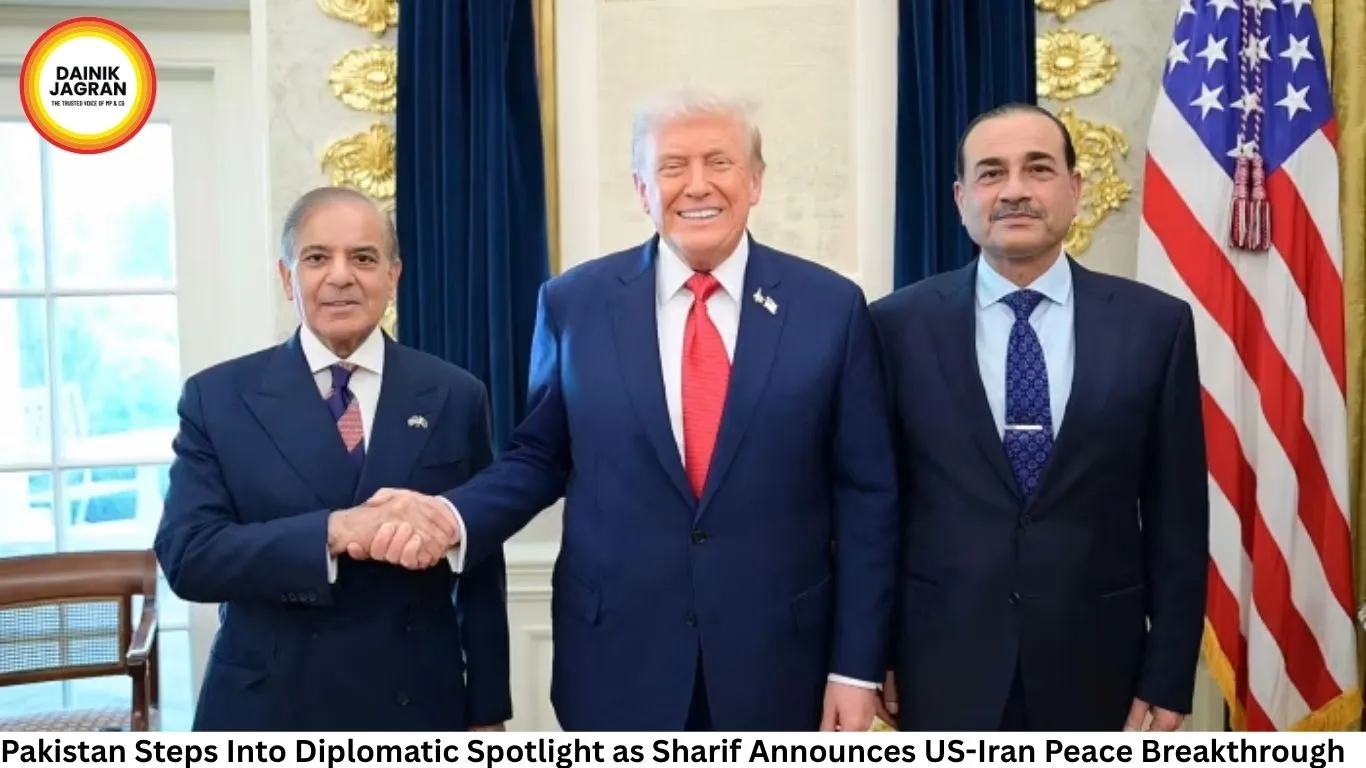
Pakistan has unexpectedly found itself at the center of a major diplomatic development after Prime Minister Shehbaz Sharif publicly announced progress in negotiations between the United States and Iran before any formal declaration from Washington. The move has drawn international attention and fueled debate about whether Islamabad is emerging as a more influential diplomatic player in global affairs.

Sharif announced on June 12 that a final text of a peace agreement between the United States and Iran had been agreed upon and that Pakistan was working closely with both sides to finalize the next steps. Subsequent statements from U.S. and Iranian officials indicated that a framework agreement had indeed been reached, confirming Islamabad's involvement in the mediation effort.

The development is particularly notable because major diplomatic breakthroughs involving Washington are often announced directly by U.S. leaders. In this case, Pakistan's leadership became the first to publicly signal that negotiations had reached a critical stage.

Pakistan's Mediation Role

According to reports, Pakistan has been involved in facilitating communication between Washington and Tehran for several months. The country leveraged its diplomatic relationships across multiple regions, including the United States, Iran, Gulf states, and China, to help maintain dialogue between the two sides.

Reuters reported that Pakistan played a mediating role in helping both countries reach a preliminary agreement aimed at ending hostilities and reopening channels for broader negotiations.

The proposed framework reportedly includes a halt to military operations, reopening of the Strait of Hormuz, and a 60-day period of negotiations on Iran's nuclear program and sanctions-related issues. However, several complex matters remain unresolved and will require further discussions.

A Shift in Regional Diplomacy?

For decades, countries such as Qatar, Oman, and, at times, Turkey have often served as intermediaries in sensitive Middle East negotiations. Pakistan has generally remained on the margins of such diplomatic initiatives despite its strategic location and historical ties with key regional actors.

Analysts suggest that Islamabad's involvement in the U.S.-Iran talks could signal a broader effort to reposition itself as a facilitator of dialogue and conflict resolution. Successfully contributing to a breakthrough between two long-standing adversaries could enhance Pakistan's diplomatic credibility and strengthen its international profile.

The development also highlights Islamabad's ability to maintain working relationships with countries that often find themselves on opposite sides of geopolitical disputes.

Challenges Remain

Despite the positive momentum, experts caution against viewing the agreement as a final settlement. The framework is still subject to additional negotiations, and contentious issues such as Iran's nuclear activities, missile capabilities, sanctions relief, and regional security concerns remain unresolved.

Diplomatic observers note that mediators often receive recognition during the negotiation phase but can also face criticism if agreements later collapse. As a result, Pakistan's long-term diplomatic gains may depend on whether the current framework evolves into a durable and enforceable peace arrangement.

Symbolism Beyond the Agreement

Beyond the substance of the negotiations, the optics of the announcement have attracted attention. The fact that Pakistan's prime minister publicly disclosed the breakthrough before Washington underscored Islamabad's visible role in the process and generated discussion about changing diplomatic dynamics in the region.

For Pakistan, the moment represents an opportunity to showcase its diplomatic capabilities on a global stage. Whether it marks the beginning of a sustained role as a regional mediator or remains an isolated success will depend on future developments.
--------

🚨 Beat the News Rush – Join Now!

Get breaking alerts, hot exclusives, and game-changing stories instantly on your phone. No delays, no fluff – just the edge you need. ⚡

Tap to join: 

🟢 WhatsApp Channel: Dainik Jagran MP CG

Crave more?

🅕 Facebook: Dainik Jagran MP CG English

🅧 Twitter (X): Dainik Jagran MP CG

🅘 Instagram: Dainik Jagran MP CG

Share the fire – keep your crew ahead! 🗞️🔥

english.dainikjagranmpcg.com
17 Jun 2026 By Rishita

Pakistan Steps Into Diplomatic Spotlight as Sharif Announces US-Iran Peace Breakthrough

Digital Desk

Pakistan has unexpectedly found itself at the center of a major diplomatic development after Prime Minister Shehbaz Sharif publicly announced progress in negotiations between the United States and Iran before any formal declaration from Washington. The move has drawn international attention and fueled debate about whether Islamabad is emerging as a more influential diplomatic player in global affairs.

Sharif announced on June 12 that a final text of a peace agreement between the United States and Iran had been agreed upon and that Pakistan was working closely with both sides to finalize the next steps. Subsequent statements from U.S. and Iranian officials indicated that a framework agreement had indeed been reached, confirming Islamabad's involvement in the mediation effort.

The development is particularly notable because major diplomatic breakthroughs involving Washington are often announced directly by U.S. leaders. In this case, Pakistan's leadership became the first to publicly signal that negotiations had reached a critical stage.

Pakistan's Mediation Role

According to reports, Pakistan has been involved in facilitating communication between Washington and Tehran for several months. The country leveraged its diplomatic relationships across multiple regions, including the United States, Iran, Gulf states, and China, to help maintain dialogue between the two sides.

Reuters reported that Pakistan played a mediating role in helping both countries reach a preliminary agreement aimed at ending hostilities and reopening channels for broader negotiations.

The proposed framework reportedly includes a halt to military operations, reopening of the Strait of Hormuz, and a 60-day period of negotiations on Iran's nuclear program and sanctions-related issues. However, several complex matters remain unresolved and will require further discussions.

A Shift in Regional Diplomacy?

For decades, countries such as Qatar, Oman, and, at times, Turkey have often served as intermediaries in sensitive Middle East negotiations. Pakistan has generally remained on the margins of such diplomatic initiatives despite its strategic location and historical ties with key regional actors.

Analysts suggest that Islamabad's involvement in the U.S.-Iran talks could signal a broader effort to reposition itself as a facilitator of dialogue and conflict resolution. Successfully contributing to a breakthrough between two long-standing adversaries could enhance Pakistan's diplomatic credibility and strengthen its international profile.

The development also highlights Islamabad's ability to maintain working relationships with countries that often find themselves on opposite sides of geopolitical disputes.

Challenges Remain

Despite the positive momentum, experts caution against viewing the agreement as a final settlement. The framework is still subject to additional negotiations, and contentious issues such as Iran's nuclear activities, missile capabilities, sanctions relief, and regional security concerns remain unresolved.

Diplomatic observers note that mediators often receive recognition during the negotiation phase but can also face criticism if agreements later collapse. As a result, Pakistan's long-term diplomatic gains may depend on whether the current framework evolves into a durable and enforceable peace arrangement.

Symbolism Beyond the Agreement

Beyond the substance of the negotiations, the optics of the announcement have attracted attention. The fact that Pakistan's prime minister publicly disclosed the breakthrough before Washington underscored Islamabad's visible role in the process and generated discussion about changing diplomatic dynamics in the region.

For Pakistan, the moment represents an opportunity to showcase its diplomatic capabilities on a global stage. Whether it marks the beginning of a sustained role as a regional mediator or remains an isolated success will depend on future developments.
https://english.dainikjagranmpcg.com/international/pakistan-steps-into-diplomatic-spotlight-as-sharif-announces-us-iran-peace/article-20252

Latest News