


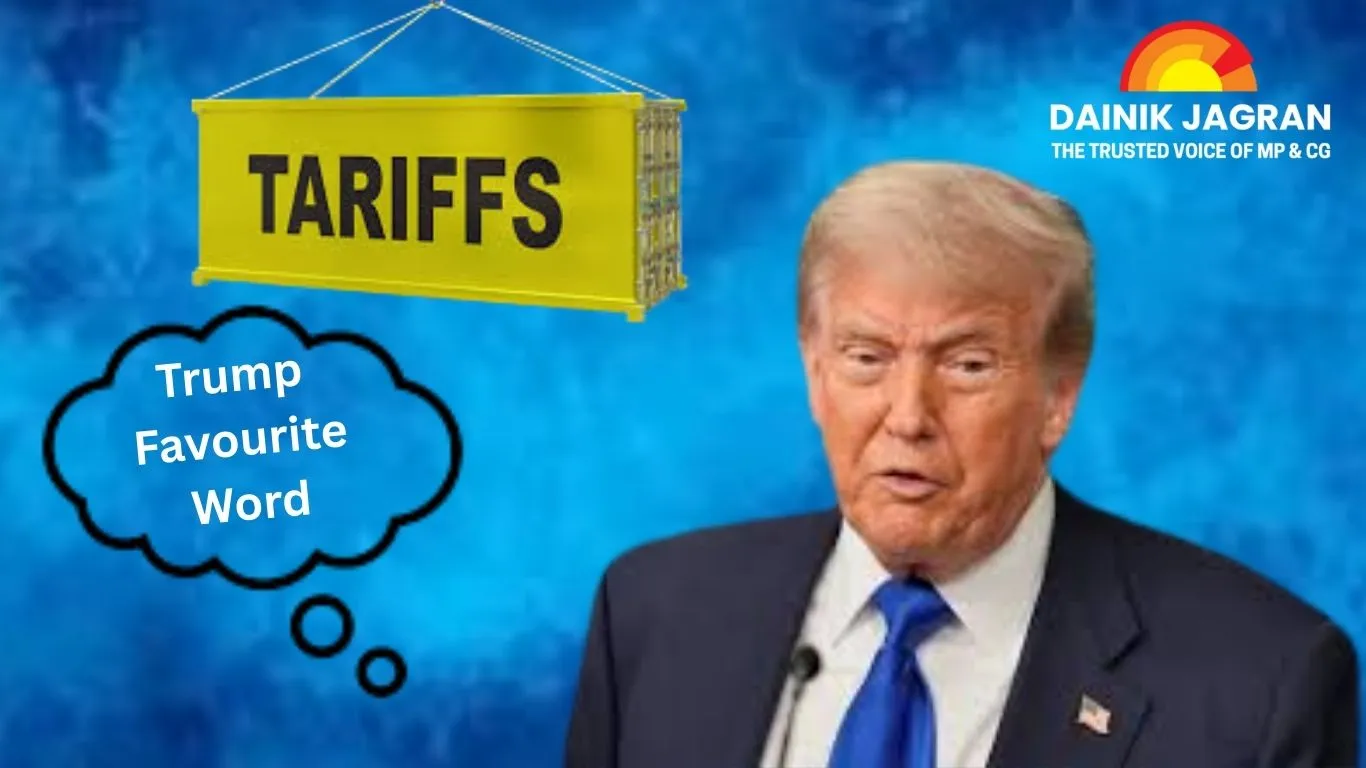
Trump Hails Tariffs as Key to Peace and Prosperity in Year-End Address
Digital Desk
Speaking from the Diplomatic Reception Room, Trump claimed his administration had "settled eight wars in 10 months," including ceasefires in Gaza and other hotspots, while attracting $18 trillion in new investments. "Much of this success has been accomplished by tariffs," he said, arguing the levies—imposed on nations including Canada, Mexico, Brazil, and India—have forced companies to relocate operations stateside and generated unexpected revenue.
The president announced that tariff funds would help deliver a $1,776 "warrior dividend" to 1.45 million service members before Christmas, framing it as a tribute to the nation's founding. He insisted prices for groceries, energy, and goods were falling rapidly under his policies, promising an "economic boom like the world has never seen."
Trump sharply criticized predecessor Joe Biden for leaving behind economic chaos and unchecked immigration, blaming migrants for straining housing, jobs, and public services. He vowed continued mass deportations to prioritize American workers.
Democrats swiftly pushed back. California Gov. Gavin Newsom mocked the speech on social media as endlessly self-referential, while others accused Trump of glossing over persistent inflation and tariff-driven price hikes. Economists note that while some sectors have seen investment gains, consumer costs—particularly for food and imports—have risen amid the trade measures, with many households reporting annual expenses up by thousands.
The address comes as Trump's economic approval ratings lag, with voters citing affordability concerns despite job growth. Looking ahead, the president signaled ongoing trade negotiations, including potential tariff reductions with partners like India, as his administration eyes further tax cuts and domestic priorities in 2026




.jpg)




