Trump Says Cuba Operation Similar to Venezuela Is Possible
Digital Desk
Donald Trump says a Venezuela-style operation in Cuba is possible, sparking debate over US policy as Havana faces a deep economic crisis.
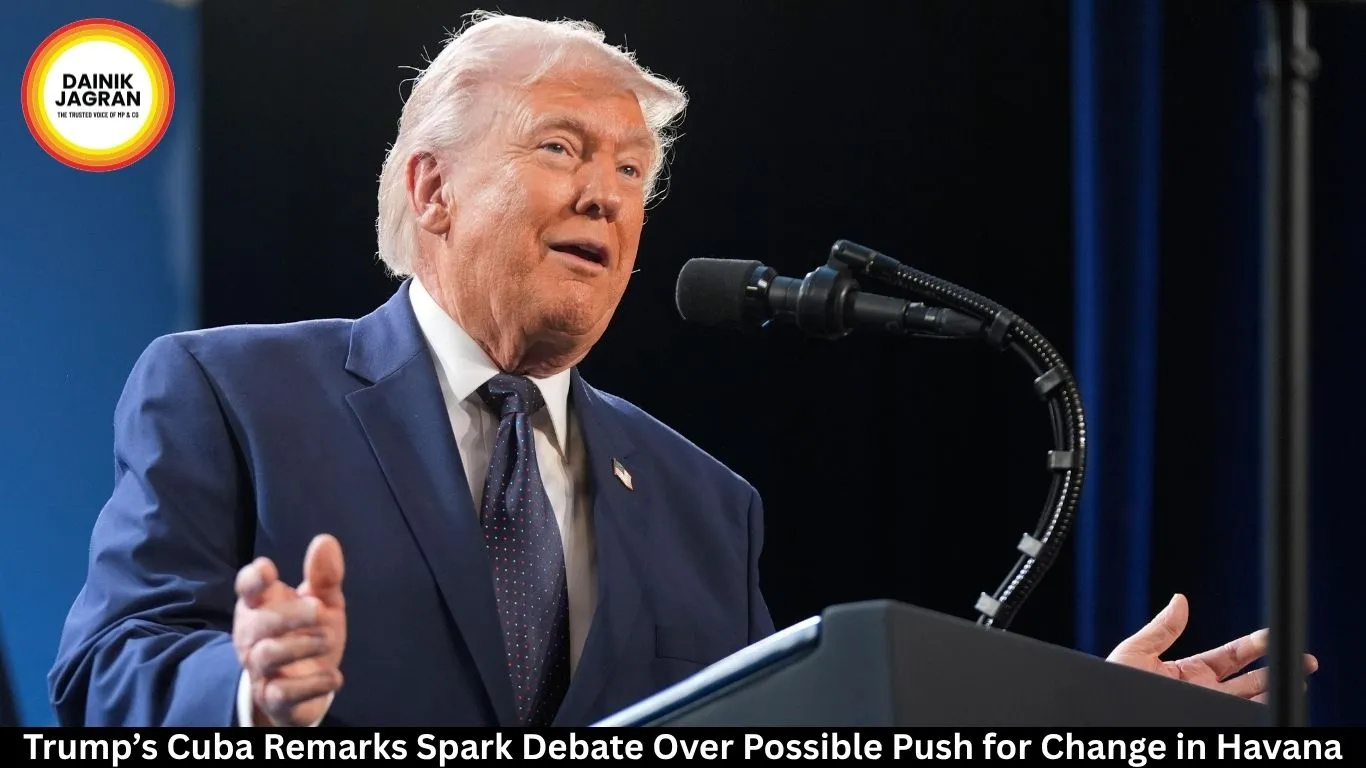
US President Donald Trump said a Cuba operation similar to the Venezuela mission is “possible”, though his administration continues to publicly favour a peaceful transition in Havana.
Fresh remarks by US President Donald Trump have reignited speculation about Washington's long-term strategy towards Cuba after he suggested that a Venezuela-style operation on the island remains a possibility.
In an interview with The Axios Show, Trump was asked whether a potential US operation in Cuba could resemble the mission carried out earlier this year in Venezuela that resulted in the capture of President Nicolás Maduro. Responding to the question, Trump said such a scenario was "possible."
The comments have drawn attention because they come amid increasing pressure by the Trump administration on Havana through sanctions and diplomatic measures, even as officials publicly maintain that they prefer a peaceful political transition.
Cuba Compared To Venezuela
During the interview, Trump contrasted Cuba with other foreign policy challenges, arguing that the island's proximity to the United States would make any operation logistically easier than actions undertaken farther away.
He also described Cuba as possessing "nice property" and a "nice shoreline," while noting that the island sits only about 90 miles from the coast of Florida.
Although Trump did not announce any military plans or timelines, his remarks have fuelled discussion about whether Washington could pursue more aggressive options if conditions inside Cuba deteriorate further.
No Official Intervention Plan
Despite the rhetoric, there is currently no official announcement of a US military intervention in Cuba.
Reports indicate that US officials have conducted contingency planning and scenario exercises in the event of instability or a potential collapse of Cuba's government. However, administration officials have repeatedly stated that sanctions and diplomatic pressure remain their preferred tools.
According to Axios, the administration has developed response plans while continuing to emphasise a peaceful transition rather than direct military action.
Economic Crisis Deepens
The discussion comes as Cuba faces one of its most severe economic crises in decades.
The island has been grappling with fuel shortages, food scarcity, recurring power outages and a shortage of foreign currency. The decline in subsidised oil supplies from Venezuela, coupled with the slow recovery of tourism after the COVID-19 pandemic, has added to the country's difficulties.
These challenges have contributed to increased migration and growing public frustration. In recent years, Cuba witnessed rare large-scale protests as citizens expressed concerns over worsening living conditions.
Long History Of Tensions
Relations between the United States and Cuba have remained strained for more than six decades.
Following the 1959 Cuban Revolution led by Fidel Castro, Havana aligned closely with the Soviet Union, turning the island into a major Cold War flashpoint. The rivalry culminated in the 1962 Cuban Missile Crisis, one of the most dangerous confrontations of the nuclear era.
Since then, successive US administrations have imposed sanctions and maintained varying degrees of political and economic pressure on Cuba.
What Happens Next
Analysts caution that Trump's comments alone do not indicate an imminent operation. While administration officials have acknowledged planning for various contingencies, public policy continues to focus on economic pressure and diplomatic measures.
Nevertheless, the president's remarks have ensured that Cuba remains firmly on Washington's strategic radar. With the island confronting economic hardship and the United States increasing scrutiny of developments in the Caribbean, questions about the future of US-Cuba relations are likely to persist in the months ahead.
--------
🚨 Beat the News Rush – Join Now!
Get breaking alerts, hot exclusives, and game-changing stories instantly on your phone. No delays, no fluff – just the edge you need. ⚡
Tap to join:
🟢 WhatsApp Channel: Dainik Jagran MP CG
Crave more?
🅕 Facebook: Dainik Jagran MP CG English
🅧 Twitter (X): Dainik Jagran MP CG
🅘 Instagram: Dainik Jagran MP CG
Share the fire – keep your crew ahead! 🗞️🔥
Trump Says Cuba Operation Similar to Venezuela Is Possible
Digital Desk
US President Donald Trump said a Cuba operation similar to the Venezuela mission is “possible”, though his administration continues to publicly favour a peaceful transition in Havana.
Fresh remarks by US President Donald Trump have reignited speculation about Washington's long-term strategy towards Cuba after he suggested that a Venezuela-style operation on the island remains a possibility.
In an interview with The Axios Show, Trump was asked whether a potential US operation in Cuba could resemble the mission carried out earlier this year in Venezuela that resulted in the capture of President Nicolás Maduro. Responding to the question, Trump said such a scenario was "possible."
The comments have drawn attention because they come amid increasing pressure by the Trump administration on Havana through sanctions and diplomatic measures, even as officials publicly maintain that they prefer a peaceful political transition.
Cuba Compared To Venezuela
During the interview, Trump contrasted Cuba with other foreign policy challenges, arguing that the island's proximity to the United States would make any operation logistically easier than actions undertaken farther away.
He also described Cuba as possessing "nice property" and a "nice shoreline," while noting that the island sits only about 90 miles from the coast of Florida.
Although Trump did not announce any military plans or timelines, his remarks have fuelled discussion about whether Washington could pursue more aggressive options if conditions inside Cuba deteriorate further.
No Official Intervention Plan
Despite the rhetoric, there is currently no official announcement of a US military intervention in Cuba.
Reports indicate that US officials have conducted contingency planning and scenario exercises in the event of instability or a potential collapse of Cuba's government. However, administration officials have repeatedly stated that sanctions and diplomatic pressure remain their preferred tools.
According to Axios, the administration has developed response plans while continuing to emphasise a peaceful transition rather than direct military action.
Economic Crisis Deepens
The discussion comes as Cuba faces one of its most severe economic crises in decades.
The island has been grappling with fuel shortages, food scarcity, recurring power outages and a shortage of foreign currency. The decline in subsidised oil supplies from Venezuela, coupled with the slow recovery of tourism after the COVID-19 pandemic, has added to the country's difficulties.
These challenges have contributed to increased migration and growing public frustration. In recent years, Cuba witnessed rare large-scale protests as citizens expressed concerns over worsening living conditions.
Long History Of Tensions
Relations between the United States and Cuba have remained strained for more than six decades.
Following the 1959 Cuban Revolution led by Fidel Castro, Havana aligned closely with the Soviet Union, turning the island into a major Cold War flashpoint. The rivalry culminated in the 1962 Cuban Missile Crisis, one of the most dangerous confrontations of the nuclear era.
Since then, successive US administrations have imposed sanctions and maintained varying degrees of political and economic pressure on Cuba.
What Happens Next
Analysts caution that Trump's comments alone do not indicate an imminent operation. While administration officials have acknowledged planning for various contingencies, public policy continues to focus on economic pressure and diplomatic measures.
Nevertheless, the president's remarks have ensured that Cuba remains firmly on Washington's strategic radar. With the island confronting economic hardship and the United States increasing scrutiny of developments in the Caribbean, questions about the future of US-Cuba relations are likely to persist in the months ahead.