UAE Plans to Eliminate Dependence on Strait of Hormuz with New Energy Corridors
Digital Desk
According to UAE officials, the country intends to build alternative export and import routes through expanded eastern ports, additional energy pipelines and new railway connections, ensuring that trade and energy flows remain secure even during periods of geopolitical instability.
The United Arab Emirates (UAE) has unveiled a long-term strategy aimed at ending its dependence on the Strait of Hormuz, a key global shipping route that handles a significant share of the world's oil and gas exports.
The announcement comes at a time when the Strait of Hormuz is expected to reopen following a recent agreement between the United States and Iran. However, concerns over future disruptions and potential transit restrictions have prompted the UAE to accelerate efforts to establish alternative trade and energy corridors.
Speaking about the country's plans, UAE Foreign Trade Minister Thani Al Zeyoudi said the objective is to reduce dependence on the Strait to zero through major investments in infrastructure.
Eastern Ports at the Core
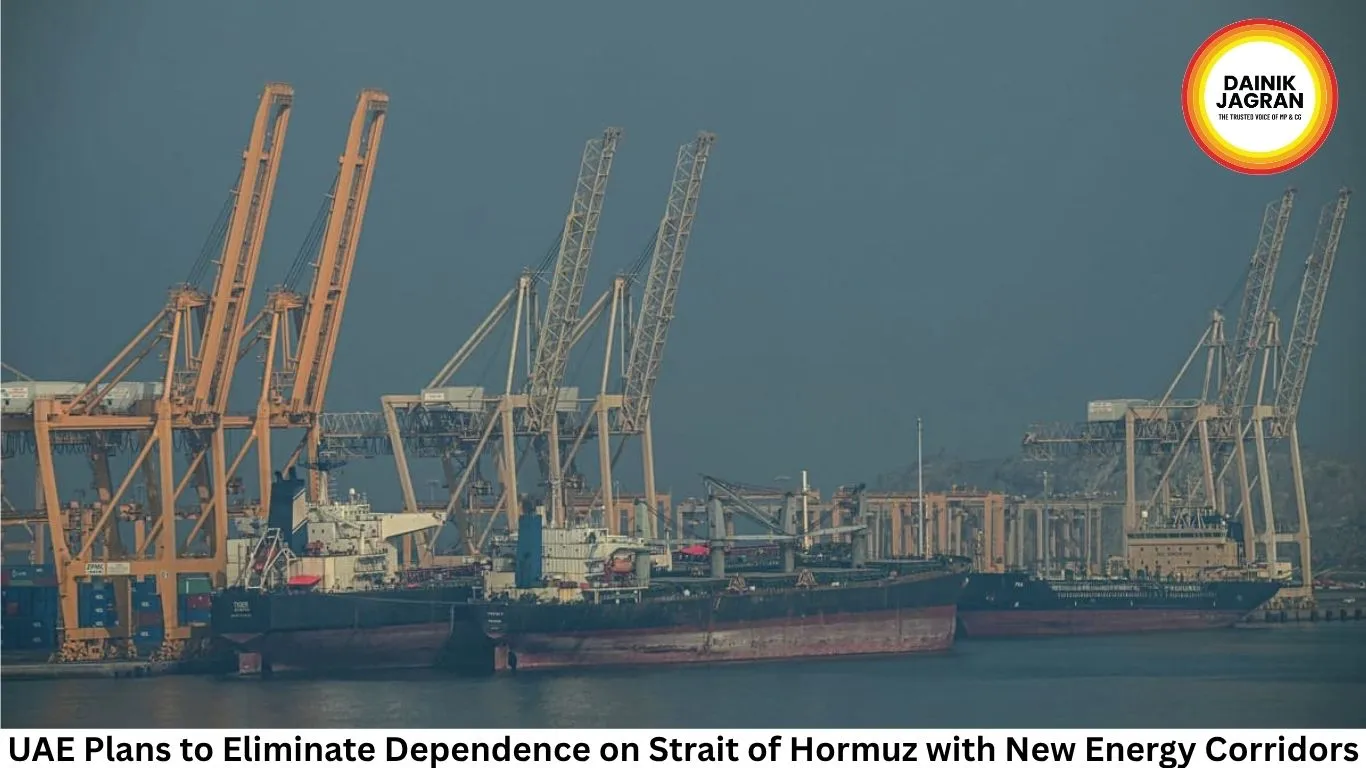
Unlike several Gulf nations whose exports must pass through the Strait of Hormuz, the UAE possesses strategically located ports on its eastern coastline outside the strait. These include Fujairah, Dibba and Khor Fakkan, which continued to facilitate energy exports during periods of regional conflict.
The UAE now plans to significantly expand these facilities and transform them into major hubs for international trade and energy shipments. Officials believe these ports can provide a secure alternative route for exports while reducing exposure to geopolitical risks in the Gulf.
New Pipelines and Rail Links
A key component of the strategy involves the construction of at least two additional oil and gas pipelines connecting production facilities to eastern ports.
The UAE already operates a pipeline that transports crude oil directly to Fujairah, allowing exports to bypass the Strait of Hormuz. The proposed expansion would increase capacity and strengthen the country's energy security.
Authorities are also studying the development of railway infrastructure to support the transportation of energy products and commercial cargo between inland production centers and eastern ports.
Lessons from Regional Conflict
Recent tensions in West Asia highlighted vulnerabilities in regional energy supply chains. Although the UAE managed to maintain exports through its eastern facilities, attacks on infrastructure and growing uncertainty over maritime security accelerated discussions about long-term alternatives.
Officials say the experience exposed logistical gaps and reinforced the need for diversified transport routes. As a result, infrastructure planning has become a strategic priority for the country.
Challenges Remain
Despite progress on the export side, challenges remain for imports. The UAE continues to rely heavily on Jebel Ali Port, one of the world's largest commercial ports located inside the Persian Gulf.
Shifting a substantial portion of import traffic to eastern ports would require major investments and extensive logistical restructuring. Experts note that while the strategy is achievable, it will likely take several years to implement fully.
Strategic Economic Shift
The UAE's plan reflects a broader effort to strengthen economic resilience and safeguard its role as a global trade and energy hub. By expanding alternative transportation corridors and reducing reliance on a single maritime chokepoint, the country aims to protect supply chains, attract investment and maintain stable export operations regardless of future regional developments.
The initiative is expected to play a significant role in shaping the UAE's energy and trade strategy over the coming decade.
--------
๐จ Beat the News Rush โ Join Now!
Get breaking alerts, hot exclusives, and game-changing stories instantly on your phone. No delays, no fluff โ just the edge you need. โก
Tap to join:ย
๐ข WhatsApp Channel: Dainik Jagran MP CG
Crave more?
๐ Facebook: Dainik Jagran MP CG English
๐ ง Twitter (X): Dainik Jagran MP CG
๐ Instagram: Dainik Jagran MP CG
Share the fire โ keep your crew ahead! ๐๏ธ๐ฅ
UAE Plans to Eliminate Dependence on Strait of Hormuz with New Energy Corridors
Digital Desk
The United Arab Emirates (UAE) has unveiled a long-term strategy aimed at ending its dependence on the Strait of Hormuz, a key global shipping route that handles a significant share of the world's oil and gas exports.
The announcement comes at a time when the Strait of Hormuz is expected to reopen following a recent agreement between the United States and Iran. However, concerns over future disruptions and potential transit restrictions have prompted the UAE to accelerate efforts to establish alternative trade and energy corridors.
Speaking about the country's plans, UAE Foreign Trade Minister Thani Al Zeyoudi said the objective is to reduce dependence on the Strait to zero through major investments in infrastructure.
Eastern Ports at the Core
Unlike several Gulf nations whose exports must pass through the Strait of Hormuz, the UAE possesses strategically located ports on its eastern coastline outside the strait. These include Fujairah, Dibba and Khor Fakkan, which continued to facilitate energy exports during periods of regional conflict.
The UAE now plans to significantly expand these facilities and transform them into major hubs for international trade and energy shipments. Officials believe these ports can provide a secure alternative route for exports while reducing exposure to geopolitical risks in the Gulf.
New Pipelines and Rail Links
A key component of the strategy involves the construction of at least two additional oil and gas pipelines connecting production facilities to eastern ports.
The UAE already operates a pipeline that transports crude oil directly to Fujairah, allowing exports to bypass the Strait of Hormuz. The proposed expansion would increase capacity and strengthen the country's energy security.
Authorities are also studying the development of railway infrastructure to support the transportation of energy products and commercial cargo between inland production centers and eastern ports.
Lessons from Regional Conflict
Recent tensions in West Asia highlighted vulnerabilities in regional energy supply chains. Although the UAE managed to maintain exports through its eastern facilities, attacks on infrastructure and growing uncertainty over maritime security accelerated discussions about long-term alternatives.
Officials say the experience exposed logistical gaps and reinforced the need for diversified transport routes. As a result, infrastructure planning has become a strategic priority for the country.
Challenges Remain
Despite progress on the export side, challenges remain for imports. The UAE continues to rely heavily on Jebel Ali Port, one of the world's largest commercial ports located inside the Persian Gulf.
Shifting a substantial portion of import traffic to eastern ports would require major investments and extensive logistical restructuring. Experts note that while the strategy is achievable, it will likely take several years to implement fully.
Strategic Economic Shift
The UAE's plan reflects a broader effort to strengthen economic resilience and safeguard its role as a global trade and energy hub. By expanding alternative transportation corridors and reducing reliance on a single maritime chokepoint, the country aims to protect supply chains, attract investment and maintain stable export operations regardless of future regional developments.
The initiative is expected to play a significant role in shaping the UAE's energy and trade strategy over the coming decade.