World Zoonoses Day 2026: Raising Awareness About Animal-to-Human Diseases

Digital Desk

World Zoonoses Day 2026: Raising Awareness About Animal-to-Human Diseases

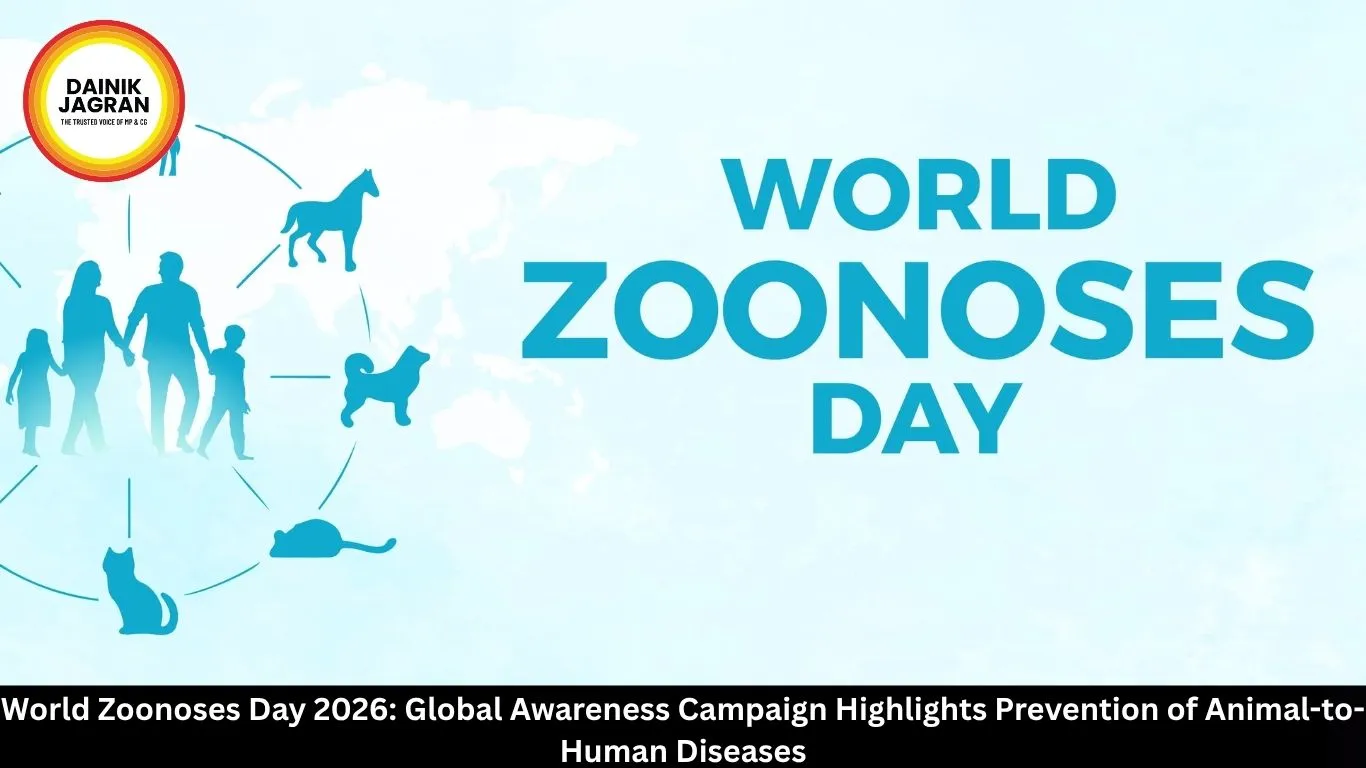
World Zoonoses Day 2026 is being observed globally to spread awareness about diseases transmitted from animals to humans, including rabies and bird flu, while promoting prevention and public health.

World Zoonoses Day is being observed across the globe on Monday to raise awareness about diseases that are transmitted from animals to humans and to promote measures for their prevention and control.

Observed annually on July 6, the day commemorates the historic achievement of French scientist Louis Pasteur, who administered the world's first successful rabies vaccine to a human on July 6, 1885. The breakthrough marked a turning point in the fight against zoonotic diseases and laid the foundation for modern preventive medicine.

Zoonotic diseases, also known as zoonoses, are infectious diseases that can spread between animals and humans through direct contact, contaminated food or water, insect bites, or environmental exposure. Common examples include rabies, bird flu (avian influenza), swine flu, Ebola, Nipah virus, anthrax and certain strains of coronaviruses.

Health experts say increasing interaction between humans, wildlife and domestic animals, coupled with factors such as urbanisation, climate change and global travel, has heightened the risk of zoonotic disease outbreaks. They stress that early detection, disease surveillance, vaccination of animals, food safety measures and public awareness are essential to preventing future epidemics and pandemics.

Governments, public health agencies, veterinary organisations and research institutions are marking the occasion through awareness campaigns, educational programmes, seminars and community outreach initiatives. Many of these activities focus on promoting responsible pet ownership, vaccination of domestic animals, improved livestock management and the adoption of the One Health approach, which recognises the close link between human, animal and environmental health.

The World Health Organization (WHO), along with other international health bodies, continues to encourage countries to strengthen collaboration between the medical, veterinary and environmental sectors to improve preparedness against emerging infectious diseases.

Experts note that a significant proportion of newly emerging infectious diseases worldwide originate in animals, making surveillance and prevention a global public health priority.

As World Zoonoses Day is observed, health authorities are urging individuals to follow proper hygiene practices, ensure pets are vaccinated, avoid contact with sick animals and seek immediate medical attention following animal bites or suspected exposure to infectious diseases.

The annual observance serves as a reminder that coordinated efforts among governments, scientists, veterinarians and communities are essential to reducing the risk of zoonotic diseases and protecting public health worldwide.



--------

🚨 Beat the News Rush – Join Now!

Get breaking alerts, hot exclusives, and game-changing stories instantly on your phone. No delays, no fluff – just the edge you need. ⚑

Tap to join:Β 

🟒 WhatsApp Channel: Dainik Jagran MP CG

Crave more?

πŸ…• Facebook: Dainik Jagran MP CG English

πŸ…§ Twitter (X): Dainik Jagran MP CG

πŸ…˜ Instagram: Dainik Jagran MP CG

Share the fire – keep your crew ahead! πŸ—žοΈπŸ”₯

english.dainikjagranmpcg.com
06 Jul 2026 By Abhishek Joshi

World Zoonoses Day 2026: Raising Awareness About Animal-to-Human Diseases

Digital Desk

World Zoonoses Day is being observed across the globe on Monday to raise awareness about diseases that are transmitted from animals to humans and to promote measures for their prevention and control.

Observed annually on July 6, the day commemorates the historic achievement of French scientist Louis Pasteur, who administered the world's first successful rabies vaccine to a human on July 6, 1885. The breakthrough marked a turning point in the fight against zoonotic diseases and laid the foundation for modern preventive medicine.

Zoonotic diseases, also known as zoonoses, are infectious diseases that can spread between animals and humans through direct contact, contaminated food or water, insect bites, or environmental exposure. Common examples include rabies, bird flu (avian influenza), swine flu, Ebola, Nipah virus, anthrax and certain strains of coronaviruses.

Health experts say increasing interaction between humans, wildlife and domestic animals, coupled with factors such as urbanisation, climate change and global travel, has heightened the risk of zoonotic disease outbreaks. They stress that early detection, disease surveillance, vaccination of animals, food safety measures and public awareness are essential to preventing future epidemics and pandemics.

Governments, public health agencies, veterinary organisations and research institutions are marking the occasion through awareness campaigns, educational programmes, seminars and community outreach initiatives. Many of these activities focus on promoting responsible pet ownership, vaccination of domestic animals, improved livestock management and the adoption of the One Health approach, which recognises the close link between human, animal and environmental health.

The World Health Organization (WHO), along with other international health bodies, continues to encourage countries to strengthen collaboration between the medical, veterinary and environmental sectors to improve preparedness against emerging infectious diseases.

Experts note that a significant proportion of newly emerging infectious diseases worldwide originate in animals, making surveillance and prevention a global public health priority.

As World Zoonoses Day is observed, health authorities are urging individuals to follow proper hygiene practices, ensure pets are vaccinated, avoid contact with sick animals and seek immediate medical attention following animal bites or suspected exposure to infectious diseases.

The annual observance serves as a reminder that coordinated efforts among governments, scientists, veterinarians and communities are essential to reducing the risk of zoonotic diseases and protecting public health worldwide.



https://english.dainikjagranmpcg.com/international/world-zoonoses-day-2026-raising-awareness-about-animal-to-human-diseases/article-21111

Trending News