


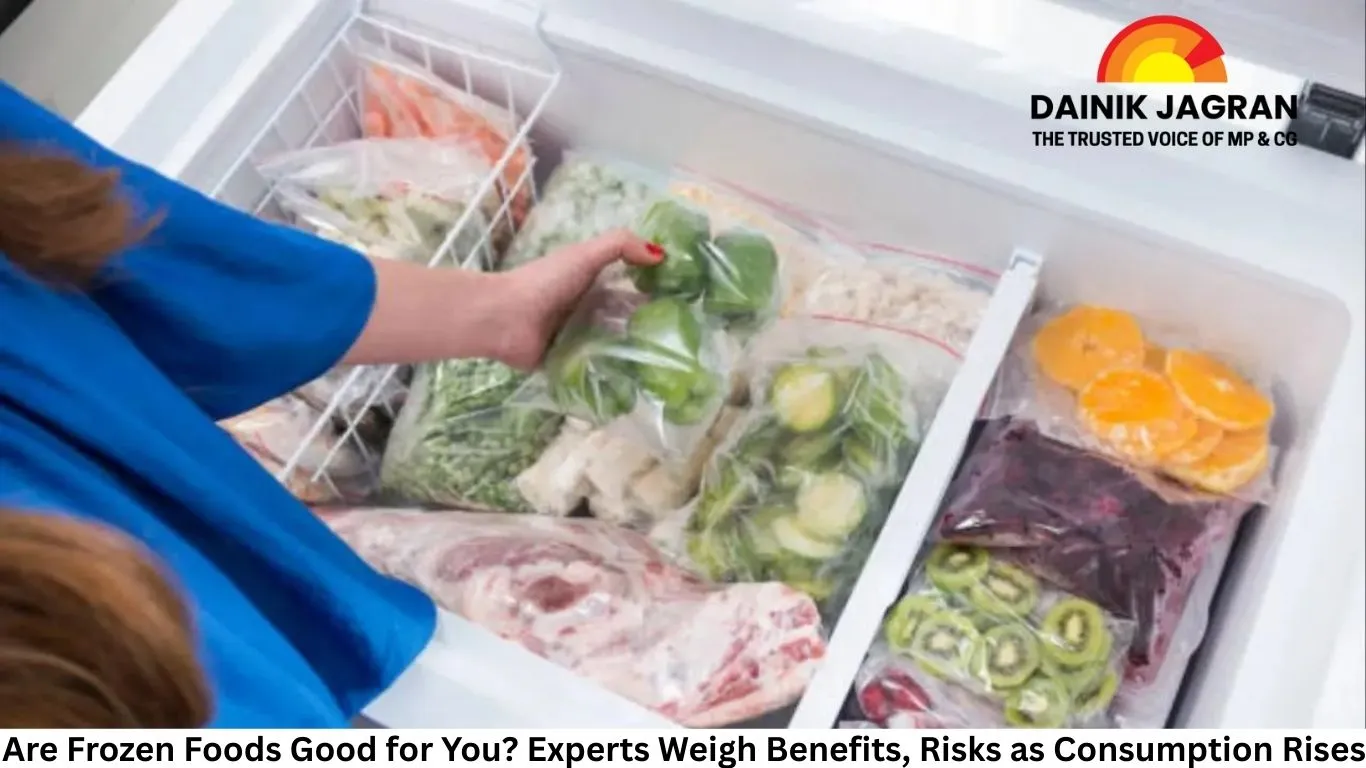
Are Frozen Foods Good for You? Experts Weigh Benefits, Risks as Consumption Rises
Digital Desk
Nutritionists and food scientists broadly agree on one point: frozen food is not inherently unhealthy. Its value depends on what is frozen, how it is processed and how often it replaces fresh, minimally processed options.
Nutritional value largely intact
Contrary to popular belief, freezing does not automatically strip food of nutrients. In many cases, fruits and vegetables are frozen within hours of harvest, locking in vitamins and minerals at peak ripeness. Studies published in food science journals have found that frozen peas, berries and spinach often retain comparable — and sometimes higher — levels of vitamin C and antioxidants than fresh produce that has travelled long distances and sat on shelves for days.
“Freezing slows down nutrient degradation. For consumers without access to fresh seasonal produce, frozen options can be a reliable alternative,” said a Delhi-based clinical nutritionist.
The freezing process halts microbial growth and enzymatic activity, preserving texture and taste without the need for chemical preservatives. Plain frozen vegetables, fruits, fish and lean meats are generally considered nutritionally sound.
The processing problem
Health concerns arise primarily with highly processed frozen foods such as pizzas, fries, snacks and packaged meals. These products often contain high levels of sodium, saturated fats, refined carbohydrates and added sugars to enhance flavour and shelf stability.
Excess sodium intake is linked to hypertension and cardiovascular disease, while diets rich in ultra-processed foods have been associated with obesity and metabolic disorders. According to public health data, many frozen ready meals provide more than half of the recommended daily sodium intake in a single serving.
“Not all frozen foods are equal. There is a big difference between frozen broccoli and a frozen cheese-loaded meal,” said a food policy researcher.
Additives and labels under scrutiny
While freezing itself does not require preservatives, many packaged frozen foods include additives such as stabilisers, emulsifiers and flavour enhancers. Regulatory agencies permit these substances within defined limits, but health experts advise moderation and careful label reading.
Ingredients lists offer critical clues. Short lists with recognisable items usually indicate less processing. Long lists featuring multiple additives often signal lower nutritional quality.
Trans fats, though restricted in many countries, can still appear in trace amounts in some frozen baked goods. Consumers are advised to check nutrition panels rather than rely on “frozen” as a marker of health.
Food safety and storage
Frozen foods are considered safe when stored and handled correctly. Maintaining a consistent freezer temperature of –18°C or lower is essential to prevent spoilage. Once thawed, food should not be refrozen, as this increases the risk of bacterial contamination and texture degradation.
Experts also warn against partial thawing during transport or power outages, which can compromise safety even if food refreezes later.
Economic and environmental dimensions
Frozen foods can reduce household food waste by extending shelf life and allowing portion control. For many urban families, they offer affordability and year-round access to foods that might otherwise be seasonal or expensive.
However, environmental concerns persist. Frozen foods require energy-intensive cold storage and packaging, often involving plastics. Sustainability advocates argue that while frozen foods reduce waste, their carbon footprint can be higher than locally sourced fresh produce.
Role in modern diets
Dieticians increasingly frame frozen foods as a tool rather than a solution. When used strategically — such as keeping frozen vegetables on hand for quick meals — they can support balanced diets. Overreliance on frozen convenience foods, however, may crowd out fresh, whole foods essential for long-term health.
Public health guidelines continue to emphasise dietary patterns rather than individual products. A plate dominated by vegetables, fruits, whole grains and lean proteins remains the benchmark, whether ingredients come fresh or frozen.
The bottom line
Frozen foods are neither a health villain nor a miracle solution. Plain frozen fruits, vegetables and proteins can be nutritious, safe and practical. Highly processed frozen meals, when consumed frequently, pose clear nutritional risks.
As freezer aisles grow, experts stress informed choices. Reading labels, limiting ultra-processed options and balancing frozen foods with fresh ingredients remain key to making freezing work for, not against, health.
.jpg)




