Beyond the Kite: How Makar Sankranti's Traditional Foods Are a Blueprint for Winter Wellness
Digital Desk
Every season in India used to have a taste. Winter meant saag, soups, and sesame-jaggery treats that arrived right on time around Makar Sankranti. That wasn't a coincidence. It was intelligence. According to integrative lifestyle expert Luke Coutinho, food was aligned to the weather and what the body could handle. As we celebrate the harvest festival this week, it's time to look at Sankranti not just as a cultural event, but as a blueprint for seasonal eating .
The Sankranti Sweet Without the Spiral
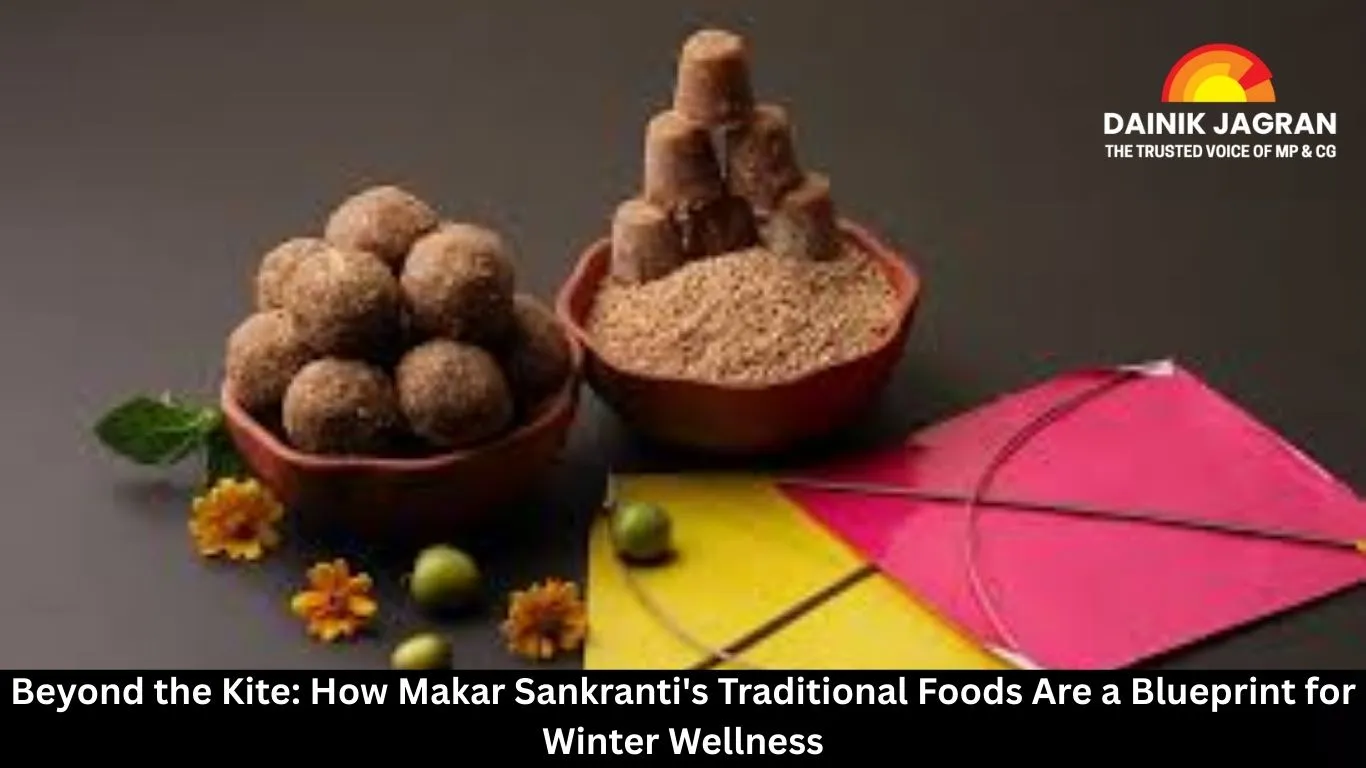
Til-gur, chikki, and gajak are traditional for a reason. Sesame (til) provides warm healthy fats, while jaggery (gur) offers iron. However, the way we eat them matters. A simple guardrail: have it after a wholesome meal, not on an empty stomach. This supports appetite cues and reduces the urge to overindulge. Keep the portion small, and choose homemade versions over ultra-processed sweets .
The Sankranti Plate: Foundations for Winter
Sankranti reminds us that winter food works best when it's warm and grounding. You need a few plates you can come back to on busy days:
1. Comfort Bowl: Khichdi with moong dal, ghee, and seasonal vegetables.
2. Greens Plate: Methi or sarson sabzi with dal and a small portion of roti.
3. Warm Breakfast: Millets like bajra or ragii .
Beyond Food: Winter Sunlight
Sankranti isn't only about the menu; it's about the rhythm. Ten minutes of morning light can lift mood and support circadian rhythm. A 10-minute walk after meals supports digestion. When your nervous system calms down, your digestion stops acting like it's in a crisis .