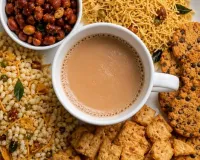
Healthy Monsoon Recipes 2026: 3 Comforting Indian Dishes for Rainy Days
Digital desk
Craving warm food this monsoon? Try these 3 healthy Indian recipes — vegetable dalia, moong dal cheela and poha with sprouts — perfect for rainy days in India.
The first rains of the monsoon season shift cravings from light summer salads to dishes that offer depth, warmth and satisfaction. But bingeing on deep-fried snacks can lead to digestive issues. This August 2026, Indian chefs and nutritionists are reimagining classic comfort foods to be both delicious and nourishing.
With the IMD predicting active spells in several regions, the demand for warming, wholesome meals is high. Here are three easy, healthy recipes perfect for rainy days.
Recipe 1: Vegetable Dalia (Broken Wheat Khichdi)
A comforting bowl of dalia is the ultimate monsoon breakfast or dinner. Rich in fibre and nutrients, it is easy to digest and keeps you full for longer — especially good for students and professionals. Cook broken wheat with mixed vegetables like carrots, peas and beans, along with mild Indian spices. The addition of turmeric gives it anti-inflammatory properties, making it a perfect meal for the season.
Recipe 2: Vegetable Moong Dal Cheela
This protein-rich 'desi' pancake is a fantastic alternative to oily pakoras. Made with soaked moong dal, grated vegetables and mild spices, it is light yet filling. Blend soaked moong dal with ginger, green chilli and cumin into a silky batter. Pour thin on a hot tawa, flip once, then fill with paneer bhurji or sautéed vegetables and roll tight.
"Monsoon calls for dishes that feel warm, comforting and nourishing," says Chef Surajit Sarkar.
Recipe 3: Poha with Peanuts and Sprouts
A classic Maharashtrian favourite, poha becomes even healthier with the addition of sprouts and roasted peanuts. It is light on the stomach, rich in nutrients and incredibly quick to prepare — perfect for busy monsoon mornings. Add a squeeze of lemon and a pinch of turmeric to enhance both flavour and health benefits.
Smart Cooking Tips for the Season
Chefs recommend choosing healthier cooking methods during the monsoon to avoid a heavy stomach. Using an air fryer or oven can reduce oil usage by 70-80 per cent while still delivering a crispy texture. For traditional snacks like vada pav, combine mashed potatoes with boiled chana or green peas for added protein.
Replacing 30-40 per cent of besan with oat, ragi or jowar flour increases fibre content. Adding ajwain, hing and grated lauki or carrots aids digestion while sneaking in extra vegetables.
Upgrade Your Chai
Brew your tea with fresh ginger, tulsi and black pepper. Swap refined sugar for jaggery or a pinch of cinnamon.
Balance Your Plate
Serve fried snacks with mint-coriander chutney or a fresh kachumber salad. The raw vegetables also help support digestion.
This monsoon, indulge in comforting bowls of food that are as nourishing as they are delicious — your body and your taste buds will thank you.

--------
🚨 Beat the News Rush – Join Now!
Get breaking alerts, hot exclusives, and game-changing stories instantly on your phone. No delays, no fluff – just the edge you need. ⚡
Tap to join:
🟢 WhatsApp Channel: Dainik Jagran MP CG
Crave more?
🅕 Facebook: Dainik Jagran MP CG English
🅧 Twitter (X): Dainik Jagran MP CG
🅘 Instagram: Dainik Jagran MP CG
Share the fire – keep your crew ahead! 🗞️🔥
Healthy Monsoon Recipes 2026: 3 Comforting Indian Dishes for Rainy Days
Digital desk
The first rains of the monsoon season shift cravings from light summer salads to dishes that offer depth, warmth and satisfaction. But bingeing on deep-fried snacks can lead to digestive issues. This August 2026, Indian chefs and nutritionists are reimagining classic comfort foods to be both delicious and nourishing.
With the IMD predicting active spells in several regions, the demand for warming, wholesome meals is high. Here are three easy, healthy recipes perfect for rainy days.
Recipe 1: Vegetable Dalia (Broken Wheat Khichdi)
A comforting bowl of dalia is the ultimate monsoon breakfast or dinner. Rich in fibre and nutrients, it is easy to digest and keeps you full for longer — especially good for students and professionals. Cook broken wheat with mixed vegetables like carrots, peas and beans, along with mild Indian spices. The addition of turmeric gives it anti-inflammatory properties, making it a perfect meal for the season.
Recipe 2: Vegetable Moong Dal Cheela
This protein-rich 'desi' pancake is a fantastic alternative to oily pakoras. Made with soaked moong dal, grated vegetables and mild spices, it is light yet filling. Blend soaked moong dal with ginger, green chilli and cumin into a silky batter. Pour thin on a hot tawa, flip once, then fill with paneer bhurji or sautéed vegetables and roll tight.
"Monsoon calls for dishes that feel warm, comforting and nourishing," says Chef Surajit Sarkar.
Recipe 3: Poha with Peanuts and Sprouts
A classic Maharashtrian favourite, poha becomes even healthier with the addition of sprouts and roasted peanuts. It is light on the stomach, rich in nutrients and incredibly quick to prepare — perfect for busy monsoon mornings. Add a squeeze of lemon and a pinch of turmeric to enhance both flavour and health benefits.
Smart Cooking Tips for the Season
Chefs recommend choosing healthier cooking methods during the monsoon to avoid a heavy stomach. Using an air fryer or oven can reduce oil usage by 70-80 per cent while still delivering a crispy texture. For traditional snacks like vada pav, combine mashed potatoes with boiled chana or green peas for added protein.
Replacing 30-40 per cent of besan with oat, ragi or jowar flour increases fibre content. Adding ajwain, hing and grated lauki or carrots aids digestion while sneaking in extra vegetables.
Upgrade Your Chai
Brew your tea with fresh ginger, tulsi and black pepper. Swap refined sugar for jaggery or a pinch of cinnamon.
Balance Your Plate
Serve fried snacks with mint-coriander chutney or a fresh kachumber salad. The raw vegetables also help support digestion.
This monsoon, indulge in comforting bowls of food that are as nourishing as they are delicious — your body and your taste buds will thank you.