


How to Identify Real Black Pepper: Tips to Avoid Adulterated Spices in Your Kitchen
Digital Desk
Black pepper, known for its strong aroma and pungent taste, is widely used in culinary dishes as well as traditional remedies. However, due to its high demand, some suppliers mix the spice with fillers such as starch, flour, or other pepper-like seeds, compromising quality.
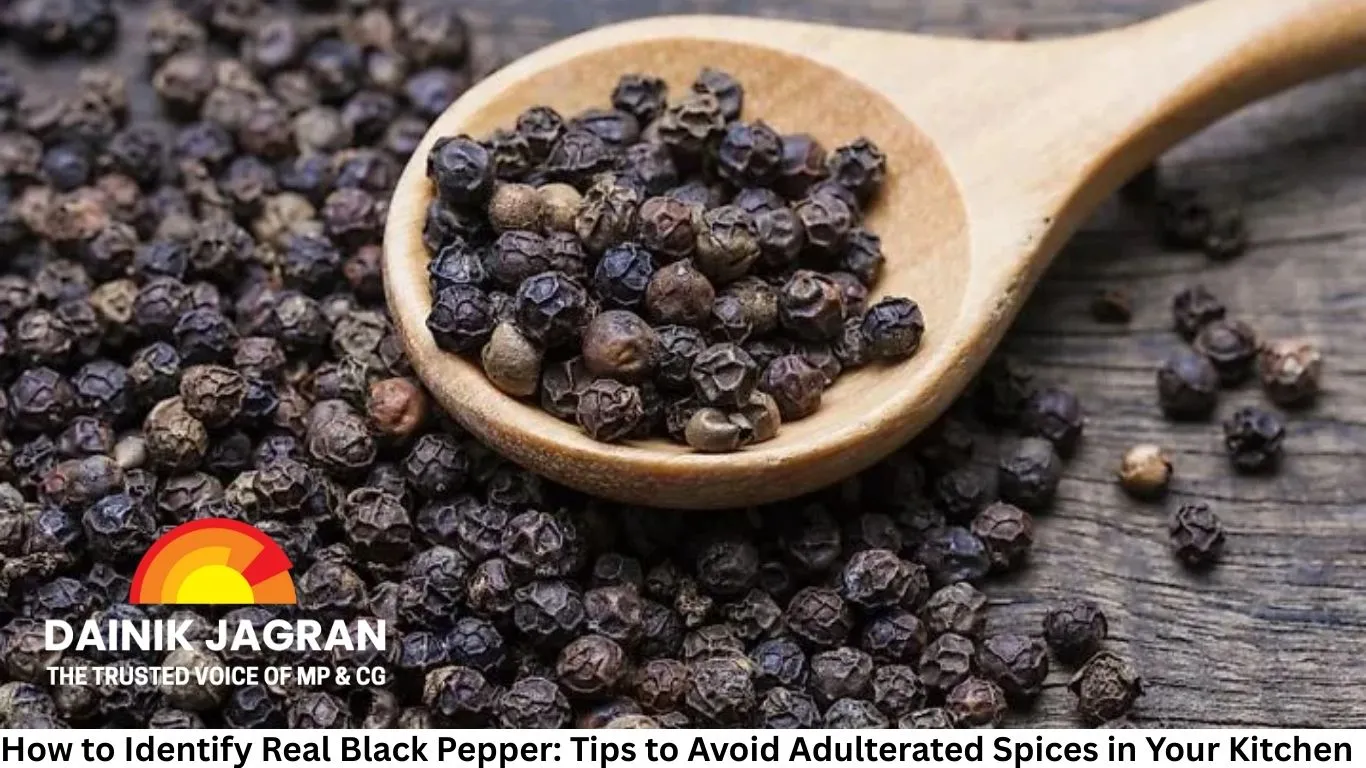
According to food safety specialists, authentic black peppercorns have a uniform dark black color and a rough, wrinkled texture. Genuine peppercorns are also firm to touch and emit a strong, sharp aroma when crushed. Adulterated pepper, in contrast, often appears lighter, smoother, or powdery, and lacks the characteristic fragrance of real pepper.
Home tests can help consumers detect fake pepper. One simple method is to immerse a few peppercorns in water. Real pepper usually sinks, while adulterated grains may float due to lower density or the presence of additives. Another method is rubbing the pepper between fingers—real pepper releases a strong, spicy aroma, whereas adulterated pepper may smell bland or neutral.
Nutritionists emphasize that consuming adulterated spices regularly can affect health, as fillers often contain chemicals or impurities. “Using authentic black pepper ensures maximum health benefits, including better digestion, antioxidant properties, and enhanced immunity,” said Dr. Neha Sharma, a food and nutrition expert.
Consumers are advised to purchase black pepper from trusted sources, check packaging labels carefully, and store it in airtight containers away from moisture to maintain quality. Additionally, grinding peppercorns at home rather than buying pre-ground powder can help preserve flavor and prevent adulteration.
As awareness about food authenticity grows, households are increasingly cautious about the spices they use daily. Experts encourage people to prioritize quality over quantity and be vigilant against adulterated products to ensure both flavor and health benefits in their meals.
.jpg)




