Which Dry Fruit Has the Hottest Nature? Experts Warn Against Excess Consumption in Summer
HEALTH
Dry fruits are widely consumed for their nutritional benefits, but health experts say their “taseer” (natural effect on the body) varies significantly, and some are considered much “hotter” than others. According to nutrition and Ayurveda-based observations, certain dry fruits can increase body heat, making their excessive consumption potentially harmful during the summer season.
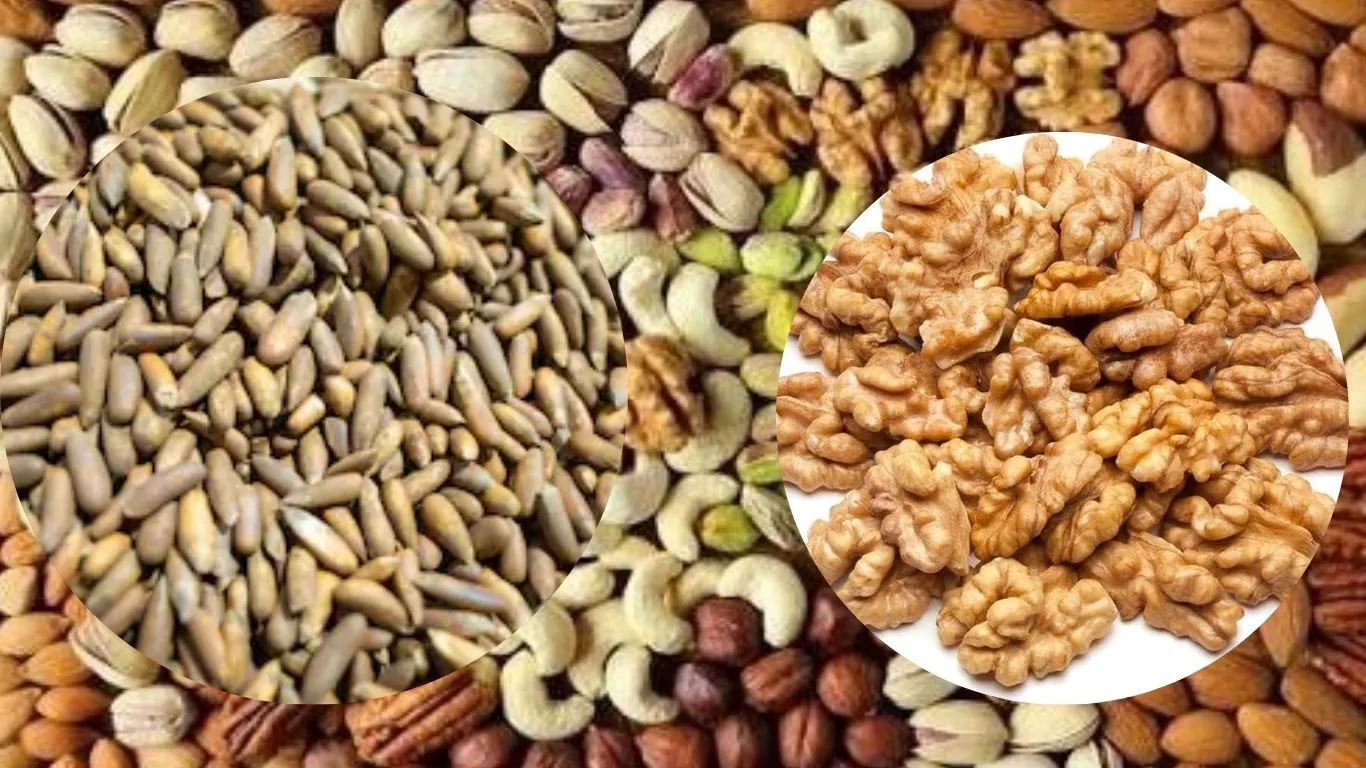
Experts point out that walnuts and pine nuts (chilgoza) are among the dry fruits with the hottest nature. Almonds, when consumed in dry form, are also considered heat-generating for the body. Due to this property, consuming them in large quantities during summer may lead to discomfort, including acidity, dehydration, or internal heat-related issues.
Health specialists recommend that dry fruits should be consumed in moderation during hot weather and ideally after soaking them in water overnight. Soaked almonds and walnuts are believed to be easier to digest and may reduce their heat-producing effect on the body. This traditional practice is commonly followed to balance nutrition intake with seasonal needs.
According to Ayurvedic perspectives, excessive intake of heat-producing foods like walnuts or chilgoza in summer may aggravate “pitta dosha,” which is associated with body heat imbalance. This condition can sometimes lead to symptoms such as mouth ulcers, digestive discomfort, or in severe cases, nosebleeds and skin irritation.
Nutrition experts also advise that not all dry fruits should be avoided during summer. Raisins, figs, almonds (soaked), cashews, and pistachios can be consumed in controlled quantities as they provide essential nutrients such as healthy fats, protein, vitamins, and minerals. These help maintain energy levels and overall body strength.
However, moderation remains key. Experts caution that overconsumption of dry fruits, especially in hot weather, can strain digestion and increase internal heat. This may lead to symptoms like acidity, bloating, or skin-related issues in sensitive individuals.
Health professionals suggest that dry fruits should be part of a balanced diet and consumed according to seasonal suitability. Soaking them overnight and eating them in the morning is considered the safest and most beneficial method, ensuring better absorption of nutrients while minimizing potential side effects.
As summer temperatures rise, experts continue to emphasize mindful eating habits, especially when it comes to energy-dense foods like dry fruits, to maintain overall health and avoid heat-related discomfort.
--------
🚨 Beat the News Rush – Join Now!
Get breaking alerts, hot exclusives, and game-changing stories instantly on your phone. No delays, no fluff – just the edge you need. ⚡
Tap to join:
🟢 WhatsApp Channel: Dainik Jagran MP CG
Crave more?
🅕 Facebook: Dainik Jagran MP CG English
🅧 Twitter (X): Dainik Jagran MP CG
🅘 Instagram: Dainik Jagran MP CG
Share the fire – keep your crew ahead! 🗞️🔥
Which Dry Fruit Has the Hottest Nature? Experts Warn Against Excess Consumption in Summer
HEALTH
Experts point out that walnuts and pine nuts (chilgoza) are among the dry fruits with the hottest nature. Almonds, when consumed in dry form, are also considered heat-generating for the body. Due to this property, consuming them in large quantities during summer may lead to discomfort, including acidity, dehydration, or internal heat-related issues.
Health specialists recommend that dry fruits should be consumed in moderation during hot weather and ideally after soaking them in water overnight. Soaked almonds and walnuts are believed to be easier to digest and may reduce their heat-producing effect on the body. This traditional practice is commonly followed to balance nutrition intake with seasonal needs.
According to Ayurvedic perspectives, excessive intake of heat-producing foods like walnuts or chilgoza in summer may aggravate “pitta dosha,” which is associated with body heat imbalance. This condition can sometimes lead to symptoms such as mouth ulcers, digestive discomfort, or in severe cases, nosebleeds and skin irritation.
Nutrition experts also advise that not all dry fruits should be avoided during summer. Raisins, figs, almonds (soaked), cashews, and pistachios can be consumed in controlled quantities as they provide essential nutrients such as healthy fats, protein, vitamins, and minerals. These help maintain energy levels and overall body strength.
However, moderation remains key. Experts caution that overconsumption of dry fruits, especially in hot weather, can strain digestion and increase internal heat. This may lead to symptoms like acidity, bloating, or skin-related issues in sensitive individuals.
Health professionals suggest that dry fruits should be part of a balanced diet and consumed according to seasonal suitability. Soaking them overnight and eating them in the morning is considered the safest and most beneficial method, ensuring better absorption of nutrients while minimizing potential side effects.
As summer temperatures rise, experts continue to emphasize mindful eating habits, especially when it comes to energy-dense foods like dry fruits, to maintain overall health and avoid heat-related discomfort.