

Specialists highlighted how toxic vehicle and aircraft emissions have accelerated cardiovascular problems over the past decade, often overshadowed by obesity concerns.
Pulmonologist Manish Gautam, formerly on India's COVID advisory panel and now at Liverpool's NHS, stressed that existing measures fall short. "Millions in northern India are already impacted," he said. "Current treatments address only a fraction of the issue."
Cardiologist Rajay Narayan from London's St George’s University Hospital cited robust evidence tying pollution to heart, lung, neurological, and other conditions. He cautioned that ignoring early signs—headaches, fatigue, coughs, throat irritation, or skin rashes—risks escalating health and economic costs.
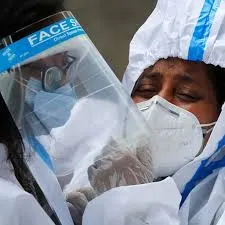
Professor Derek Connolly in Birmingham explained invisible PM2.5 particles silently heighten heart risks, even on seemingly clear days. "It's a gradual process that can suddenly turn critical," he noted.
A 2025 Lancet report attributes 1.7 million Indian deaths in 2022 to PM2.5, including 269,000 from road transport petrol. Globally, stricter vehicle emission rules could avert 1.9 million deaths by 2040.
Union Transport Minister Nitin Gadkari recently admitted transport contributes 40% of Delhi's pollution, pushing for biofuels. Yet the government maintains no direct data links pollution solely to lung diseases, though it acknowledges respiratory triggers.
With over 200,000 acute respiratory cases in Delhi in three years, experts urge bolder policy shifts to avert a looming healthcare collapse.

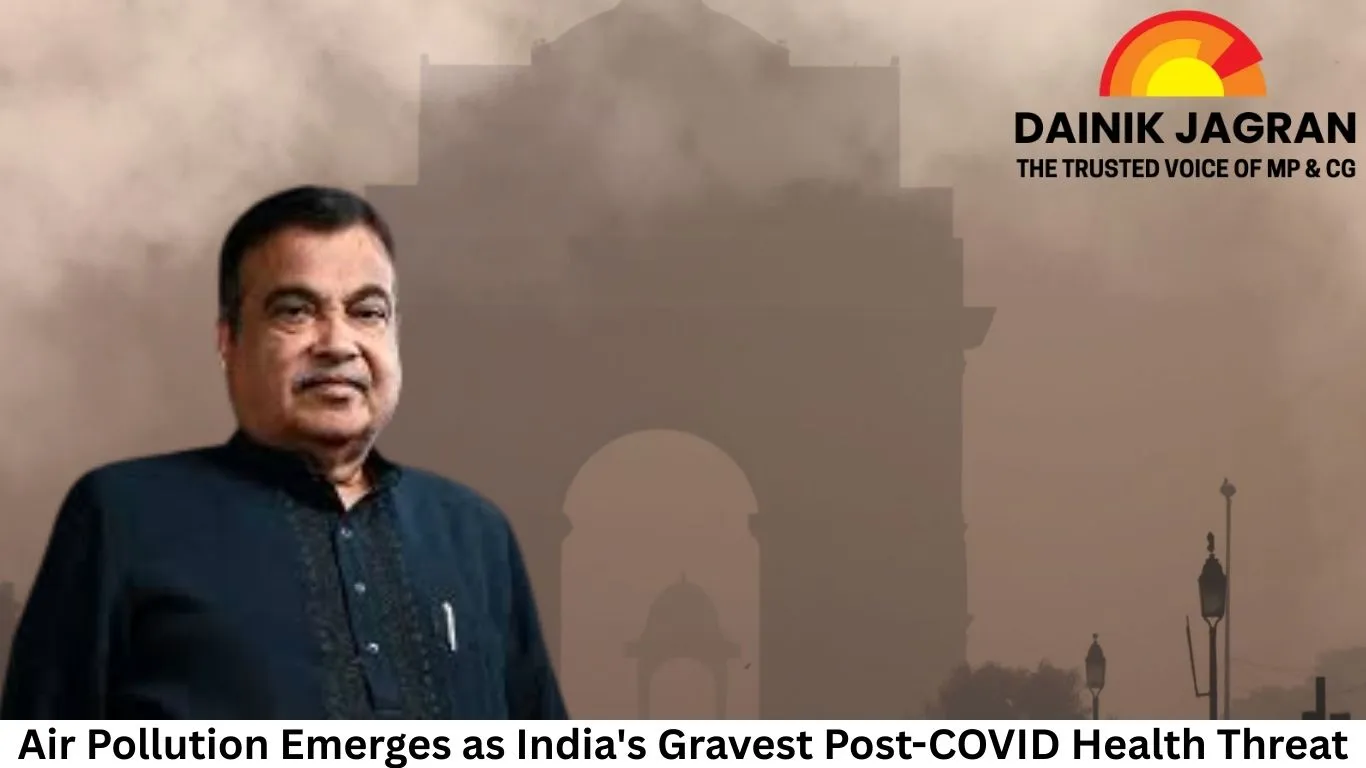
Air Pollution Emerges as India's Gravest Post-COVID Health Threat, Doctors Warn
Digital Desk
Specialists highlighted how toxic vehicle and aircraft emissions have accelerated cardiovascular problems over the past decade, often overshadowed by obesity concerns.
Pulmonologist Manish Gautam, formerly on India's COVID advisory panel and now at Liverpool's NHS, stressed that existing measures fall short. "Millions in northern India are already impacted," he said. "Current treatments address only a fraction of the issue."
Cardiologist Rajay Narayan from London's St George’s University Hospital cited robust evidence tying pollution to heart, lung, neurological, and other conditions. He cautioned that ignoring early signs—headaches, fatigue, coughs, throat irritation, or skin rashes—risks escalating health and economic costs.
Professor Derek Connolly in Birmingham explained invisible PM2.5 particles silently heighten heart risks, even on seemingly clear days. "It's a gradual process that can suddenly turn critical," he noted.
A 2025 Lancet report attributes 1.7 million Indian deaths in 2022 to PM2.5, including 269,000 from road transport petrol. Globally, stricter vehicle emission rules could avert 1.9 million deaths by 2040.
Union Transport Minister Nitin Gadkari recently admitted transport contributes 40% of Delhi's pollution, pushing for biofuels. Yet the government maintains no direct data links pollution solely to lung diseases, though it acknowledges respiratory triggers.
With over 200,000 acute respiratory cases in Delhi in three years, experts urge bolder policy shifts to avert a looming healthcare collapse.



.jpg)




