From Jantar Mantar to Ranchi: The Uneven Politics of Exam Justice

Digital Desk

From Jantar Mantar to Ranchi: The Uneven Politics of Exam Justice

Student movements often transcend politics. They are driven by a simple expectation: that every candidate, regardless of where they come from or which government is in power, deserves a fair opportunity to compete.

When examination systems fail, young people expect institutions, political parties and civil society alike to stand with them. That expectation, however, is increasingly giving way to a more uncomfortable question: does outrage over examination scandals depend on who governs the state?

The ongoing protests in Jharkhand have brought that question into sharp focus.

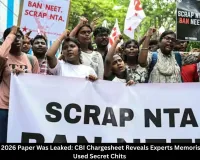
For weeks, thousands of aspirants have continued their demonstrations in Ranchi, alleging that repeated recruitment irregularities have destroyed years of preparation and jeopardised their future. Their grievances are not confined to a single examination. Instead, they point to what they describe as a recurring pattern of paper leaks, answer sheet irregularities, disputed evaluation processes and delayed investigations spanning several recruitment examinations conducted by the Jharkhand Public Service Commission (JPSC) and the Jharkhand Staff Selection Commission (JSSC).

Also Read... Hariyali Teej 2026: Date, Tithi, Puja Timings, Vrat and Significance

For many candidates, this is no longer simply a recruitment dispute. It has become a crisis of confidence in the state’s public recruitment system.

Also Read... Shreya Ghoshal to Sing Vaaroon Forever for Mirzapur: The Movie

A Movement Looking for National Attention

Also Read... Awarapan 2 Movie Review: Emraan Hashmi’s Shivam Returns, but Nostalgia Cannot Hide a Weak Second Half

What has surprised many protesters is not merely the recruitment controversies themselves, but what they perceive as the limited national attention the issue has received.

During the nationwide debate surrounding the NEET examination, several student organisations, activist groups and opposition leaders organised protests, addressed press conferences and demanded accountability from the Union Government. Demonstrations reached Jantar Mantar, delegations met senior Union Ministers and the issue dominated national political discourse for weeks.

In contrast, many aspirants in Jharkhand argue that their own movement has struggled to receive similar visibility despite sustained protests and continuing investigations into alleged recruitment irregularities.

Among those facing criticism from sections of the protesting students is the Cockroach Janta Party (CJP). Protesters point out that while the organisation actively mobilised around the NEET controversy including public demonstrations in Delhi they believe its engagement with Jharkhand has largely remained confined to social media commentary rather than sustained participation on the ground.

Similar questions have also been raised regarding other individuals associated with the movement who had previously represented students in discussions with the Union Government. Protesters argue that although these leaders had actively articulated demands during the NEET controversy, they have not initiated comparable public campaigns or sought formal engagement with the Jharkhand government over the ongoing recruitment issues.

The Politics of Consistency

The debate extends beyond activist groups.

Several opposition parties that strongly criticised the Centre over national examination controversies are now facing questions from sections of protesting aspirants regarding their response to recruitment controversies in states governed by their own political alliances.

Student protesters argue that accountability should not vary depending on whether an examination is conducted by the Union Government or a state government. They contend that if demands for transparency, independent investigations and institutional reform are legitimate in one case, they should remain equally valid elsewhere.

This perceived inconsistency has become one of the defining themes of the Jharkhand protests.

Demanding an Independent Investigation

One of the central demands emerging from the protests concerns the nature of the investigation itself.

Many aspirants have publicly expressed little confidence in the ongoing state level inquiries, describing them as insufficient to address the scale of the allegations. Instead, they have demanded that the investigation be transferred to the Central Bureau of Investigation (CBI) and the Enforcement Directorate (ED), arguing that an independent inquiry would command greater public confidence.

Their scepticism is shaped partly by previous recruitment controversies in the state, where, according to protesters, meaningful progress occurred only after intervention by the Jharkhand High Court. That experience has strengthened calls for an investigation perceived to be institutionally independent.

A Problem Years in the Making

The current agitation is rooted in grievances that extend well beyond recent events.

Candidates allege that recruitment examinations conducted over several years have repeatedly been affected by paper leaks, answer sheet manipulation, disputed OMR evaluations and irregularities in answer keys. Among the issues repeatedly highlighted by protesters are allegations that some candidates received qualifying marks despite leaving a substantial number of questions unanswered, prompting demands for introducing a standardised “Not Attempted” option on OMR sheets to reduce the possibility of post-examination manipulation.

Questions have also been raised about the continued engagement of private agencies and vendors that had previously faced criticism in connection with examination processes. Protesters argue that recruitment agencies must adopt far more rigorous standards while selecting organisations entrusted with confidential examination responsibilities.

The Human Cost

Behind every allegation lies the story of an individual candidate.

Many of the aspirants participating in the protests come from rural, agrarian and economically weaker families across districts such as Giridih, Palamu and Latehar. For these families, preparing for competitive examinations often involves years of financial sacrifice, borrowed resources and deferred aspirations.

Each cancelled examination, every delayed recruitment process and every allegation of irregularity represents more than an administrative setback. It means another year of uncertainty for candidates already facing age limits, financial constraints and shrinking employment opportunities.

This human cost often receives far less attention than the political debate surrounding examination scandals.

Accountability Cannot Be Selective

The protests have also raised broader questions regarding political responsibility.

The Jharkhand government came to office promising greater opportunities for young people and transparent governance. Protesters argue that repeated recruitment controversies sit uneasily alongside those commitments. At the same time, they point out that despite investigations, reported irregularities and arrests in connection with examination rackets, no senior minister or examination authority has publicly accepted responsibility or resigned.

Whether those demands ultimately result in political action remains uncertain. What is already clear, however, is that public confidence cannot be restored through investigations alone. It also requires visible accountability.

Beyond Politics

Ultimately, the Jharkhand recruitment controversy is about far more than one examination or one government.

It raises a larger democratic principle. Student rights cannot become contingent upon political convenience. Public outrage against examination irregularities cannot depend on whether the government concerned sits in Delhi or in a state capital. The credibility of recruitment systems deserves equal protection everywhere.

For thousands of young aspirants continuing their protests in Ranchi, the demand is remarkably simple. They are not asking for special treatment. They are asking for what every competitive examination promises but too often fails to guarantee a fair chance, an impartial system and equal accountability, irrespective of who holds power.




Tags:
english.dainikjagranmpcg.com
06 Aug 2026 By Danik Jagran English

From Jantar Mantar to Ranchi: The Uneven Politics of Exam Justice

Digital Desk

When examination systems fail, young people expect institutions, political parties and civil society alike to stand with them. That expectation, however, is increasingly giving way to a more uncomfortable question: does outrage over examination scandals depend on who governs the state?

The ongoing protests in Jharkhand have brought that question into sharp focus.

For weeks, thousands of aspirants have continued their demonstrations in Ranchi, alleging that repeated recruitment irregularities have destroyed years of preparation and jeopardised their future. Their grievances are not confined to a single examination. Instead, they point to what they describe as a recurring pattern of paper leaks, answer sheet irregularities, disputed evaluation processes and delayed investigations spanning several recruitment examinations conducted by the Jharkhand Public Service Commission (JPSC) and the Jharkhand Staff Selection Commission (JSSC).

For many candidates, this is no longer simply a recruitment dispute. It has become a crisis of confidence in the state’s public recruitment system.

A Movement Looking for National Attention

What has surprised many protesters is not merely the recruitment controversies themselves, but what they perceive as the limited national attention the issue has received.

During the nationwide debate surrounding the NEET examination, several student organisations, activist groups and opposition leaders organised protests, addressed press conferences and demanded accountability from the Union Government. Demonstrations reached Jantar Mantar, delegations met senior Union Ministers and the issue dominated national political discourse for weeks.

In contrast, many aspirants in Jharkhand argue that their own movement has struggled to receive similar visibility despite sustained protests and continuing investigations into alleged recruitment irregularities.

Among those facing criticism from sections of the protesting students is the Cockroach Janta Party (CJP). Protesters point out that while the organisation actively mobilised around the NEET controversy including public demonstrations in Delhi they believe its engagement with Jharkhand has largely remained confined to social media commentary rather than sustained participation on the ground.

Similar questions have also been raised regarding other individuals associated with the movement who had previously represented students in discussions with the Union Government. Protesters argue that although these leaders had actively articulated demands during the NEET controversy, they have not initiated comparable public campaigns or sought formal engagement with the Jharkhand government over the ongoing recruitment issues.

The Politics of Consistency

The debate extends beyond activist groups.

Several opposition parties that strongly criticised the Centre over national examination controversies are now facing questions from sections of protesting aspirants regarding their response to recruitment controversies in states governed by their own political alliances.

Student protesters argue that accountability should not vary depending on whether an examination is conducted by the Union Government or a state government. They contend that if demands for transparency, independent investigations and institutional reform are legitimate in one case, they should remain equally valid elsewhere.

This perceived inconsistency has become one of the defining themes of the Jharkhand protests.

Demanding an Independent Investigation

One of the central demands emerging from the protests concerns the nature of the investigation itself.

Many aspirants have publicly expressed little confidence in the ongoing state level inquiries, describing them as insufficient to address the scale of the allegations. Instead, they have demanded that the investigation be transferred to the Central Bureau of Investigation (CBI) and the Enforcement Directorate (ED), arguing that an independent inquiry would command greater public confidence.

Their scepticism is shaped partly by previous recruitment controversies in the state, where, according to protesters, meaningful progress occurred only after intervention by the Jharkhand High Court. That experience has strengthened calls for an investigation perceived to be institutionally independent.

A Problem Years in the Making

The current agitation is rooted in grievances that extend well beyond recent events.

Candidates allege that recruitment examinations conducted over several years have repeatedly been affected by paper leaks, answer sheet manipulation, disputed OMR evaluations and irregularities in answer keys. Among the issues repeatedly highlighted by protesters are allegations that some candidates received qualifying marks despite leaving a substantial number of questions unanswered, prompting demands for introducing a standardised “Not Attempted” option on OMR sheets to reduce the possibility of post-examination manipulation.

Questions have also been raised about the continued engagement of private agencies and vendors that had previously faced criticism in connection with examination processes. Protesters argue that recruitment agencies must adopt far more rigorous standards while selecting organisations entrusted with confidential examination responsibilities.

The Human Cost

Behind every allegation lies the story of an individual candidate.

Many of the aspirants participating in the protests come from rural, agrarian and economically weaker families across districts such as Giridih, Palamu and Latehar. For these families, preparing for competitive examinations often involves years of financial sacrifice, borrowed resources and deferred aspirations.

Each cancelled examination, every delayed recruitment process and every allegation of irregularity represents more than an administrative setback. It means another year of uncertainty for candidates already facing age limits, financial constraints and shrinking employment opportunities.

This human cost often receives far less attention than the political debate surrounding examination scandals.

Accountability Cannot Be Selective

The protests have also raised broader questions regarding political responsibility.

The Jharkhand government came to office promising greater opportunities for young people and transparent governance. Protesters argue that repeated recruitment controversies sit uneasily alongside those commitments. At the same time, they point out that despite investigations, reported irregularities and arrests in connection with examination rackets, no senior minister or examination authority has publicly accepted responsibility or resigned.

Whether those demands ultimately result in political action remains uncertain. What is already clear, however, is that public confidence cannot be restored through investigations alone. It also requires visible accountability.

Beyond Politics

Ultimately, the Jharkhand recruitment controversy is about far more than one examination or one government.

It raises a larger democratic principle. Student rights cannot become contingent upon political convenience. Public outrage against examination irregularities cannot depend on whether the government concerned sits in Delhi or in a state capital. The credibility of recruitment systems deserves equal protection everywhere.

For thousands of young aspirants continuing their protests in Ranchi, the demand is remarkably simple. They are not asking for special treatment. They are asking for what every competitive examination promises but too often fails to guarantee a fair chance, an impartial system and equal accountability, irrespective of who holds power.



https://english.dainikjagranmpcg.com/national/from-jantar-mantar-to-ranchi-the-uneven-politics-of-exam/article-24995

--------

🚨 Beat the News Rush – Join Now!

Get breaking alerts, hot exclusives, and game-changing stories instantly on your phone. No delays, no fluff – just the edge you need. ⚡

Tap to join: 

🟢 WhatsApp Channel: Dainik Jagran MP CG

Crave more?

🅕 Facebook: Dainik Jagran MP CG English

🅧 Twitter (X): Dainik Jagran MP CG

🅘 Instagram: Dainik Jagran MP CG

Share the fire – keep your crew ahead! 🗞️🔥

Trending News