The rebuttal was unveiled at a press conference held at the Press Club of India, jointly organised by ICRF, Law Valley Solicitor and S Shakir (FRSA). Senior leaders of Bangladesh’s ruling Awami League addressed the media, contesting the findings and conclusions of the OHCHR report.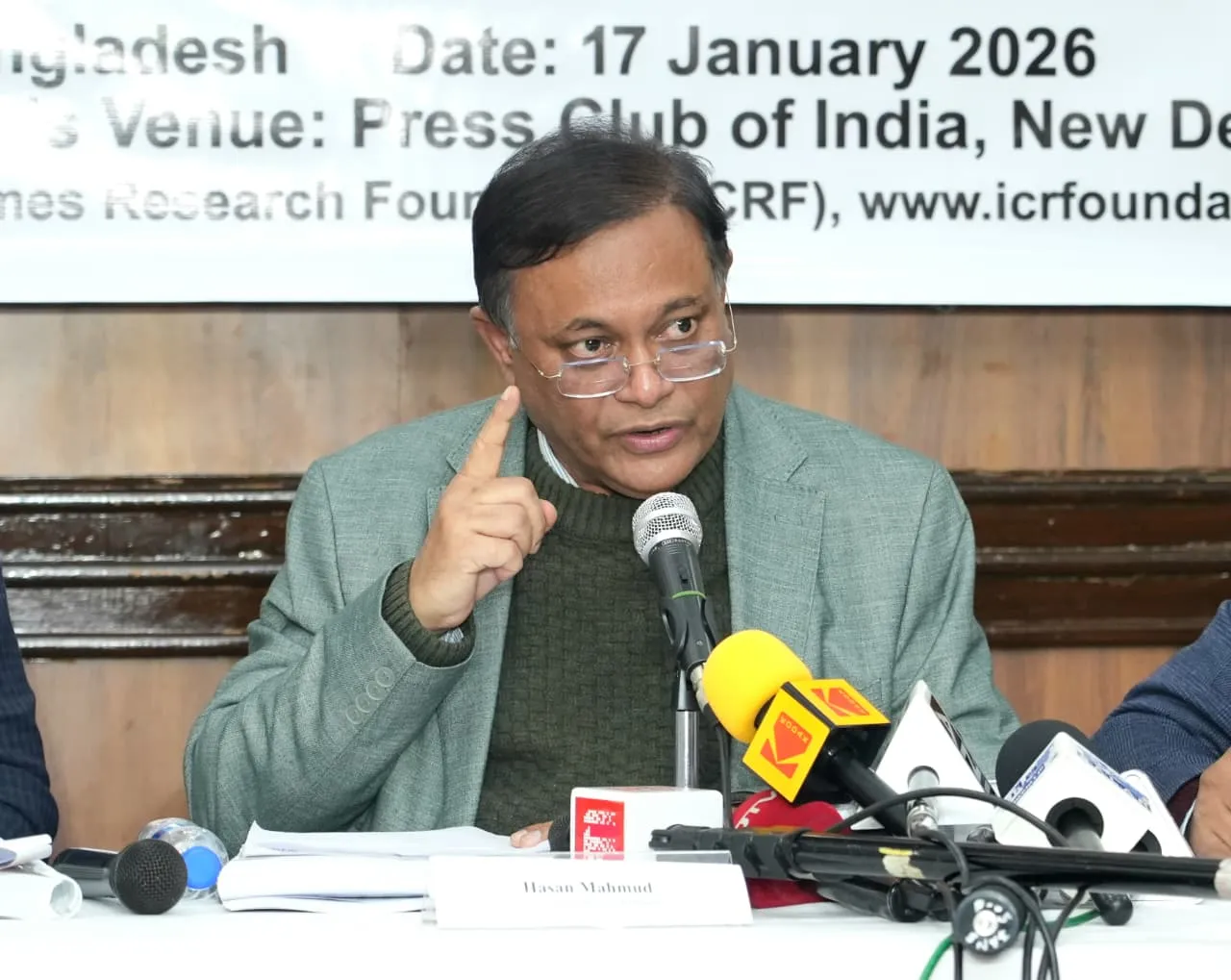
Opening the briefing, Nijhoom Majumder, Barrister and Solicitor and Head of ICRF’s legal team, said the rebuttal was based on a detailed legal and factual review of the UN document. He alleged that the OHCHR report suffered from “serious structural and methodological deficiencies,” including selective use of sources, lack of transparent verification, internal inconsistencies and the exclusion of key testimonies.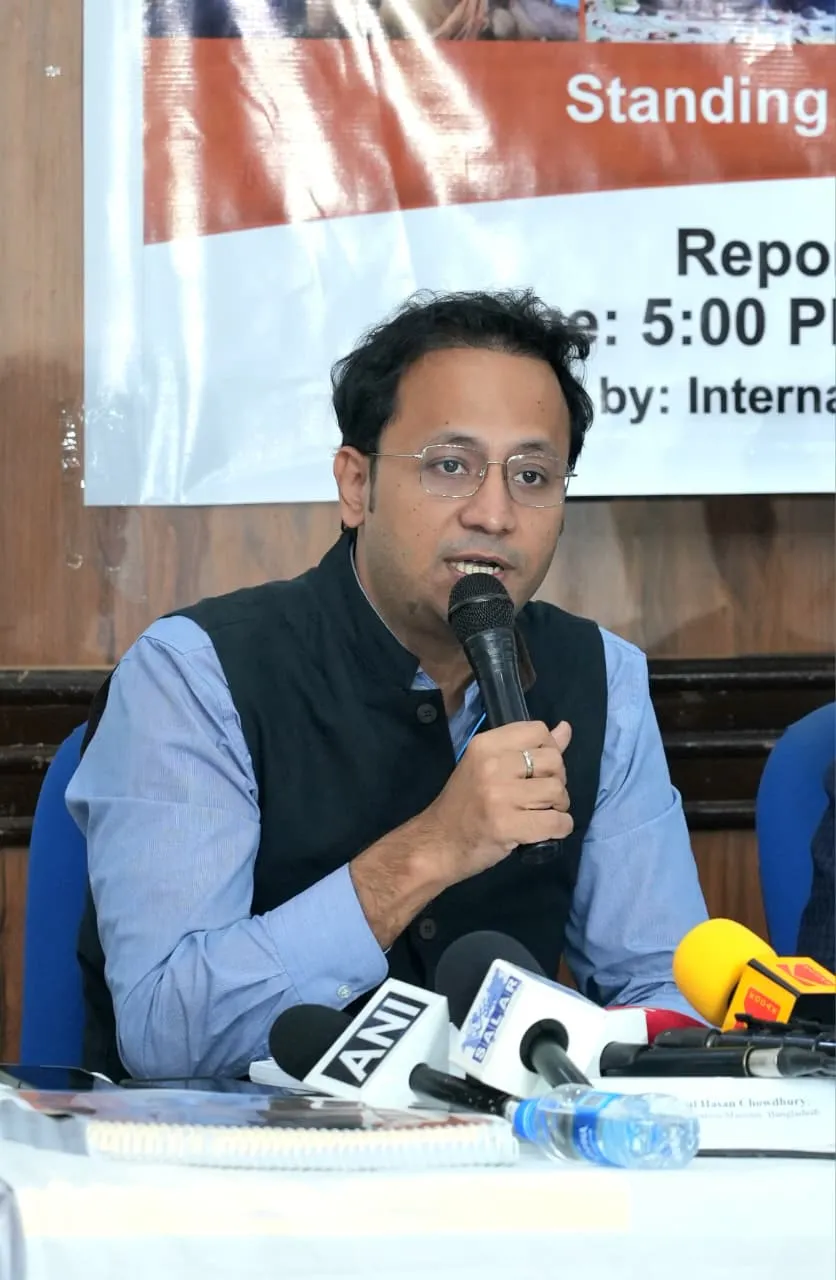
Majumder said the UN fact-finding mission failed to interview senior state and security officials and relied heavily on secondary and partisan material. He added that evidence of violence against police personnel, political workers, journalists and minority communities was either underplayed or ignored. The rebuttal, he said, calls for accountability rooted in legal rigour and inclusivity rather than selective attribution of blame.
Bangladesh Education Minister Mohibul Hassan Chowdhury Nowfel told reporters that Awami League leaders were not properly consulted during the preparation of the UN report. He said that despite his participation in a lengthy virtual meeting with the OHCHR team, explanations regarding police conduct and use-of-force protocols were not reflected in the final document. “It appeared the narrative had already been decided,” he said.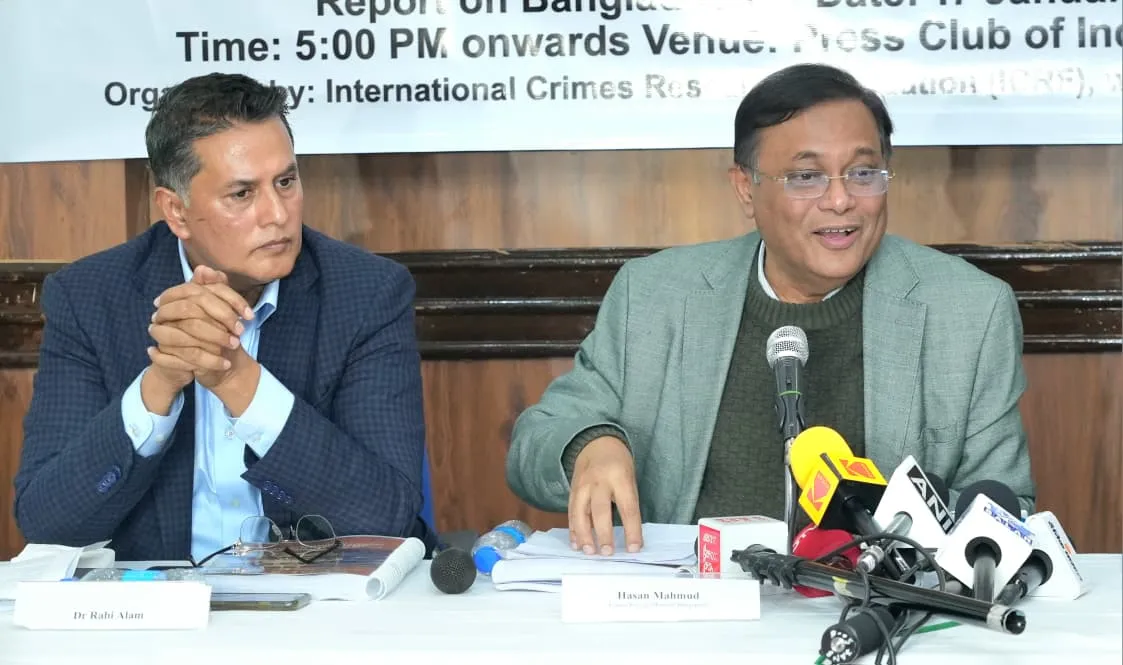
Awami League representative Rabi Alam alleged that responsibility for the violence was unfairly placed on former Prime Minister Sheikh Hasina and her government, while atrocities against civilians, police and minorities were overlooked. He urged journalists to independently verify the events of the unrest.
Bangladesh Foreign Minister Hasan Mahmud described the OHCHR report as “biased and one-sided,” alleging that it shielded perpetrators while failing victims. He questioned the accuracy of casualty figures cited internationally and said inconsistencies were ignored by the UN body. Mahmud also alleged widespread political persecution following the unrest, including mass arrests of Awami League supporters.
Mahmud said the government would submit a formal objection to the UN Secretary-General and relevant bodies, challenging the report and its authors. The organisers clarified that the rebuttal does not deny the occurrence of violence but seeks to highlight omissions and methodological failures, calling for an impartial and genuinely independent international review.
Link of the Rebuttal: https://icrfoundation.com/icrf-rebuts-ohchr-bangladesh-report-citing-evidence-gaps-and-bias/

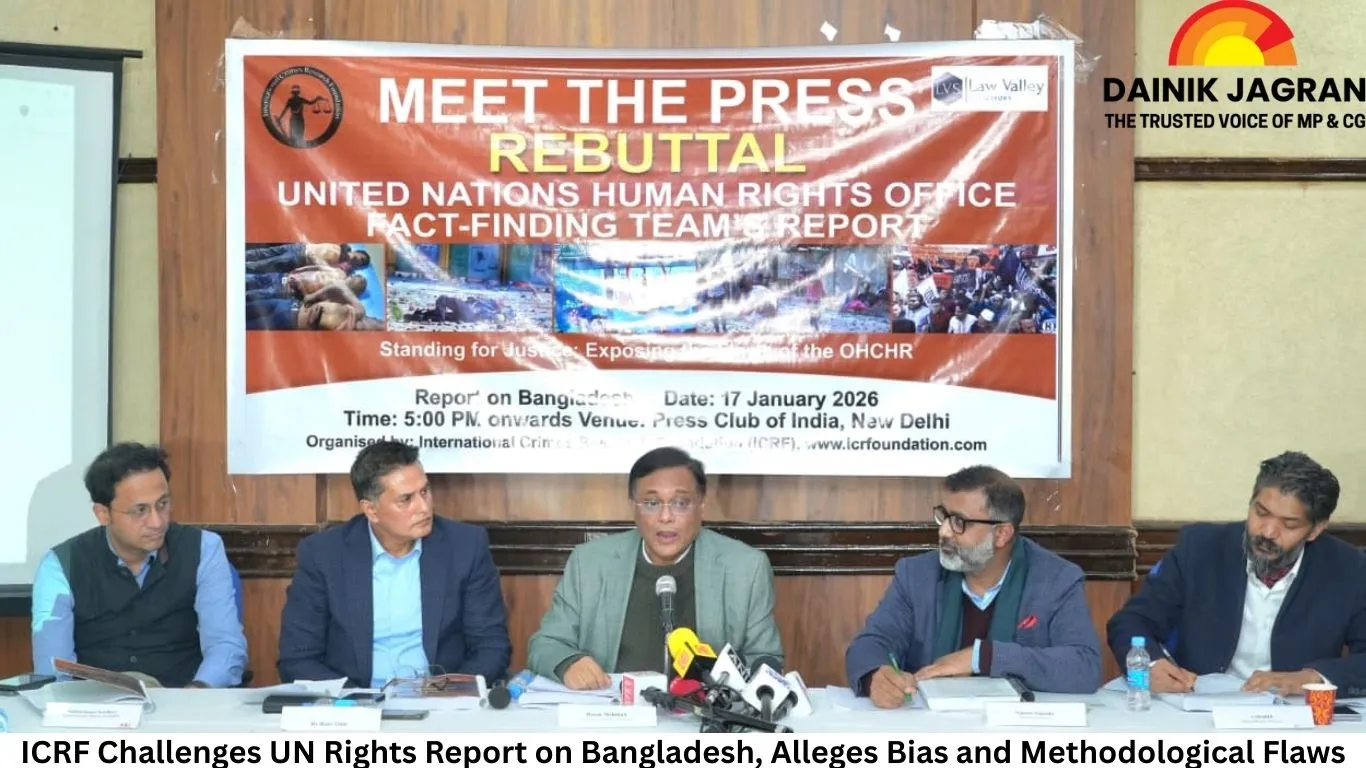
ICRF Challenges UN Rights Report on Bangladesh, Alleges Bias and Methodological Flaws
Digital Desk
The rebuttal was unveiled at a press conference held at the Press Club of India, jointly organised by ICRF, Law Valley Solicitor and S Shakir (FRSA). Senior leaders of Bangladesh’s ruling Awami League addressed the media, contesting the findings and conclusions of the OHCHR report.
Opening the briefing, Nijhoom Majumder, Barrister and Solicitor and Head of ICRF’s legal team, said the rebuttal was based on a detailed legal and factual review of the UN document. He alleged that the OHCHR report suffered from “serious structural and methodological deficiencies,” including selective use of sources, lack of transparent verification, internal inconsistencies and the exclusion of key testimonies.
Majumder said the UN fact-finding mission failed to interview senior state and security officials and relied heavily on secondary and partisan material. He added that evidence of violence against police personnel, political workers, journalists and minority communities was either underplayed or ignored. The rebuttal, he said, calls for accountability rooted in legal rigour and inclusivity rather than selective attribution of blame.
Bangladesh Education Minister Mohibul Hassan Chowdhury Nowfel told reporters that Awami League leaders were not properly consulted during the preparation of the UN report. He said that despite his participation in a lengthy virtual meeting with the OHCHR team, explanations regarding police conduct and use-of-force protocols were not reflected in the final document. “It appeared the narrative had already been decided,” he said.
Awami League representative Rabi Alam alleged that responsibility for the violence was unfairly placed on former Prime Minister Sheikh Hasina and her government, while atrocities against civilians, police and minorities were overlooked. He urged journalists to independently verify the events of the unrest.
Bangladesh Foreign Minister Hasan Mahmud described the OHCHR report as “biased and one-sided,” alleging that it shielded perpetrators while failing victims. He questioned the accuracy of casualty figures cited internationally and said inconsistencies were ignored by the UN body. Mahmud also alleged widespread political persecution following the unrest, including mass arrests of Awami League supporters.
Mahmud said the government would submit a formal objection to the UN Secretary-General and relevant bodies, challenging the report and its authors. The organisers clarified that the rebuttal does not deny the occurrence of violence but seeks to highlight omissions and methodological failures, calling for an impartial and genuinely independent international review.
Link of the Rebuttal: https://icrfoundation.com/icrf-rebuts-ohchr-bangladesh-report-citing-evidence-gaps-and-bias/