


Jairam Ramesh Targets Narendra Modi Over AI Summit Optics, Sparks Political Row
Digital Desk
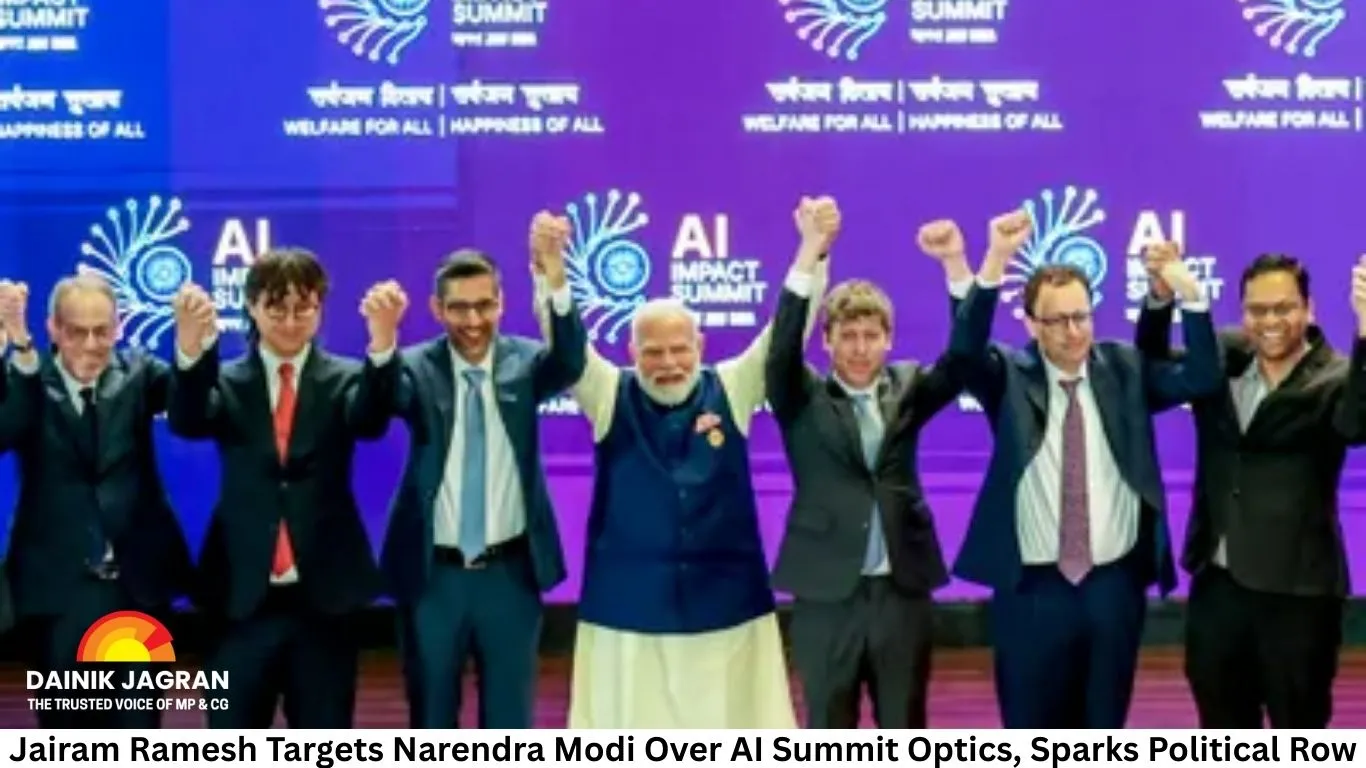
Ramesh’s remarks came after images circulated showing Modi posing with international technology executives during a group photograph session. The Congress general secretary alleged that while India projected unity on stage, global geopolitical developments — including a recent meeting between Donald Trump and Shehbaz Sharif in Washington — reflected shifting international alignments that New Delhi should be watching closely.
The criticism centres on what the opposition describes as excessive focus on symbolism and public relations. Ramesh argued that India’s leadership should prioritise policy substance over visual messaging at international forums. He also mocked references to India as a “Vishwaguru,” suggesting the government was more intent on projecting global influence than addressing domestic concerns.
The comments triggered reactions from ruling party figures, who defended the summit as a major diplomatic and technological milestone showcasing India’s innovation ecosystem. Government supporters said participation by global industry leaders signalled confidence in India’s digital and artificial intelligence ambitions.
During the widely discussed photo session, several prominent executives, including Sundar Pichai, Sam Altman, and Dario Amodei, stood alongside the Prime Minister. Observers noted minor moments of awkwardness among participants, which quickly drew attention online and became fodder for political commentary.
The controversy coincides with the rollout of new regulations mandating that AI-generated media be clearly labelled and requiring social media platforms to remove objectionable content within three hours of receiving complaints. Officials say the rules are intended to curb misinformation and ensure transparency as synthetic media tools become more widespread.
Analysts view the exchange as part of a broader pattern of intensifying political messaging ahead of upcoming electoral contests. With technology policy and global partnerships emerging as campaign themes, both government and opposition leaders appear eager to frame the narrative around India’s international image and domestic priorities.
.jpg)




