Modi Austerity Appeal: 12 States Cut Fuel Use
Digital Desk
PM Modi's call to save petrol-diesel prompts action in 12 states: Tripura caps office staff at 50%, CMs in Andhra, Goa halve convoys. Haryana CM goes vehicle-free weekly amid wider belt-tightening.
Modi Austerity Appeal Sparks Fuel Cuts in 12 States
Tripura halves office staff, CMs slash convoys after PM's petrol-saving call
New Delhi: Prime Minister Narendra Modi's recent push for fuel conservation is rippling through state governments, with leaders in 12 states rolling back extravagance in official travel and operations. From slashed convoys to work-from-home mandates, the measures aim to curb petrol-diesel use amid global supply strains.
The momentum picked up after Modi's back-to-back appeals on May 10 in Hyderabad and May 11 in Vadodara. He urged citizens to skip foreign trips, cut gold buys, reduce cooking oil, and opt for public transport like metros and carpooling. "Postpone non-essential travel for weddings or holidays—it's in the national interest," he said in Hyderabad. The next day in Vadodara, he doubled down: use electric buses where possible and bring foreign tourists to India instead.
PM Leads by Example
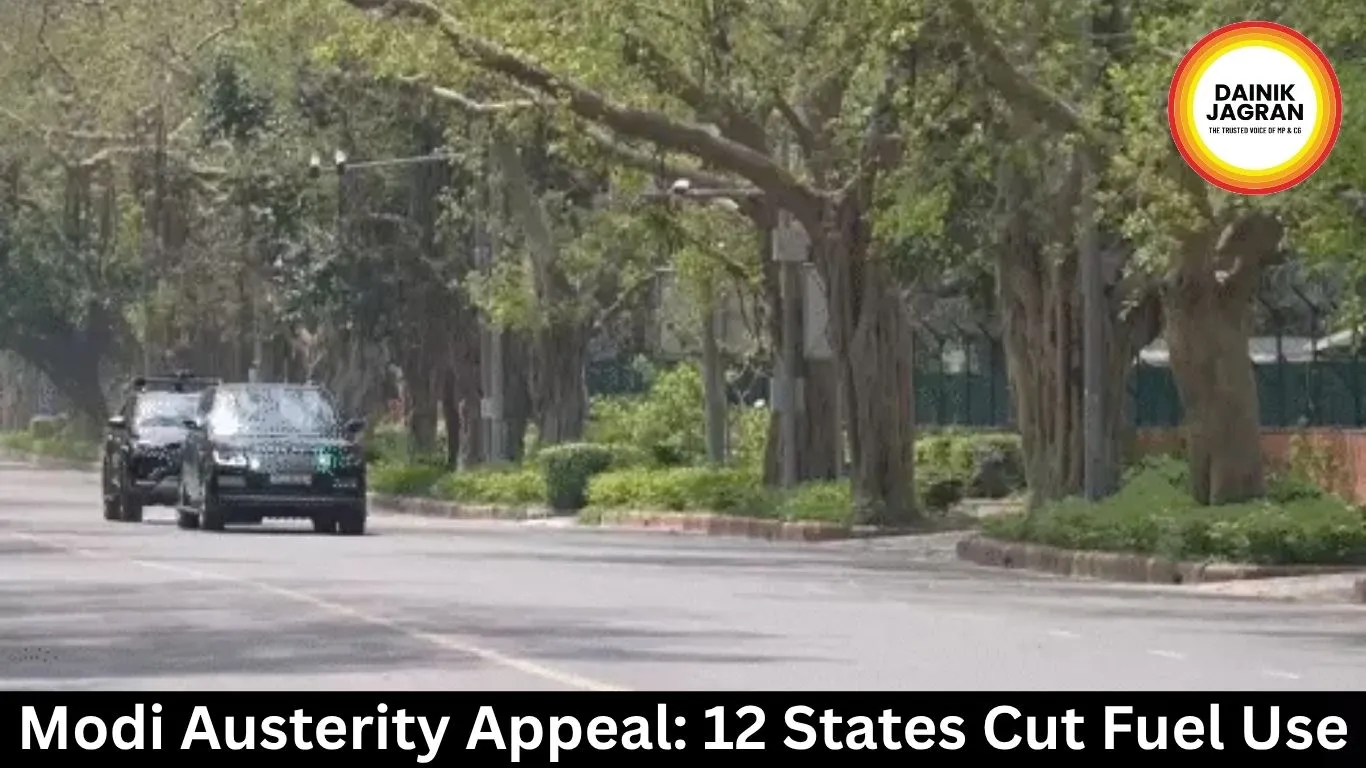
Modi himself set the tone Wednesday, zipping through Delhi with just two vehicles—far short of the usual 12-15 convoy. Sources in the PMO confirmed the scaled-back setup, signaling top-level commitment to the austerity drive.
States wasted no time. In Uttar Pradesh, the Yogi Adityanath government announced seven key steps Tuesday, including halving convoys for the CM, ministers, MLAs, and officers. They'll also switch to virtual meetings and enforce two work-from-home days weekly. One day a week, officials must use public transport like buses or metros.
Tripura's Bold Staff Rotation
Tripura went furthest on staffing. Only 50% of Group C and D employees will report to offices daily, with the rest working remotely. Departments must draw up weekly rosters, exempting essential services. "This saves expenses and fuel," an official note said, per local reports.
CM Convoys Slashed Across Board
Andhra Pradesh Chief Minister N Chandrababu Naidu ordered a 50% cut in convoy vehicles for district tours, urging ministers and VIPs to travel only when needed. Goa CM Pramod Sawant followed suit, trimming his six-vehicle entourage to three.
Haryana's Nayab Singh Saini pared down to security essentials and pledged one vehicle-free day weekly. Rajasthan CM Bhajanlal Sharma's convoy dropped from 14-16 to five vehicles—spotted en route to Jaipur airport Wednesday for a Delhi trip. Odisha CM Mohan Majhi exited office with just four vehicles, including two police ones.
Eco Shifts in Bihar, MP
Bihar saw Deputy CM Samrat Chaudhary arrive at the secretariat in an electric vehicle for Wednesday's cabinet meet, though media noted a trailing 20-vehicle petrol convoy. Ministers are now limiting to one or two cars for events.
Madhya Pradesh clamped down on VIP movements, capping ministers' convoys and banning rally vehicles on tours. CM Mohan Yadav's Z+ secured local Bhopal runs fell from 13 to eight vehicles. Energy Minister Pradyumna Singh Tomar scooted to Panchanan Bhawan on an e-scooter, while High Court Justice DD Bansal cycled three kilometers to work.
Public Transport Push in Delhi, Punjab
Delhi Education Minister Aashish Sood made headlines Tuesday, taking the metro from INA to Karkardooma, then an e-rickshaw to a school event in Surajmal Vihar. Punjab Governor Gulab Chand Kataria directed his office to shun four-wheelers every Wednesday after an officers' huddle.
Maharashtra's Ashish Shelar scrapped a Cannes Film Festival trip, citing tough times and reining in departmental spends.
These steps underscore the Modi austerity appeal's reach, targeting government bloat while nudging public behavior. Officials hint at more measures if fuel prices stay volatile, with eyes on long-term shifts like natural farming to cut fertilizer imports. For now, the changes signal a pragmatic response to economic pressures.

--------
🚨 Beat the News Rush – Join Now!
Get breaking alerts, hot exclusives, and game-changing stories instantly on your phone. No delays, no fluff – just the edge you need. ⚡
Tap to join:
🟢 WhatsApp Channel: Dainik Jagran MP CG
Crave more?
🅕 Facebook: Dainik Jagran MP CG English
🅧 Twitter (X): Dainik Jagran MP CG
🅘 Instagram: Dainik Jagran MP CG
Share the fire – keep your crew ahead! 🗞️🔥
Modi Austerity Appeal: 12 States Cut Fuel Use
Digital Desk
Modi Austerity Appeal Sparks Fuel Cuts in 12 States
Tripura halves office staff, CMs slash convoys after PM's petrol-saving call
New Delhi: Prime Minister Narendra Modi's recent push for fuel conservation is rippling through state governments, with leaders in 12 states rolling back extravagance in official travel and operations. From slashed convoys to work-from-home mandates, the measures aim to curb petrol-diesel use amid global supply strains.
The momentum picked up after Modi's back-to-back appeals on May 10 in Hyderabad and May 11 in Vadodara. He urged citizens to skip foreign trips, cut gold buys, reduce cooking oil, and opt for public transport like metros and carpooling. "Postpone non-essential travel for weddings or holidays—it's in the national interest," he said in Hyderabad. The next day in Vadodara, he doubled down: use electric buses where possible and bring foreign tourists to India instead.
PM Leads by Example
Modi himself set the tone Wednesday, zipping through Delhi with just two vehicles—far short of the usual 12-15 convoy. Sources in the PMO confirmed the scaled-back setup, signaling top-level commitment to the austerity drive.
States wasted no time. In Uttar Pradesh, the Yogi Adityanath government announced seven key steps Tuesday, including halving convoys for the CM, ministers, MLAs, and officers. They'll also switch to virtual meetings and enforce two work-from-home days weekly. One day a week, officials must use public transport like buses or metros.
Tripura's Bold Staff Rotation
Tripura went furthest on staffing. Only 50% of Group C and D employees will report to offices daily, with the rest working remotely. Departments must draw up weekly rosters, exempting essential services. "This saves expenses and fuel," an official note said, per local reports.
CM Convoys Slashed Across Board
Andhra Pradesh Chief Minister N Chandrababu Naidu ordered a 50% cut in convoy vehicles for district tours, urging ministers and VIPs to travel only when needed. Goa CM Pramod Sawant followed suit, trimming his six-vehicle entourage to three.
Haryana's Nayab Singh Saini pared down to security essentials and pledged one vehicle-free day weekly. Rajasthan CM Bhajanlal Sharma's convoy dropped from 14-16 to five vehicles—spotted en route to Jaipur airport Wednesday for a Delhi trip. Odisha CM Mohan Majhi exited office with just four vehicles, including two police ones.
Eco Shifts in Bihar, MP
Bihar saw Deputy CM Samrat Chaudhary arrive at the secretariat in an electric vehicle for Wednesday's cabinet meet, though media noted a trailing 20-vehicle petrol convoy. Ministers are now limiting to one or two cars for events.
Madhya Pradesh clamped down on VIP movements, capping ministers' convoys and banning rally vehicles on tours. CM Mohan Yadav's Z+ secured local Bhopal runs fell from 13 to eight vehicles. Energy Minister Pradyumna Singh Tomar scooted to Panchanan Bhawan on an e-scooter, while High Court Justice DD Bansal cycled three kilometers to work.
Public Transport Push in Delhi, Punjab
Delhi Education Minister Aashish Sood made headlines Tuesday, taking the metro from INA to Karkardooma, then an e-rickshaw to a school event in Surajmal Vihar. Punjab Governor Gulab Chand Kataria directed his office to shun four-wheelers every Wednesday after an officers' huddle.
Maharashtra's Ashish Shelar scrapped a Cannes Film Festival trip, citing tough times and reining in departmental spends.
These steps underscore the Modi austerity appeal's reach, targeting government bloat while nudging public behavior. Officials hint at more measures if fuel prices stay volatile, with eyes on long-term shifts like natural farming to cut fertilizer imports. For now, the changes signal a pragmatic response to economic pressures.