


India's Reservation System at Crossroads: Caste vs Economy in 2025 – Time for Bold Reforms?
Digital Desk
In the bustling cafes of Delhi or the quiet villages of Bihar, one question still sparks heated debates: What does "reservation" really mean in modern India? As we hit 2025, the system born from our Constitution's promise of equality feels both a lifeline and a lightning rod.
Born to uplift the historically oppressed, it's evolved into a political chessboard, dividing us on caste lines while poverty laughs in the shadows. But with fresh Supreme Court nods to sub-classifications and economic quotas, is it time to rethink or refine?
Let's rewind quickly – reservations kicked off in 1950 to counter centuries of untouchability and isolation. Scheduled Castes (SCs) got 15% for enduring social hell like separate wells and temple bans. Scheduled Tribes (STs) snagged 7.5% to pull remote forest dwellers into the mainstream.
Then came Other Backward Classes (OBCs) in 1990, via the Mandal Commission's bold 27% push, validated in the landmark Indra Sawhney case.
That 1992 verdict capped total quotas at 50% to safeguard merit, introduced the "creamy layer" to exclude the well-off, and nixed promotions – a call later softened by amendments like the 77th in 1995.
Fast-forward to 2019's 103rd Amendment, birthing the 10% Economically Weaker Sections (EWS) quota. It's a game-changer: purely income-based, excluding SCs/STs/OBCs to avoid double-dipping, and upheld in 2022's Janhit Abhiyan case.
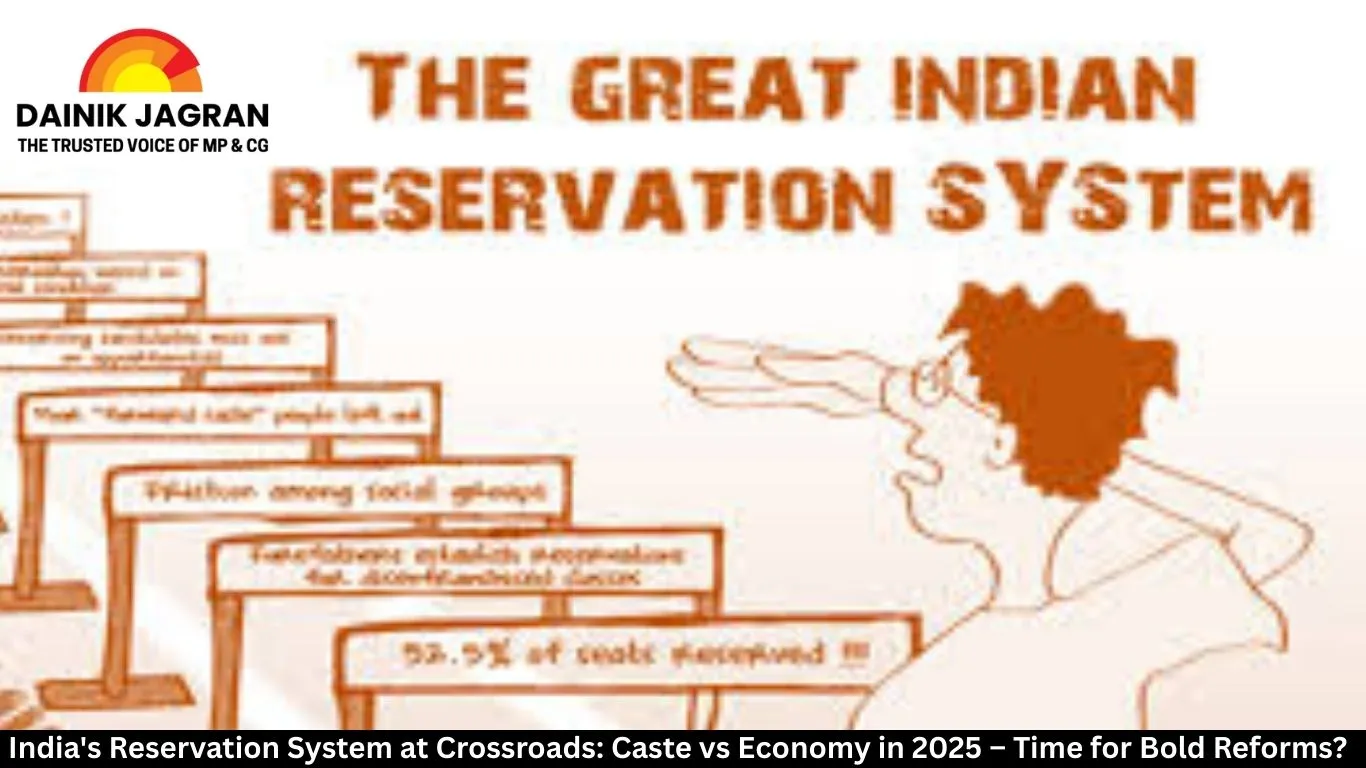
Total quotas now hover at 59.5%, breaching the old cap but justified as a separate stream for the poor general category. Recent 2024 rulings, like State of Punjab vs Davinder Singh, greenlit sub-classifying SCs/STs to target the neediest, echoing creamy layer extensions from Jarnail Singh (2018).
Yet, here's my take: In 2025, clinging to caste as the sole yardstick feels archaic. We've seen Tamil Nadu's 69% quota battles and Maharashtra's Maratha demands – endless "backwardness" claims fueling vote-bank fires.
Why fight to be labeled "backward" in a nation roaring towards $5 trillion GDP? Economic criteria, like EWS, levels the field without deepening divides. Poverty doesn't check caste; it hits everyone. Shift more to income, education access, and rural metrics – imagine quotas based on family earnings under ₹8 lakh, not birth certificates.
Critics cry "reverse discrimination," eroding merit. Fair point – IITs and IAS ranks need talent, not handouts. But data shows reservations boost diversity without tanking efficiency; SC/ST officers now lead ministries. The real erosion? When creamy layers hog benefits, leaving the poorest behind.
As elections loom, politicians peddle more quotas like candy. We need vision: Phase out caste quotas over a decade, turbocharge EWS to 20%, and invest in universal skilling.
True social justice isn't division; it's elevation. India's youth – 65% under 35 – deserve opportunities, not alms. Let's make reservation a bridge to equality, not a moat of mistrust.




.jpg)




