Bangladesh at a Crossroads: Radicalisation, Political Exclusion and the Search for a Way Back
Digital desk
Two Years After Sheikh Hasina’s Fall, Bangladesh Faces Questions Over Islamist Resurgence, Political Polarisation and the Future of Democracy.
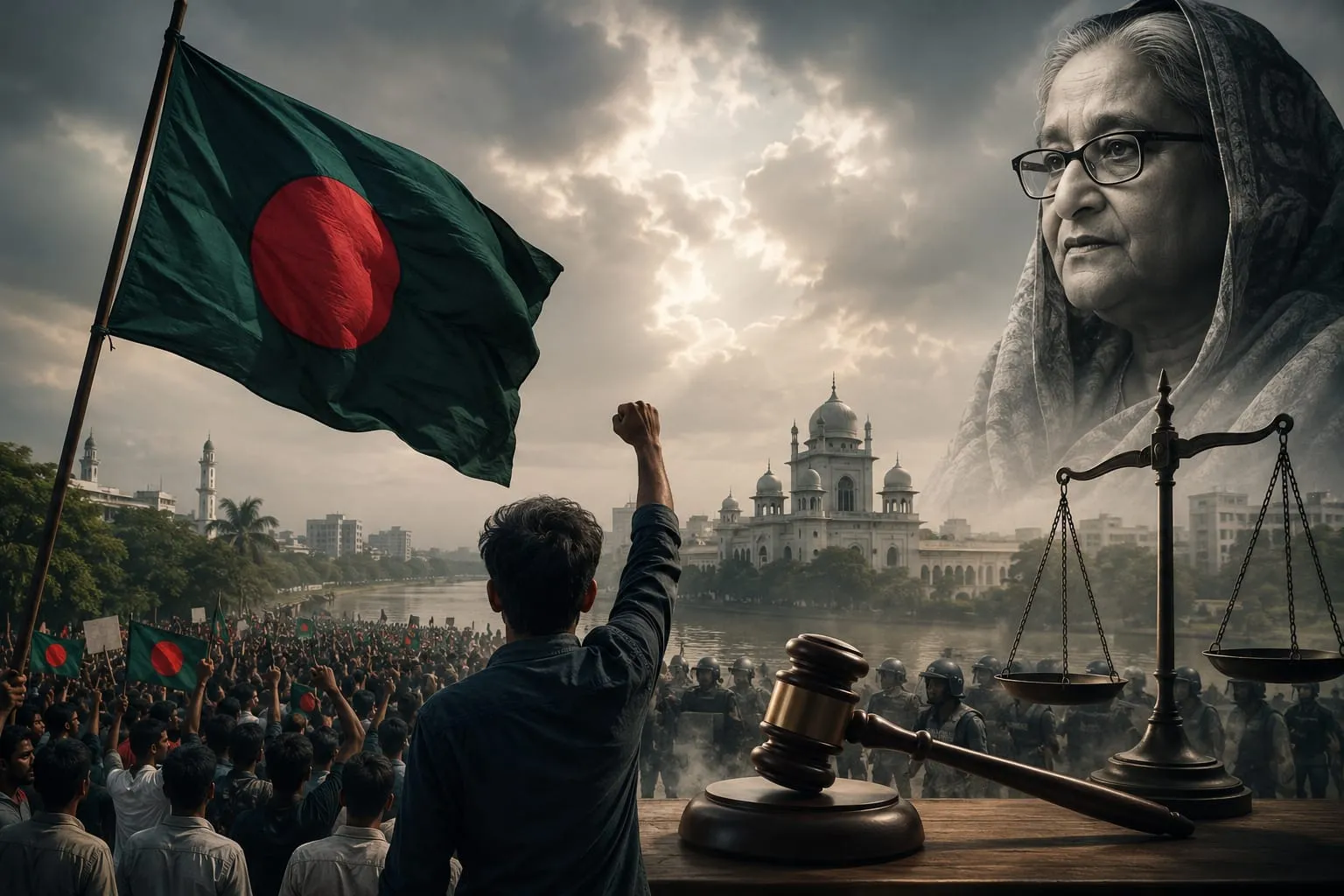
Two years after a student-led uprising forced former Bangladesh Prime Minister Sheikh Hasina from power and into exile in India, Bangladesh appears to be facing a new and potentially more complicated political crossroads.
On the second anniversary of her departure, Hasina addressed a gathering in New Delhi through an audio link and said she was prepared to return to Bangladesh despite the possibility of arrest, imprisonment or even execution following her conviction in absentia.
While Hasina’s return has once again brought Bangladesh’s political crisis into the spotlight, the larger question concerns the direction the country has taken since her departure.
Hasina’s long tenure was marked by allegations of democratic backsliding, suppression of political opponents and restrictions on dissent. Her opponents had legitimate grievances, and her removal was welcomed by many Bangladeshis. However, the political transformation that followed has raised a different set of concerns, particularly over the resurgence of Islamist forces and the exclusion of major political constituencies.
Islamist Forces Regain Political Space
One of the most significant developments since Hasina’s exit has been the increased political visibility of Jamaat-e-Islami and other Islamist groups.
During Hasina’s rule, Jamaat was severely restricted and several of its senior leaders faced prosecution over their alleged roles in atrocities committed during Bangladesh’s 1971 Liberation War. The organisation’s political influence was consequently reduced for years.
The political opening following Hasina’s departure, however, has created greater space for Islamist groups to operate and mobilise. Their growing presence on the streets, campuses and within political institutions has intensified concerns among secular and liberal sections of Bangladeshi society.
For a country whose independence movement was shaped by opposition to religious majoritarianism and whose constitutional identity historically emphasised secularism, the growing influence of the religious right represents a significant political shift.
Concerns Beyond Bangladesh
The developments in Bangladesh also carry implications for neighbouring India.
India shares a long and sensitive border with Bangladesh, making political instability, radicalisation, organised crime and extremist networks matters of direct security concern for New Delhi.
There are also continuing concerns over attacks and violence against Bangladesh’s Hindu minority during periods of political turmoil. Any sustained deterioration in communal relations could further complicate bilateral ties and create additional security challenges along the border.
For India, therefore, the issue is not simply about Sheikh Hasina or any individual political leader. The larger concern is whether Bangladesh remains politically stable, democratic and capable of preventing extremist forces from gaining disproportionate influence.
Hasina’s Conviction Raises Questions Over Justice
The fate of Sheikh Hasina remains another major point of controversy.
In November 2025, Bangladesh’s International Crimes Tribunal convicted Hasina in absentia of crimes against humanity and imposed a death sentence over her alleged responsibility for the violent crackdown during the unrest that brought down her government.
The scale of the alleged killings has made accountability an important demand. However, questions have also been raised over the fairness and credibility of the judicial process.
The tribunal itself was established during Hasina’s tenure to prosecute individuals accused of crimes committed during the 1971 Liberation War. Its subsequent use in proceedings against Hasina has therefore created an unusual political and legal irony.
Critics argue that a death sentence imposed by a tribunal whose independence and procedures remain contested risks being viewed by sections of society as an act of political retribution rather than impartial justice.
A credible accountability process, observers argue, would need to meet internationally recognised standards of due process and command confidence across Bangladesh’s political spectrum.
Political Exclusion Could Deepen the Crisis
The future of the Awami League is equally important.
The party is larger than Sheikh Hasina and has played a central role in Bangladesh’s independence movement and political history. It has a substantial organisational network and a significant support base across the country.
Any attempt to permanently remove such a major political force from the democratic process could deepen rather than resolve Bangladesh’s political divisions.
Political exclusion may temporarily suppress opposition, but it rarely eliminates the grievances and loyalties that produced it. Instead, it can push political conflict outside formal democratic institutions and make future reconciliation more difficult.
The survival of a strong secular political centre could therefore be important in preventing Bangladesh’s political landscape from becoming increasingly dominated by hard-line religious forces.
India’s Interest Lies in a Stable Bangladesh
For New Delhi, the central issue is not necessarily the return of Sheikh Hasina to power.
India’s broader strategic interest lies in having a stable, peaceful and democratic Bangladesh that maintains communal harmony and does not become a centre for extremist activity.
A stable Bangladesh is important for India’s northeastern states, border security, regional trade, connectivity and wider South Asian stability.
Experts and policymakers therefore face a difficult question: can Bangladesh rebuild its democratic institutions without turning political accountability into political revenge?
The Road Ahead
Bangladesh now faces a choice between political exclusion and democratic accommodation.
Accountability for alleged human-rights violations must continue, but it needs to be pursued through a judicial process that is transparent, credible and trusted across political divisions.
At the same time, Bangladesh will have to determine whether its major political parties and traditions can coexist within a democratic framework rather than being eliminated through legal or political exclusion.
Sheikh Hasina’s declaration that she intends to return has added another dramatic chapter to Bangladesh’s political crisis. But the deeper issue goes beyond the fate of one former prime minister.
The real test is whether Bangladesh can reconcile accountability with due process, political competition with inclusion, and religious freedom with the secular principles that shaped its founding.
The country’s future may ultimately depend on whether it chooses reconciliation over revenge and democratic inclusion over political exclusion.
Bangladesh at a Crossroads: Radicalisation, Political Exclusion and the Search for a Way Back
Digital desk
Two years after a student-led uprising forced former Bangladesh Prime Minister Sheikh Hasina from power and into exile in India, Bangladesh appears to be facing a new and potentially more complicated political crossroads.
On the second anniversary of her departure, Hasina addressed a gathering in New Delhi through an audio link and said she was prepared to return to Bangladesh despite the possibility of arrest, imprisonment or even execution following her conviction in absentia.
While Hasina’s return has once again brought Bangladesh’s political crisis into the spotlight, the larger question concerns the direction the country has taken since her departure.
Hasina’s long tenure was marked by allegations of democratic backsliding, suppression of political opponents and restrictions on dissent. Her opponents had legitimate grievances, and her removal was welcomed by many Bangladeshis. However, the political transformation that followed has raised a different set of concerns, particularly over the resurgence of Islamist forces and the exclusion of major political constituencies.
Islamist Forces Regain Political Space
One of the most significant developments since Hasina’s exit has been the increased political visibility of Jamaat-e-Islami and other Islamist groups.
During Hasina’s rule, Jamaat was severely restricted and several of its senior leaders faced prosecution over their alleged roles in atrocities committed during Bangladesh’s 1971 Liberation War. The organisation’s political influence was consequently reduced for years.
The political opening following Hasina’s departure, however, has created greater space for Islamist groups to operate and mobilise. Their growing presence on the streets, campuses and within political institutions has intensified concerns among secular and liberal sections of Bangladeshi society.
For a country whose independence movement was shaped by opposition to religious majoritarianism and whose constitutional identity historically emphasised secularism, the growing influence of the religious right represents a significant political shift.
Concerns Beyond Bangladesh
The developments in Bangladesh also carry implications for neighbouring India.
India shares a long and sensitive border with Bangladesh, making political instability, radicalisation, organised crime and extremist networks matters of direct security concern for New Delhi.
There are also continuing concerns over attacks and violence against Bangladesh’s Hindu minority during periods of political turmoil. Any sustained deterioration in communal relations could further complicate bilateral ties and create additional security challenges along the border.
For India, therefore, the issue is not simply about Sheikh Hasina or any individual political leader. The larger concern is whether Bangladesh remains politically stable, democratic and capable of preventing extremist forces from gaining disproportionate influence.
Hasina’s Conviction Raises Questions Over Justice
The fate of Sheikh Hasina remains another major point of controversy.
In November 2025, Bangladesh’s International Crimes Tribunal convicted Hasina in absentia of crimes against humanity and imposed a death sentence over her alleged responsibility for the violent crackdown during the unrest that brought down her government.
The scale of the alleged killings has made accountability an important demand. However, questions have also been raised over the fairness and credibility of the judicial process.
The tribunal itself was established during Hasina’s tenure to prosecute individuals accused of crimes committed during the 1971 Liberation War. Its subsequent use in proceedings against Hasina has therefore created an unusual political and legal irony.
Critics argue that a death sentence imposed by a tribunal whose independence and procedures remain contested risks being viewed by sections of society as an act of political retribution rather than impartial justice.
A credible accountability process, observers argue, would need to meet internationally recognised standards of due process and command confidence across Bangladesh’s political spectrum.
Political Exclusion Could Deepen the Crisis
The future of the Awami League is equally important.
The party is larger than Sheikh Hasina and has played a central role in Bangladesh’s independence movement and political history. It has a substantial organisational network and a significant support base across the country.
Any attempt to permanently remove such a major political force from the democratic process could deepen rather than resolve Bangladesh’s political divisions.
Political exclusion may temporarily suppress opposition, but it rarely eliminates the grievances and loyalties that produced it. Instead, it can push political conflict outside formal democratic institutions and make future reconciliation more difficult.
The survival of a strong secular political centre could therefore be important in preventing Bangladesh’s political landscape from becoming increasingly dominated by hard-line religious forces.
India’s Interest Lies in a Stable Bangladesh
For New Delhi, the central issue is not necessarily the return of Sheikh Hasina to power.
India’s broader strategic interest lies in having a stable, peaceful and democratic Bangladesh that maintains communal harmony and does not become a centre for extremist activity.
A stable Bangladesh is important for India’s northeastern states, border security, regional trade, connectivity and wider South Asian stability.
Experts and policymakers therefore face a difficult question: can Bangladesh rebuild its democratic institutions without turning political accountability into political revenge?
The Road Ahead
Bangladesh now faces a choice between political exclusion and democratic accommodation.
Accountability for alleged human-rights violations must continue, but it needs to be pursued through a judicial process that is transparent, credible and trusted across political divisions.
At the same time, Bangladesh will have to determine whether its major political parties and traditions can coexist within a democratic framework rather than being eliminated through legal or political exclusion.
Sheikh Hasina’s declaration that she intends to return has added another dramatic chapter to Bangladesh’s political crisis. But the deeper issue goes beyond the fate of one former prime minister.
The real test is whether Bangladesh can reconcile accountability with due process, political competition with inclusion, and religious freedom with the secular principles that shaped its founding.
The country’s future may ultimately depend on whether it chooses reconciliation over revenge and democratic inclusion over political exclusion.
Recommended For You
--------
🚨 Beat the News Rush – Join Now!
Get breaking alerts, hot exclusives, and game-changing stories instantly on your phone. No delays, no fluff – just the edge you need. ⚡
Tap to join:
🟢 WhatsApp Channel: Dainik Jagran MP CG
Crave more?
🅕 Facebook: Dainik Jagran MP CG English
🅧 Twitter (X): Dainik Jagran MP CG
🅘 Instagram: Dainik Jagran MP CG
Share the fire – keep your crew ahead! 🗞️🔥