Surya Grahan 2026: India Won’t See August 12 Total Solar Eclipse—Will Sutak Still Apply?
Digital desk
The celestial event will create total darkness across parts of Greenland, Iceland and Spain. However, India lies outside the eclipse’s visibility zone
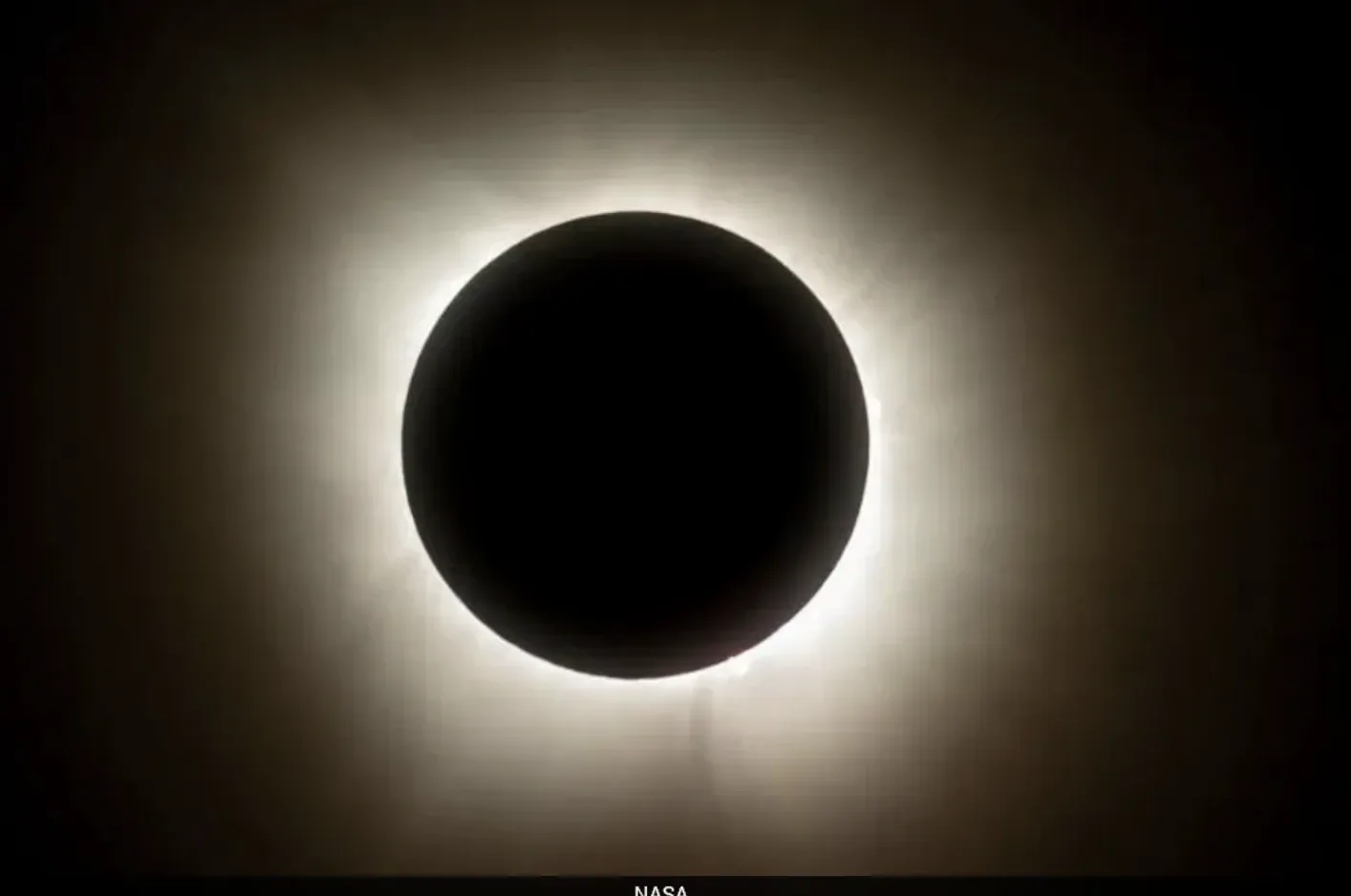
A total solar eclipse will occur on Wednesday, August 12, 2026, creating a spectacular astronomical display across parts of the Arctic region and Europe.
The path of totality will pass over northern Russia, Greenland, Iceland, northern Spain and a small part of Portugal. A partial eclipse will also be visible across large areas of Europe, north-western Africa and parts of North America.
India, however, will not witness either the total or partial phase of the eclipse. This has also raised an important question among devotees: Will Sutak Kaal apply in India if the eclipse is not visible here?
Solar Eclipse Timings According to Indian Standard Time
Although the eclipse will not be visible from India, its worldwide stages will occur at the following approximate Indian timings:
- Partial eclipse begins: 9:04 pm on August 12
- Total eclipse begins: 10:28 pm
- Maximum eclipse: 11:16 pm
- Total eclipse ends: 12:04 am on August 13
- Partial eclipse ends: 1:28 am on August 13
NASA says the eclipse’s total phase will be visible along a narrow path crossing Greenland, Iceland and northern Spain. People outside this path but within the wider visibility zone will see a partial eclipse. NASA eclipse information
Will Sutak Kaal Apply in India?
According to traditional Panchang practice, Sutak Kaal is generally observed only in regions where an eclipse is visible.
Since the August 12 solar eclipse will not be visible from any part of India, Sutak Kaal is not considered applicable in the country. Temples are therefore not traditionally required to close because of this eclipse, and devotees may continue their normal worship and daily activities.
Drik Panchang’s location-specific eclipse calculation for New Delhi also marks both the eclipse and Sutak as not applicable. Drik Panchang eclipse details
Religious customs can differ between families, temples and spiritual traditions. Devotees who follow instructions from a family priest or religious institution may choose to seek guidance from them.
Can People Eat or Perform Puja During the Eclipse?
Because the eclipse is not visible in India and Sutak does not apply, there is no general religious restriction on:
- Cooking or eating food
- Visiting temples
- Performing regular puja
- Beginning routine household work
- Pregnant women carrying out normal activities
Some devotees may still choose to chant mantras, meditate or remember Lord Surya during the global eclipse period as a personal spiritual practice. Such observances are voluntary rather than mandatory.
Why Does Sutak Depend on Visibility?
In Hindu tradition, Sutak refers to a period of ritual restraint observed before and during an eclipse. It may include avoiding food preparation, postponing auspicious ceremonies and spending time in prayer or mantra chanting.
Traditional calendars usually apply these rules only when an eclipse can be experienced at the observer’s location. If the Sun or Moon remains unaffected in the local sky, the associated Sutak restrictions are generally not followed.
This distinction is especially important in 2026 because social-media posts may circulate the global eclipse timings without explaining that the event cannot be seen from India.
Where Will the Best Views Be Available?
Some of the most prominent locations within the eclipse path include Reykjavík in Iceland and cities in northern Spain such as Bilbao, Santander and Zaragoza.
In these places, the Moon will completely cover the Sun for a brief period, revealing the solar corona and temporarily darkening the daytime sky.
Observers travelling abroad must use certified eclipse glasses or properly filtered viewing equipment during all partial phases. Ordinary sunglasses do not protect the eyes from solar damage. Looking directly at the Sun can cause permanent retinal injury.
NASA will also provide live coverage for people outside the visibility zone.
What Indian Devotees Should Remember
The August 12 event is an important astronomical occurrence, but it will not be visible in India. Consequently, the commonly observed Sutak restrictions will not apply here.
Devotees should avoid being misled by posts presenting worldwide eclipse timings as local visibility timings. The simplest rule is to check whether the eclipse can actually be seen from one’s location before following eclipse-related restrictions.

Surya Grahan 2026: India Won’t See August 12 Total Solar Eclipse—Will Sutak Still Apply?
Digital desk
A total solar eclipse will occur on Wednesday, August 12, 2026, creating a spectacular astronomical display across parts of the Arctic region and Europe.
The path of totality will pass over northern Russia, Greenland, Iceland, northern Spain and a small part of Portugal. A partial eclipse will also be visible across large areas of Europe, north-western Africa and parts of North America.
India, however, will not witness either the total or partial phase of the eclipse. This has also raised an important question among devotees: Will Sutak Kaal apply in India if the eclipse is not visible here?
Solar Eclipse Timings According to Indian Standard Time
Although the eclipse will not be visible from India, its worldwide stages will occur at the following approximate Indian timings:
- Partial eclipse begins: 9:04 pm on August 12
- Total eclipse begins: 10:28 pm
- Maximum eclipse: 11:16 pm
- Total eclipse ends: 12:04 am on August 13
- Partial eclipse ends: 1:28 am on August 13
NASA says the eclipse’s total phase will be visible along a narrow path crossing Greenland, Iceland and northern Spain. People outside this path but within the wider visibility zone will see a partial eclipse. NASA eclipse information
Will Sutak Kaal Apply in India?
According to traditional Panchang practice, Sutak Kaal is generally observed only in regions where an eclipse is visible.
Since the August 12 solar eclipse will not be visible from any part of India, Sutak Kaal is not considered applicable in the country. Temples are therefore not traditionally required to close because of this eclipse, and devotees may continue their normal worship and daily activities.
Drik Panchang’s location-specific eclipse calculation for New Delhi also marks both the eclipse and Sutak as not applicable. Drik Panchang eclipse details
Religious customs can differ between families, temples and spiritual traditions. Devotees who follow instructions from a family priest or religious institution may choose to seek guidance from them.
Can People Eat or Perform Puja During the Eclipse?
Because the eclipse is not visible in India and Sutak does not apply, there is no general religious restriction on:
- Cooking or eating food
- Visiting temples
- Performing regular puja
- Beginning routine household work
- Pregnant women carrying out normal activities
Some devotees may still choose to chant mantras, meditate or remember Lord Surya during the global eclipse period as a personal spiritual practice. Such observances are voluntary rather than mandatory.
Why Does Sutak Depend on Visibility?
In Hindu tradition, Sutak refers to a period of ritual restraint observed before and during an eclipse. It may include avoiding food preparation, postponing auspicious ceremonies and spending time in prayer or mantra chanting.
Traditional calendars usually apply these rules only when an eclipse can be experienced at the observer’s location. If the Sun or Moon remains unaffected in the local sky, the associated Sutak restrictions are generally not followed.
This distinction is especially important in 2026 because social-media posts may circulate the global eclipse timings without explaining that the event cannot be seen from India.
Where Will the Best Views Be Available?
Some of the most prominent locations within the eclipse path include Reykjavík in Iceland and cities in northern Spain such as Bilbao, Santander and Zaragoza.
In these places, the Moon will completely cover the Sun for a brief period, revealing the solar corona and temporarily darkening the daytime sky.
Observers travelling abroad must use certified eclipse glasses or properly filtered viewing equipment during all partial phases. Ordinary sunglasses do not protect the eyes from solar damage. Looking directly at the Sun can cause permanent retinal injury.
NASA will also provide live coverage for people outside the visibility zone.
What Indian Devotees Should Remember
The August 12 event is an important astronomical occurrence, but it will not be visible in India. Consequently, the commonly observed Sutak restrictions will not apply here.
Devotees should avoid being misled by posts presenting worldwide eclipse timings as local visibility timings. The simplest rule is to check whether the eclipse can actually be seen from one’s location before following eclipse-related restrictions.

Recommended For You
--------
🚨 Beat the News Rush – Join Now!
Get breaking alerts, hot exclusives, and game-changing stories instantly on your phone. No delays, no fluff – just the edge you need. ⚡
Tap to join:
🟢 WhatsApp Channel: Dainik Jagran MP CG
Crave more?
🅕 Facebook: Dainik Jagran MP CG English
🅧 Twitter (X): Dainik Jagran MP CG
🅘 Instagram: Dainik Jagran MP CG
Share the fire – keep your crew ahead! 🗞️🔥