


Beyond Algorithms: Why Artificial Intelligence Needs Ethical Boundaries
Digital Desk
Supporters of rapid AI development argue that technology itself is neutral and that innovation should not be restricted. They point to AI’s potential to improve efficiency, reduce human error and drive economic growth. However, critics warn that without clear ethical limits, AI systems may cause more harm than good.
One major concern is bias. AI systems learn from existing data, which may reflect social inequalities. When such systems are used in areas like recruitment, policing or credit approval, they can unintentionally reinforce discrimination. Without ethical oversight, automated decisions risk becoming unfair and unaccountable.
Privacy is another pressing issue. AI-driven data analysis relies heavily on personal information, often collected without full awareness or consent. Facial recognition, predictive tracking and data profiling raise serious questions about individual rights and freedom.
Experts also caution against allowing AI to operate without human responsibility. In sectors such as healthcare, law enforcement and warfare, decisions can have life-altering consequences. Relying entirely on machines without ethical guidelines may reduce transparency and weaken accountability.
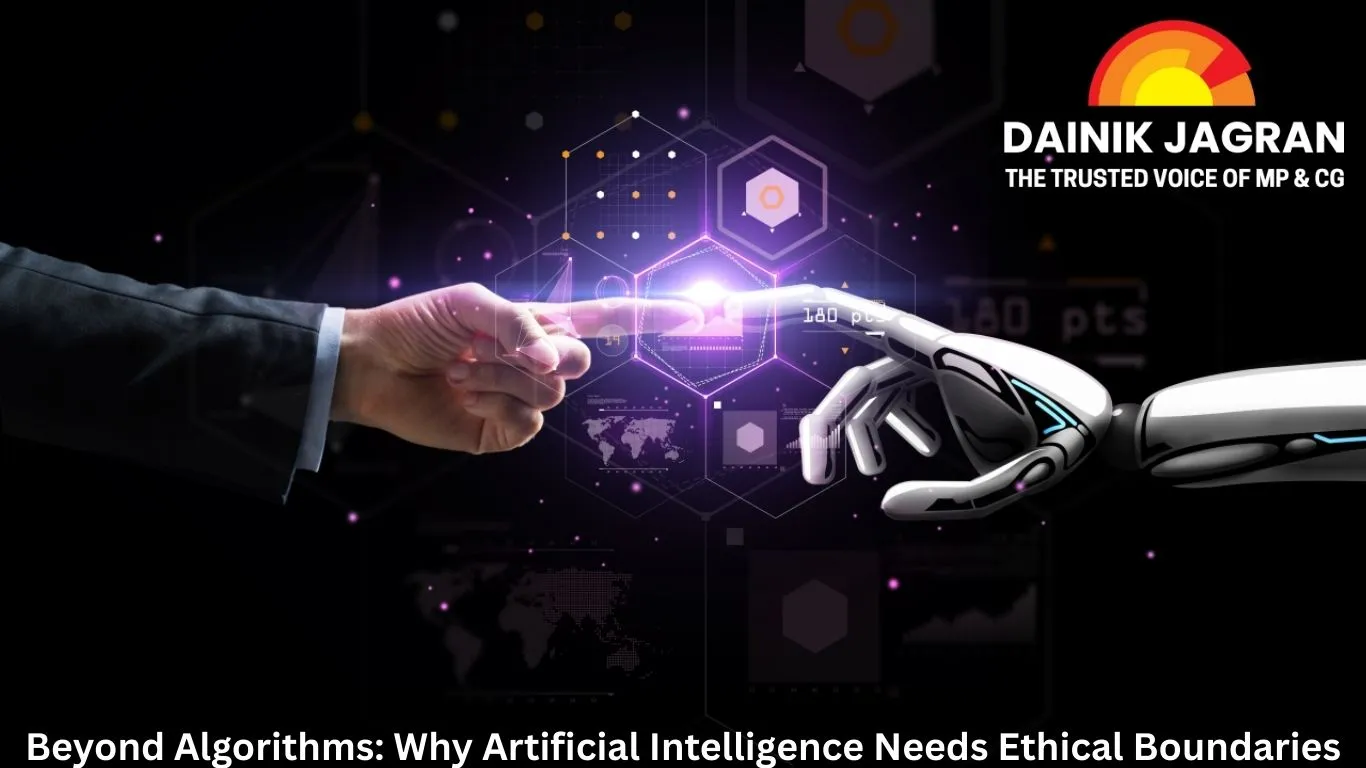
Recognizing these risks, governments, researchers and technology leaders across the world are calling for ethical frameworks. These include principles such as transparency, human oversight, fairness and accountability. The aim is not to stop innovation, but to ensure that technology serves humanity rather than controls it.
Ethical boundaries can help balance progress with protection. Just as laws govern medicine, finance and industry, AI too requires clear rules to prevent misuse. Innovation without responsibility may lead to efficiency, but not trust.
As AI becomes more powerful, the debate is no longer about whether boundaries are needed, but how soon they can be established. The future of technology may depend on the values we choose to program into it today.
.jpg)




