


From Indulgence to Essential: Why Self-Care Is No Longer a Luxury
Digital Desk
Modern lifestyles demand constant availability. Long working hours, blurred boundaries between work and personal life, and continuous exposure to screens have left many people physically exhausted and mentally strained. Health experts warn that ignoring personal well-being can lead to burnout, anxiety and chronic health problems.
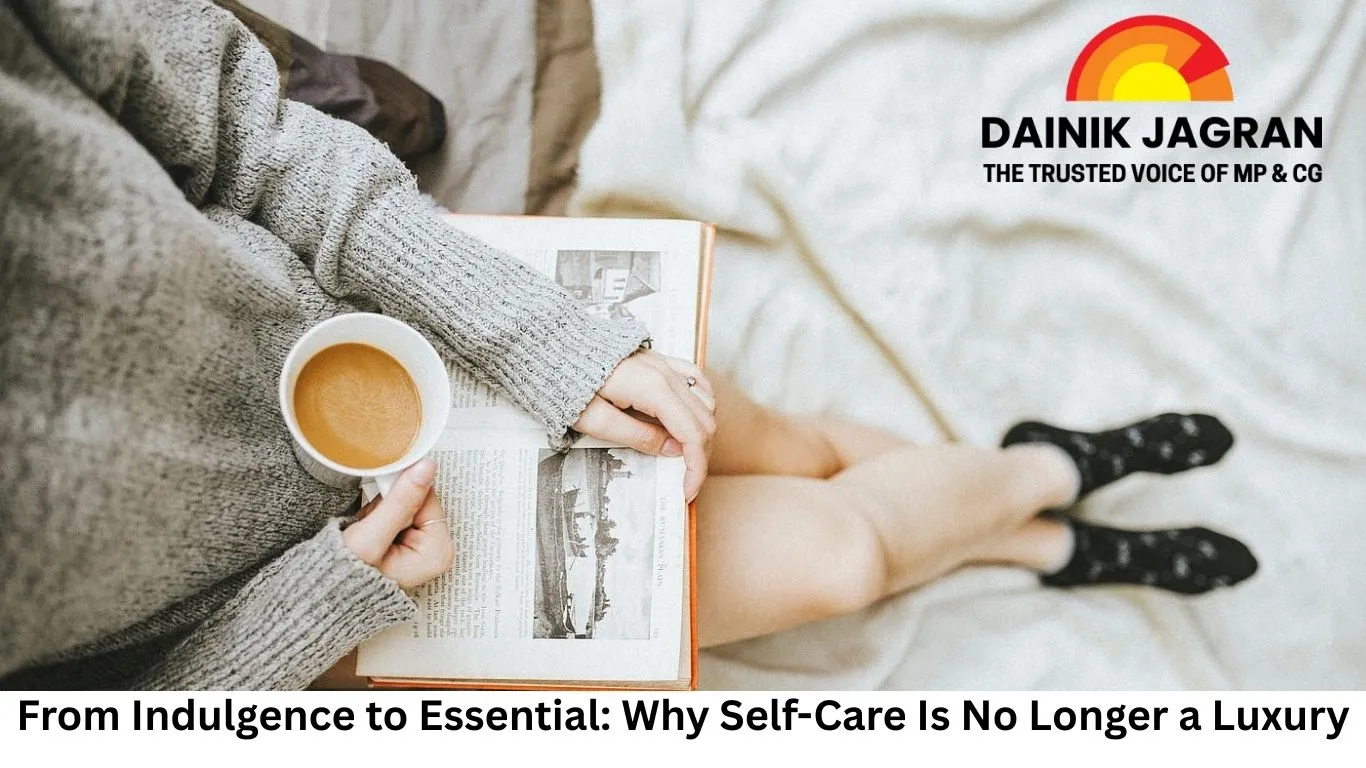
Self-care, in its true sense, is not limited to spa visits or expensive retreats. It includes simple, everyday practices such as adequate sleep, balanced nutrition, regular physical activity and taking breaks from digital devices. Mental self-care—setting boundaries, seeking support and managing stress—is equally important.
The COVID-19 pandemic further highlighted the importance of personal health. As people faced uncertainty, isolation and loss, the need to care for both mental and physical well-being became evident. Since then, conversations around stress management and emotional resilience have gained visibility in workplaces, schools and communities.
Employers are also beginning to recognize that employee well-being directly affects productivity. Flexible work hours, mental health days and wellness programs are slowly becoming part of organizational culture. Experts note that investing in self-care can reduce absenteeism and improve overall performance.
Economic realities also support the shift. Preventive care through healthy habits can reduce long-term medical expenses. By prioritizing well-being early, individuals may avoid serious health issues later, benefiting both families and healthcare systems.
However, access to self-care remains unequal. Time constraints, financial limitations and social stigma around mental health continue to pose challenges. Addressing these barriers through awareness and policy support is essential.
As life grows more demanding, self-care is no longer about pampering—it is about survival, balance and resilience. Recognizing it as a basic need may be the key to building healthier individuals and a more sustainable society.
.jpg)




