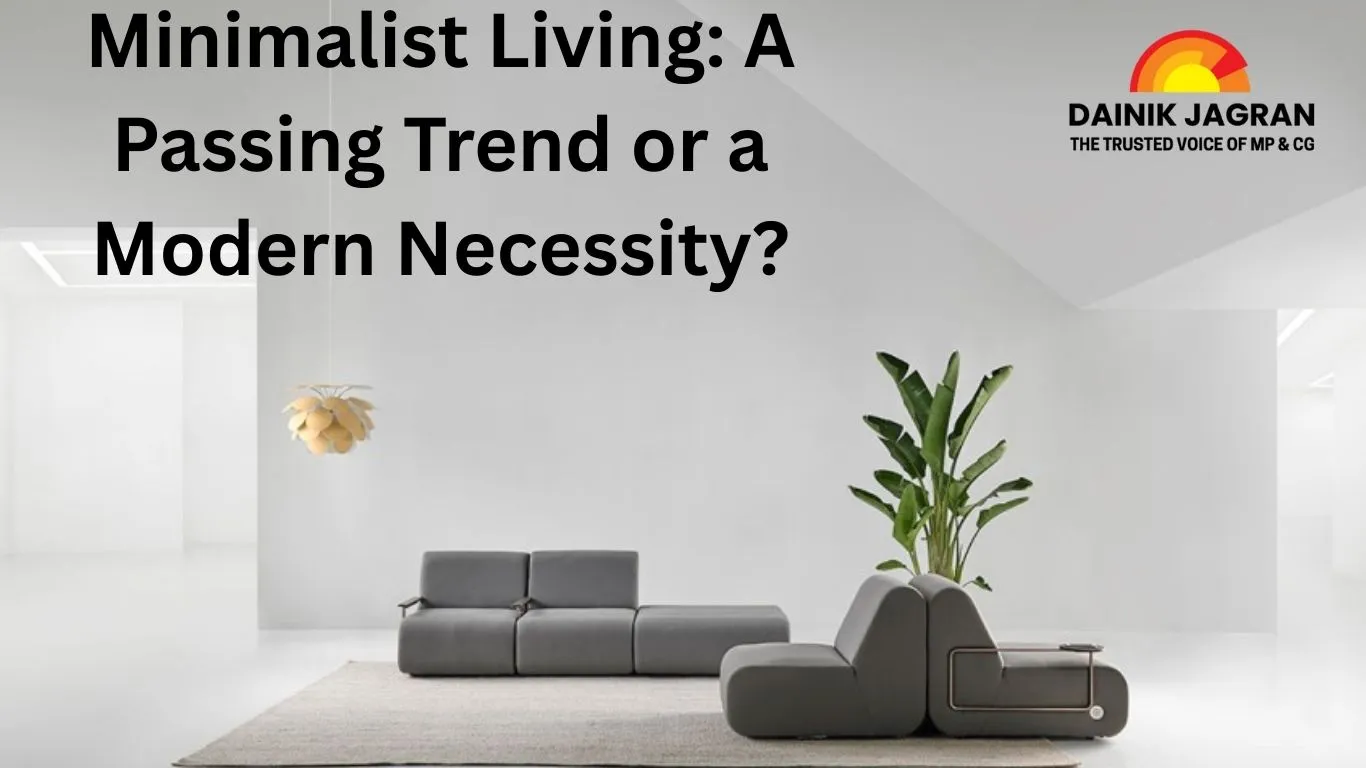
Minimalist Living: A Passing Trend or a Modern Necessity?
Ananya srivastava
Once seen as a niche lifestyle choice, minimalist living is now gaining mainstream attention across cities and communities. As homes grow smaller, expenses rise and mental stress increases, many are questioning whether minimalism is merely a trend driven by social media—or a genuine necessity for modern life.
Minimalist living focuses on reducing excess and prioritizing what truly matters. This does not mean living without comfort, but choosing quality over quantity. For many urban families, the shift begins with decluttering homes, limiting unnecessary purchases and simplifying daily routines.
Rising living costs have played a major role in this change. With inflation affecting housing, education and healthcare, households are becoming more conscious of spending. Minimalism encourages thoughtful consumption, helping families manage finances more effectively and avoid debt driven by impulse buying.
Mental well-being is another factor pushing people toward simpler lifestyles. Studies and experts suggest that cluttered environments can increase stress and anxiety. A cleaner, more organized living space often leads to better focus, calmness and improved work-life balance. As awareness of mental health grows, minimalism is being viewed as a practical tool for emotional clarity.
Environmental concerns are also influencing this movement. Excessive consumption contributes to waste and resource depletion. By buying less and using products longer, minimalist living supports sustainability and responsible use of resources. This aligns with global efforts to reduce environmental impact and promote eco-friendly habits.
However, critics argue that minimalism is sometimes marketed as a lifestyle trend accessible mainly to the privileged. Stylish minimal interiors and curated wardrobes on social media can make simplicity appear expensive and exclusive. Experts counter that true minimalism is not about aesthetics, but intention—making conscious choices regardless of income level.
As society rethinks its relationship with consumption, minimalist living appears to be more than a passing trend. For many, it is becoming a practical response to financial pressure, environmental responsibility and the search for mental peace. Whether by choice or necessity, minimalism is shaping how people define comfort and contentment in the modern age.

--------
🚨 Beat the News Rush – Join Now!
Get breaking alerts, hot exclusives, and game-changing stories instantly on your phone. No delays, no fluff – just the edge you need. ⚡
Tap to join:
🟢 WhatsApp Channel: Dainik Jagran MP CG
Crave more?
🅕 Facebook: Dainik Jagran MP CG English
🅧 Twitter (X): Dainik Jagran MP CG
🅘 Instagram: Dainik Jagran MP CG
Share the fire – keep your crew ahead! 🗞️🔥
Minimalist Living: A Passing Trend or a Modern Necessity?
Ananya srivastava
Minimalist living focuses on reducing excess and prioritizing what truly matters. This does not mean living without comfort, but choosing quality over quantity. For many urban families, the shift begins with decluttering homes, limiting unnecessary purchases and simplifying daily routines.
Rising living costs have played a major role in this change. With inflation affecting housing, education and healthcare, households are becoming more conscious of spending. Minimalism encourages thoughtful consumption, helping families manage finances more effectively and avoid debt driven by impulse buying.
Mental well-being is another factor pushing people toward simpler lifestyles. Studies and experts suggest that cluttered environments can increase stress and anxiety. A cleaner, more organized living space often leads to better focus, calmness and improved work-life balance. As awareness of mental health grows, minimalism is being viewed as a practical tool for emotional clarity.
Environmental concerns are also influencing this movement. Excessive consumption contributes to waste and resource depletion. By buying less and using products longer, minimalist living supports sustainability and responsible use of resources. This aligns with global efforts to reduce environmental impact and promote eco-friendly habits.
However, critics argue that minimalism is sometimes marketed as a lifestyle trend accessible mainly to the privileged. Stylish minimal interiors and curated wardrobes on social media can make simplicity appear expensive and exclusive. Experts counter that true minimalism is not about aesthetics, but intention—making conscious choices regardless of income level.
As society rethinks its relationship with consumption, minimalist living appears to be more than a passing trend. For many, it is becoming a practical response to financial pressure, environmental responsibility and the search for mental peace. Whether by choice or necessity, minimalism is shaping how people define comfort and contentment in the modern age.