The Forgotten Generation: Is India Ready for an Aging Population?
Digital desk
India's elderly population is growing rapidly, but healthcare, pensions, urban planning and social security remain inadequate. Why the country must prepare now for an aging society.
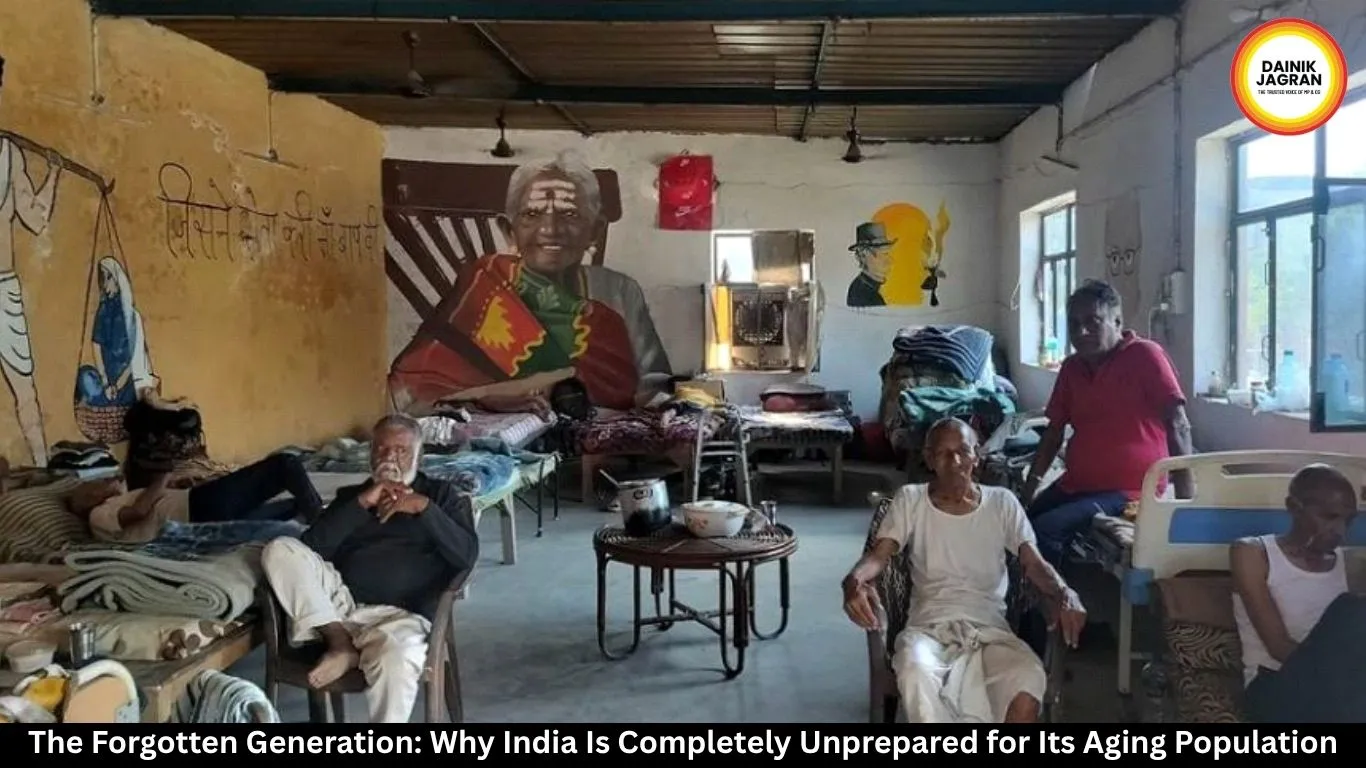
India is often described as the world's youngest major nation. Political speeches celebrate its demographic dividend, startups target young consumers, and government policies frequently revolve around education, employment and entrepreneurship. Yet, hidden behind this narrative is a rapidly growing population that receives far less attention—the elderly.
India is getting older, much faster than many people realise.
According to demographic projections, the number of Indians aged 60 and above is expected to rise sharply over the next two decades. Longer life expectancy and declining fertility rates mean that millions more people will enter old age, transforming India's social and economic landscape. Unfortunately, public policy, healthcare infrastructure and urban planning remain largely designed for a younger country.
The question is no longer whether India will become an aging society. The real question is whether the country is prepared for it.
Healthcare Built for Treatment, Not Aging
India's healthcare system continues to focus primarily on infectious diseases, maternal health and acute medical conditions. While these remain important priorities, the burden of chronic illnesses associated with aging—including dementia, Parkinson's disease, arthritis, cardiovascular disorders and diabetes—is increasing every year.
Specialised geriatric care is still limited outside major cities. Many district hospitals lack dedicated elderly care units, rehabilitation centres and trained geriatric specialists. Families often become the primary caregivers, even when they lack the financial resources or medical knowledge to manage complex health conditions.
As life expectancy rises, healthcare policy must shift from merely extending life to ensuring healthy and dignified aging.
The Pension Gap
Economic security is another growing concern.
A large proportion of India's workforce remains employed in the informal sector without pension coverage or retirement savings. For millions of senior citizens, financial dependence on children continues to be the only safety net.
This traditional family model, however, is under pressure. Migration, urbanisation and changing lifestyles have reduced the prevalence of joint families. Adult children frequently work in different cities or even abroad, leaving elderly parents to live alone with limited support.
Without stronger social security systems, an increasing number of older Indians could face financial insecurity despite having worked throughout their lives.
Cities That Ignore Senior Citizens
Modern Indian cities are rarely designed with elderly residents in mind.
Broken footpaths, inaccessible public transport, poorly lit streets, overcrowded hospitals and a lack of public seating make everyday life difficult for senior citizens. Even government offices and banks often lack age-friendly infrastructure.
An aging society requires accessible housing, barrier-free public spaces, safer pedestrian infrastructure and reliable community services. These improvements benefit not only older adults but also persons with disabilities, children and caregivers.
Urban planning should begin treating accessibility as an essential public investment rather than an optional feature.
The Silent Epidemic of Loneliness
Perhaps the least discussed challenge is emotional well-being.
Many elderly people today struggle with loneliness, isolation and depression. Retirement, the loss of a spouse, migration of children and shrinking social circles can significantly affect mental health. Yet psychological support for senior citizens remains limited, and conversations around loneliness continue to carry social stigma.
Community centres, senior activity programmes, volunteer networks and digital inclusion initiatives can help reduce isolation. Equally important is fostering greater social respect and meaningful engagement with older generations.
Preparing for Tomorrow Starts Today
India still has an opportunity to prepare before demographic pressures become overwhelming.
The country needs a comprehensive aging policy that goes beyond pensions. It must include expanded geriatric healthcare, long-term care insurance, caregiver support, age-friendly cities, accessible public transport, digital literacy for senior citizens and stronger social security mechanisms.
Businesses, too, must recognise that older adults represent a growing consumer segment requiring products and services tailored to their needs—from healthcare technologies to financial planning and assisted living solutions.
A Test of National Priorities
How a nation treats its elderly reflects the maturity of its development.
India rightly celebrates its young population as a source of economic strength. But development cannot be measured only by opportunities created for the young. It must also be judged by the dignity, security and quality of life provided to those who spent decades building the country.
Ignoring the challenges of aging today could create a social and economic crisis tomorrow. Preparing for an older India is no longer a matter of welfare—it is a matter of national planning.
The forgotten generation deserves more than gratitude. It deserves policies that recognise aging as one of India's defining challenges of the coming decades.

The Forgotten Generation: Is India Ready for an Aging Population?
Digital desk
India is often described as the world's youngest major nation. Political speeches celebrate its demographic dividend, startups target young consumers, and government policies frequently revolve around education, employment and entrepreneurship. Yet, hidden behind this narrative is a rapidly growing population that receives far less attention—the elderly.
India is getting older, much faster than many people realise.
According to demographic projections, the number of Indians aged 60 and above is expected to rise sharply over the next two decades. Longer life expectancy and declining fertility rates mean that millions more people will enter old age, transforming India's social and economic landscape. Unfortunately, public policy, healthcare infrastructure and urban planning remain largely designed for a younger country.
The question is no longer whether India will become an aging society. The real question is whether the country is prepared for it.
Healthcare Built for Treatment, Not Aging
India's healthcare system continues to focus primarily on infectious diseases, maternal health and acute medical conditions. While these remain important priorities, the burden of chronic illnesses associated with aging—including dementia, Parkinson's disease, arthritis, cardiovascular disorders and diabetes—is increasing every year.
Specialised geriatric care is still limited outside major cities. Many district hospitals lack dedicated elderly care units, rehabilitation centres and trained geriatric specialists. Families often become the primary caregivers, even when they lack the financial resources or medical knowledge to manage complex health conditions.
As life expectancy rises, healthcare policy must shift from merely extending life to ensuring healthy and dignified aging.
The Pension Gap
Economic security is another growing concern.
A large proportion of India's workforce remains employed in the informal sector without pension coverage or retirement savings. For millions of senior citizens, financial dependence on children continues to be the only safety net.
This traditional family model, however, is under pressure. Migration, urbanisation and changing lifestyles have reduced the prevalence of joint families. Adult children frequently work in different cities or even abroad, leaving elderly parents to live alone with limited support.
Without stronger social security systems, an increasing number of older Indians could face financial insecurity despite having worked throughout their lives.
Cities That Ignore Senior Citizens
Modern Indian cities are rarely designed with elderly residents in mind.
Broken footpaths, inaccessible public transport, poorly lit streets, overcrowded hospitals and a lack of public seating make everyday life difficult for senior citizens. Even government offices and banks often lack age-friendly infrastructure.
An aging society requires accessible housing, barrier-free public spaces, safer pedestrian infrastructure and reliable community services. These improvements benefit not only older adults but also persons with disabilities, children and caregivers.
Urban planning should begin treating accessibility as an essential public investment rather than an optional feature.
The Silent Epidemic of Loneliness
Perhaps the least discussed challenge is emotional well-being.
Many elderly people today struggle with loneliness, isolation and depression. Retirement, the loss of a spouse, migration of children and shrinking social circles can significantly affect mental health. Yet psychological support for senior citizens remains limited, and conversations around loneliness continue to carry social stigma.
Community centres, senior activity programmes, volunteer networks and digital inclusion initiatives can help reduce isolation. Equally important is fostering greater social respect and meaningful engagement with older generations.
Preparing for Tomorrow Starts Today
India still has an opportunity to prepare before demographic pressures become overwhelming.
The country needs a comprehensive aging policy that goes beyond pensions. It must include expanded geriatric healthcare, long-term care insurance, caregiver support, age-friendly cities, accessible public transport, digital literacy for senior citizens and stronger social security mechanisms.
Businesses, too, must recognise that older adults represent a growing consumer segment requiring products and services tailored to their needs—from healthcare technologies to financial planning and assisted living solutions.
A Test of National Priorities
How a nation treats its elderly reflects the maturity of its development.
India rightly celebrates its young population as a source of economic strength. But development cannot be measured only by opportunities created for the young. It must also be judged by the dignity, security and quality of life provided to those who spent decades building the country.
Ignoring the challenges of aging today could create a social and economic crisis tomorrow. Preparing for an older India is no longer a matter of welfare—it is a matter of national planning.
The forgotten generation deserves more than gratitude. It deserves policies that recognise aging as one of India's defining challenges of the coming decades.

Recommended For You
--------
๐จ Beat the News Rush โ Join Now!
Get breaking alerts, hot exclusives, and game-changing stories instantly on your phone. No delays, no fluff โ just the edge you need. โก
Tap to join:ย
๐ข WhatsApp Channel: Dainik Jagran MP CG
Crave more?
๐ Facebook: Dainik Jagran MP CG English
๐ ง Twitter (X): Dainik Jagran MP CG
๐ Instagram: Dainik Jagran MP CG
Share the fire โ keep your crew ahead! ๐๏ธ๐ฅ