Trump Signs New Birthright Citizenship Executive Orders: Impact, Birth Tourism Rules Explained
Digital desk
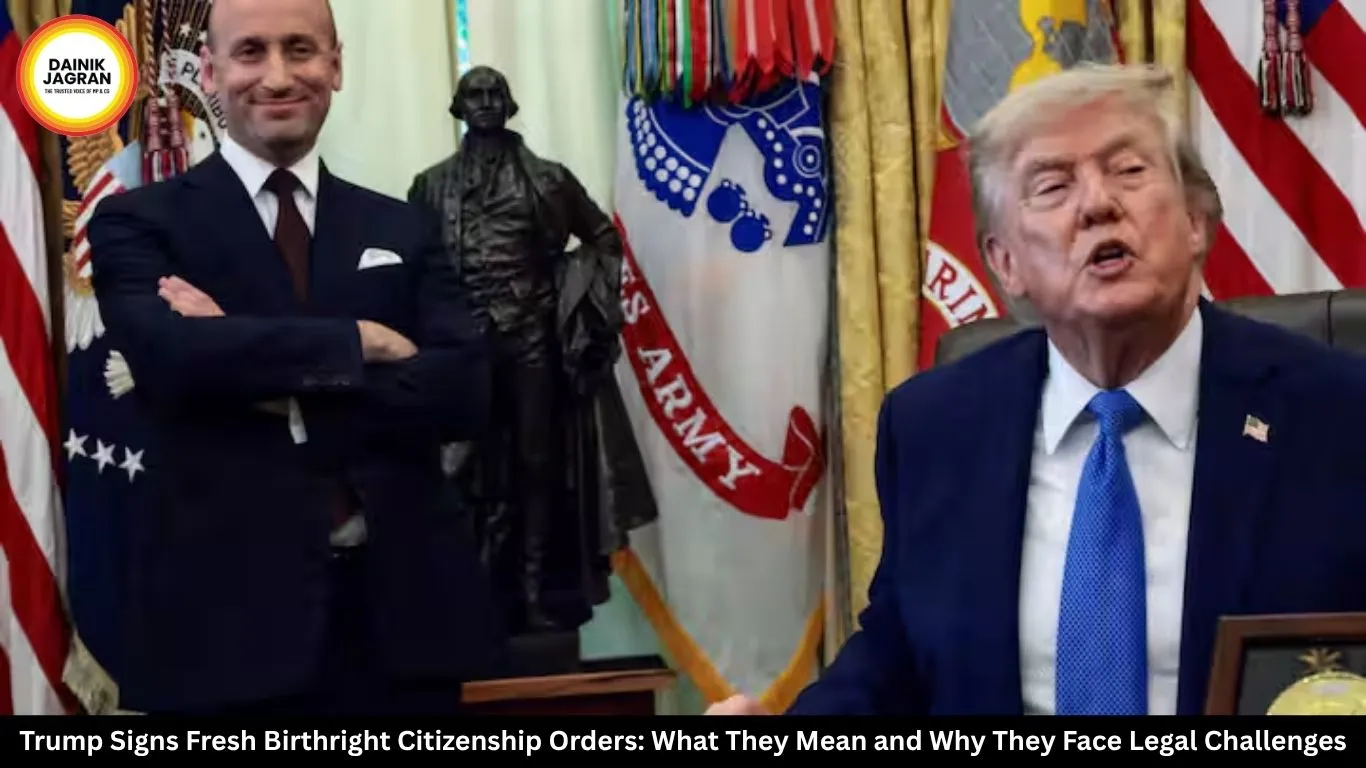
US President Donald Trump signs new executive orders restricting birthright citizenship and targeting birth tourism. Here's what the orders mean, their impact on Indians, and why legal challenges are expected.
US President Donald Trump has signed two new executive orders aimed at restricting birthright citizenship and curbing so-called "birth tourism", renewing one of the most contentious immigration debates in the United States. The move comes weeks after the US Supreme Court blocked an earlier attempt by the Trump administration to limit automatic citizenship for children born on American soil.
The latest executive actions seek to broaden the categories of children who would be denied automatic US citizenship and tighten scrutiny of foreign nationals travelling to the United States to give birth.
New Restrictions on Birthright Citizenship
The first executive order expands the list of people whose US-born children may not automatically qualify for citizenship.
According to the White House, the order includes children born to individuals identified as members of foreign terrorist organisations, certain foreign government representatives, "alien enemies" of the United States, and individuals accused of obtaining immigration benefits through fraud.
The administration has argued that the existing interpretation of birthright citizenship is being misused and requires stricter enforcement.
Crackdown on Birth Tourism
The second executive order targets birth tourism—the practice of travelling to the United States primarily to give birth so that the child automatically acquires American citizenship.
The order directs federal agencies to identify and take action against organisers facilitating such travel. It also instructs US visa officials to increase scrutiny of visitor visa applicants where birth tourism is suspected.
Officials have indicated that visa officers may reject applications if they believe the primary purpose of travel is childbirth, even without formal evidence.
Legal Challenges Expected
The executive orders are already facing criticism from immigration experts and civil rights organisations.
The American Civil Liberties Union (ACLU) said the orders are unconstitutional, arguing that the 14th Amendment guarantees citizenship to nearly everyone born in the United States regardless of their parents' immigration status.
Legal experts expect multiple lawsuits to be filed immediately, similar to the legal challenges that blocked Trump's previous executive order on birthright citizenship earlier this year.
Impact on Indians
The latest executive orders are not expected to directly affect Indian professionals living in the United States on H-1B, L-1, student or other long-term visas.
However, Indian nationals applying for short-term visitor visas could face increased questioning if authorities suspect travel is intended for childbirth.
Immigration lawyers say the policy could result in longer visa processing times and greater uncertainty for pregnant applicants seeking tourist visas.
Why the Issue Matters
Trump has repeatedly argued that birthright citizenship, guaranteed under the 14th Amendment since 1868, was originally intended to protect the rights of formerly enslaved people and is now being exploited through birth tourism.
Supporters of the administration say the measures are necessary to strengthen immigration enforcement and prevent abuse of the system.
Opponents, however, contend that executive orders cannot override constitutional protections and maintain that any fundamental change to birthright citizenship would require either a constitutional amendment or a definitive ruling by the US Supreme Court.
With fresh legal battles expected, the future of Trump's latest birthright citizenship orders is likely to be decided in the courts before any major policy changes take effect.
Trump Signs New Birthright Citizenship Executive Orders: Impact, Birth Tourism Rules Explained
Digital desk
US President Donald Trump has signed two new executive orders aimed at restricting birthright citizenship and curbing so-called "birth tourism", renewing one of the most contentious immigration debates in the United States. The move comes weeks after the US Supreme Court blocked an earlier attempt by the Trump administration to limit automatic citizenship for children born on American soil.
The latest executive actions seek to broaden the categories of children who would be denied automatic US citizenship and tighten scrutiny of foreign nationals travelling to the United States to give birth.
New Restrictions on Birthright Citizenship
The first executive order expands the list of people whose US-born children may not automatically qualify for citizenship.
According to the White House, the order includes children born to individuals identified as members of foreign terrorist organisations, certain foreign government representatives, "alien enemies" of the United States, and individuals accused of obtaining immigration benefits through fraud.
The administration has argued that the existing interpretation of birthright citizenship is being misused and requires stricter enforcement.
Crackdown on Birth Tourism
The second executive order targets birth tourism—the practice of travelling to the United States primarily to give birth so that the child automatically acquires American citizenship.
The order directs federal agencies to identify and take action against organisers facilitating such travel. It also instructs US visa officials to increase scrutiny of visitor visa applicants where birth tourism is suspected.
Officials have indicated that visa officers may reject applications if they believe the primary purpose of travel is childbirth, even without formal evidence.
Legal Challenges Expected
The executive orders are already facing criticism from immigration experts and civil rights organisations.
The American Civil Liberties Union (ACLU) said the orders are unconstitutional, arguing that the 14th Amendment guarantees citizenship to nearly everyone born in the United States regardless of their parents' immigration status.
Legal experts expect multiple lawsuits to be filed immediately, similar to the legal challenges that blocked Trump's previous executive order on birthright citizenship earlier this year.
Impact on Indians
The latest executive orders are not expected to directly affect Indian professionals living in the United States on H-1B, L-1, student or other long-term visas.
However, Indian nationals applying for short-term visitor visas could face increased questioning if authorities suspect travel is intended for childbirth.
Immigration lawyers say the policy could result in longer visa processing times and greater uncertainty for pregnant applicants seeking tourist visas.
Why the Issue Matters
Trump has repeatedly argued that birthright citizenship, guaranteed under the 14th Amendment since 1868, was originally intended to protect the rights of formerly enslaved people and is now being exploited through birth tourism.
Supporters of the administration say the measures are necessary to strengthen immigration enforcement and prevent abuse of the system.
Opponents, however, contend that executive orders cannot override constitutional protections and maintain that any fundamental change to birthright citizenship would require either a constitutional amendment or a definitive ruling by the US Supreme Court.
With fresh legal battles expected, the future of Trump's latest birthright citizenship orders is likely to be decided in the courts before any major policy changes take effect.

Recommended For You
--------
๐จ Beat the News Rush โ Join Now!
Get breaking alerts, hot exclusives, and game-changing stories instantly on your phone. No delays, no fluff โ just the edge you need. โก
Tap to join:ย
๐ข WhatsApp Channel: Dainik Jagran MP CG
Crave more?
๐ Facebook: Dainik Jagran MP CG English
๐ ง Twitter (X): Dainik Jagran MP CG
๐ Instagram: Dainik Jagran MP CG
Share the fire โ keep your crew ahead! ๐๏ธ๐ฅ