



Amalaki Ekadashi 2026: Date, Parana Time, and the Sacred Rituals You Need to Know
Digital Desk
Amalaki Ekadashi 2026: Date, Parana Time, and the Sacred Rituals You Need to Know
As the winter chill fades and the first whispers of spring color the air, the Hindu calendar brings forward one of its most spiritually potent days: Amalaki Ekadashi 2026.With just days to go, devotees are preparing to observe this sacred fast on Friday, February 27, a day believed to wash away sins and bring devotees closer to Lord Vishnu .
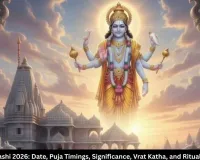
This Ekadashi, observed on the 11th day (Shukla Paksha) of the Phalgun month, holds a unique place in the hearts of the faithful. It is not just a fast; it is a celebration of nature and divinity, marked by the worship of the Amla (Indian Gooseberry) tree, in which Lord Vishnu is said to reside .
The Divine Timing: Tithi and Muhurat
According to the Drik Panchang, the Amalaki Ekadashi 2026tithi begins at 12:33 AM on February 27and concludes at 10:32 PM on the same day. Consequently, the fast will be observed on February 27 .
For those observing the vrat, the most critical moment is the Parana (breaking the fast). Devotees should break their fast on the morning of Saturday, February 28, specifically during the Parana window of 06:47 AM to 09:06 AM. It is essential to break the fast within this Dwadashi tithi window to gain the full spiritual merit of the observance .
This year, the alignment of stars adds an extra layer of auspiciousness. Devotees will benefit from the formation of four significant yogas: Sarvartha Siddhi, Ravi, Ayushman, and Saubhagya Yoga, making any prayer and donation exponentially more fruitful .
The Sacred Connection: Vishnu, Shiva, and the Amla Tree
What makes Amalaki Ekadashifascinating is its dual celebration of divinity. While the primary focus remains on Lord Vishnu—rooted in the Padma Purana narrative where a drop of Vishnu's divine spit created the Amla tree—the day is also celebrated as Rangbhari Ekadashiin North India, particularly in Varanasi .
This convergence links Vishnu’s energy with that of Lord Shiva and Goddess Parvati. Mythology states that this was the day a newly-wed Shiva brought Parvati home to Kashi for the first time (the 'Gauna' ceremony), and the gods celebrated by playing with colors. Thus, Amalaki Ekadashi 2026officially sounds the bugle for the Holi festivities, blending solemn vows with the promise of joy .
Rituals for the Modern Devotee
To observe this day correctly, you don't need to be a scholar. Here is a simple guide to the Amalaki Ekadashi Vratbased on expert recommendations :
- The Sankalp (Vow):Wake up during Brahma Muhurta (before sunrise) and take a holy bath. Wear clean, preferably yellow, clothes and take a vow to observe the fast with dedication .
- Worship of the Amla Tree:If you have access to an Amla or Gooseberry tree, worship it by offering water, incense, flowers, and applying a tilak. Circumambulate the tree while chanting Vishnu mantras. If a tree isn't available, you can place an Amla branch or fruit near your idol of Lord Vishnu or worship the Tulsi plant .
- Puja Vidhi:Perform the Abhishekam of Lord Vishnu with milk and Ganga water using a conch shell. Offer sandalwood paste, tulsi leaves, and the sacred Amla fruit. Chant the "Om Namo Bhagavate Vasudevaya" mantra .
- Fasting Guidelines:A strict fast involves avoiding all grains and rice. Devotees can consume fruits, milk, and root vegetables. Many opt for a Nirjala (without water) fast, though it is recommended only for the physically fit. Consuming Amla-based dishes is considered highly meritorious .
The Enduring Message of the Vrat Katha
The power of this day is beautifully illustrated in the Amalaki Ekadashi Vrat Katha. As Lord Krishna narrated to Yudhishthira, the Amla tree embodies the trinity itself—Vishnu at the root, Brahma in the branch, and Shiva in the trunk. The story of the hunter who accidentally spent the night under the Amla tree and attained salvation reminds us that even unintentional acts of faith, when backed by the purity of the day, can lead to liberation .
As Amalaki Ekadashi 2026approaches, it offers a moment to pause. Whether you seek Moksha (liberation), prosperity, or simply a moment of peace before the colors of Holi take over, the path leads to the shade of the Amla tree. Mark your calendars, set your alarms for the Parana time, and prepare to welcome the divine into your home.
Disclaimer:Times and rituals are based on general Hindu calendrical calculations and scriptures as reported by various sources. Individual beliefs and practices may vary. Readers are advised to consult their local priest or panchang for specific guidance.


.jpg)




