

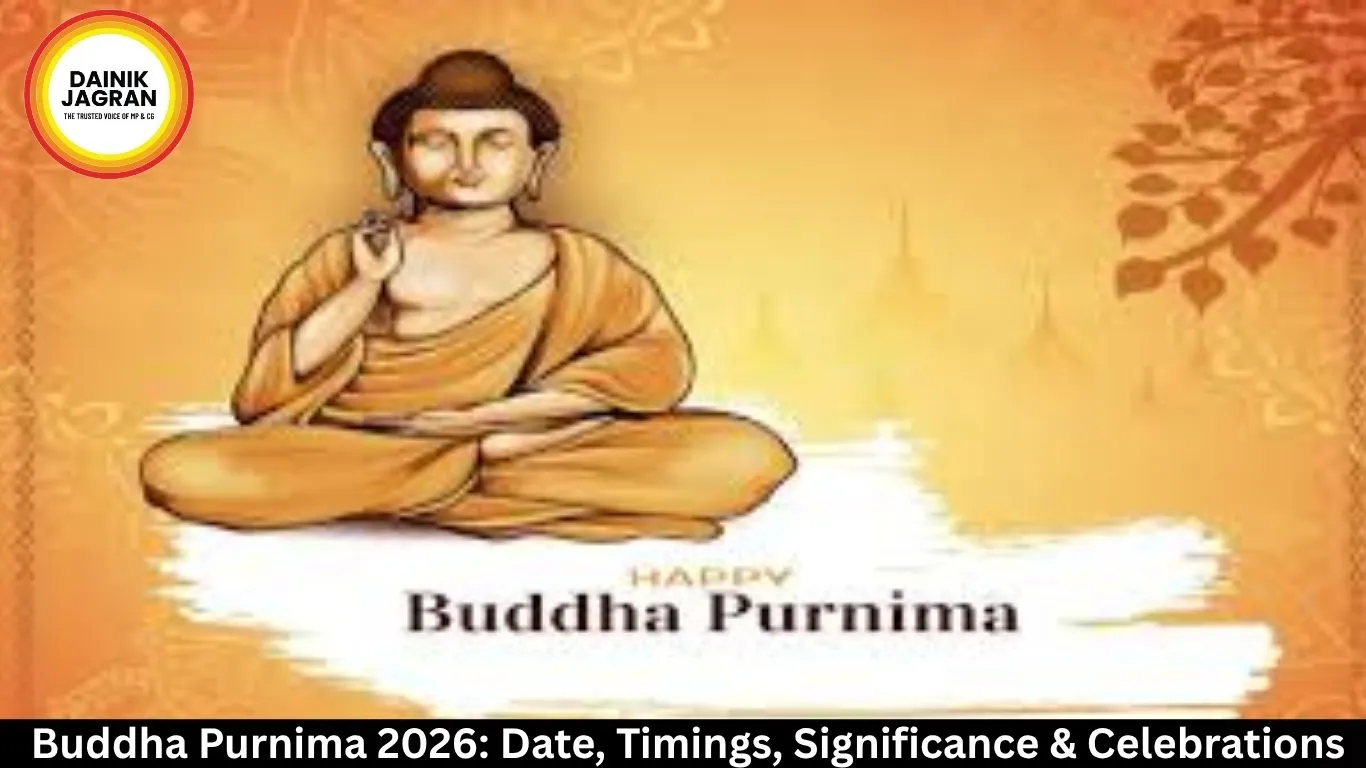
Buddha Purnima 2026: Date, Timings, Significance & Celebrations

Digital Desk

 Buddha Purnima 2026: Date, Timings, Significance & Celebrations

 Buddha Purnima 2026 observed on May 1 marks the 2588th birth anniversary of Gautama Buddha. Know Purnima tithi timings, rituals at Bodh Gaya and Lumbini, and how devotees celebrated the triple sacred occasion of birth, enlightenment, and Mahaparinirvana across India and abroad.


Buddha Purnima 2026: Devotees Mark Triple Sacred Occasion on Vaishakh Full Moon

Buddha Purnima celebrations across India and Buddhist nations highlight teachings of compassion and non-violence as devotees gather at holy sites on May 1.

As the full moon rose over sacred landscapes on Friday, thousands of devotees observed Buddha Purnima 2026, commemorating the birth, enlightenment, and Mahaparinirvana of Gautama Buddha. The festival, also known as Buddha Jayanti or Vesak, fell on May 1 this year, marking the 2588th birth anniversary of the Enlightened One.

Purnima Tithi began at around 9:12-9:13 PM on April 30 and ended at approximately 10:52-10:53 PM on May 1, according to panchang timings referenced for Ujjain and other locations. With sunrise at 5:57 AM and sunset at 6:50 PM in Ujjain, the day carried special spiritual weight, coinciding with a Friday considered auspicious in several traditions.

Sacred Convergence of Three Events

Buddha Purnima stands unique because it unites three pivotal milestones in Buddha’s life on the same lunar day. Prince Siddhartha was born in Lumbini (present-day Nepal). He attained enlightenment under the Bodhi tree in Bodh Gaya after years of meditation. Decades later, he entered Mahaparinirvana in Kushinagar, attaining final liberation from the cycle of rebirth.

In many parts of northern India, Buddha is also revered as the ninth avatar of Lord Vishnu, adding a layer of cultural resonance within Hindu traditions alongside Buddhist observances.

Ground-Level Observances in India

Early morning prayers and special pujas began at major pilgrimage centres. In Bodh Gaya, Bihar, devotees converged at the Mahabodhi Temple complex, a UNESCO World Heritage Site. Monks and lay followers offered flowers, incense, and lighted lamps around the Bodhi tree. Chanting of sutras echoed through the premises as visitors sat in quiet meditation.

Local authorities in Bihar and Uttar Pradesh reported heightened security and crowd management at Sarnath near Varanasi — where Buddha delivered his first sermon — and in Kushinagar. Processions with tableaux depicting scenes from Buddha’s life were organised in several cities.

In Sikkim, Ladakh, and parts of Maharashtra and West Bengal, cultural programmes, meditation sessions, and community events marked the day. Buddha Purnima remained a gazetted holiday in multiple states, including Bihar, West Bengal, Maharashtra, and Sikkim, with government offices, schools, and many businesses closed.

Devotees followed common rituals: bathing Buddha statues with scented water to symbolise purity, offering food and clothes in charity, and maintaining vegetarian diets. Many wore white clothes and released caged birds as gestures of compassion.

International Celebrations

Neighbouring Nepal witnessed grand festivities in Lumbini, Buddha’s birthplace. Monasteries were adorned with prayer flags and lights. Devotees gathered for chanting and meditation sessions.

In Sri Lanka, the festival is observed as Vesak with colourful lanterns (Vesak koodu) decorating homes and streets, along with illuminated pandals narrating Buddha’s life stories. Similar enthusiasm marked the day in Thailand, Myanmar, and Bhutan, where temple visits, alms-giving, and acts of kindness took centre stage.

Teachings Remain Relevant

Sources familiar with Buddhist organisations noted that this year’s observance carried added emphasis on inner peace and ethical living amid contemporary challenges. Buddha’s core message — the Four Noble Truths and the Noble Eightfold Path — continues to guide followers towards mindfulness and non-violence.

Officials in Bodh Gaya said footfall at the Mahabodhi Temple was significant, with visitors from across India and abroad participating in prayers late into the evening. Initial reports indicated smooth conduct of events with community support.

 Public Impact and Participation

For many urban families in cities like Delhi, Mumbai, and Kolkata, the day offered a chance for quiet reflection. Buddha Jayanti Park in the capital and similar venues hosted programmes. Acts of charity, blood donation camps, and free medical camps were organised at several places, reflecting the spirit of generosity.

In some regions, the festival coincided with other observances, including Kurma Jayanti, adding to the spiritual calendar of the Vaishakh month.

As the moon continued its journey on Friday evening, temples remained open for special discourses. Monks reminded gatherings that true celebration lies not just in rituals but in practising compassion in daily life.

Looking ahead, preparations for future events at key pilgrimage sites are already underway, with authorities focusing on better infrastructure for the growing number of international visitors. Buddha Purnima 2026 served as a timely reminder of the enduring power of Buddha’s message in promoting harmony in a diverse world


--------

๐Ÿšจ Beat the News Rush โ€“ Join Now!

Get breaking alerts, hot exclusives, and game-changing stories instantly on your phone. No delays, no fluff โ€“ just the edge you need. โšก

Tap to join:ย 

๐ŸŸข WhatsApp Channel: Dainik Jagran MP CG

Crave more?

๐Ÿ…• Facebook: Dainik Jagran MP CG English

๐Ÿ…ง Twitter (X): Dainik Jagran MP CG

๐Ÿ…˜ Instagram: Dainik Jagran MP CG

Share the fire โ€“ keep your crew ahead! ๐Ÿ—ž๏ธ๐Ÿ”ฅ

english.dainikjagranmpcg.com
01 May 2026 By Abhishek Joshi

Buddha Purnima 2026: Date, Timings, Significance & Celebrations

Digital Desk

Buddha Purnima 2026: Devotees Mark Triple Sacred Occasion on Vaishakh Full Moon

Buddha Purnima celebrations across India and Buddhist nations highlight teachings of compassion and non-violence as devotees gather at holy sites on May 1.

As the full moon rose over sacred landscapes on Friday, thousands of devotees observed Buddha Purnima 2026, commemorating the birth, enlightenment, and Mahaparinirvana of Gautama Buddha. The festival, also known as Buddha Jayanti or Vesak, fell on May 1 this year, marking the 2588th birth anniversary of the Enlightened One.

Purnima Tithi began at around 9:12-9:13 PM on April 30 and ended at approximately 10:52-10:53 PM on May 1, according to panchang timings referenced for Ujjain and other locations. With sunrise at 5:57 AM and sunset at 6:50 PM in Ujjain, the day carried special spiritual weight, coinciding with a Friday considered auspicious in several traditions.

Sacred Convergence of Three Events

Buddha Purnima stands unique because it unites three pivotal milestones in Buddha’s life on the same lunar day. Prince Siddhartha was born in Lumbini (present-day Nepal). He attained enlightenment under the Bodhi tree in Bodh Gaya after years of meditation. Decades later, he entered Mahaparinirvana in Kushinagar, attaining final liberation from the cycle of rebirth.

In many parts of northern India, Buddha is also revered as the ninth avatar of Lord Vishnu, adding a layer of cultural resonance within Hindu traditions alongside Buddhist observances.

Ground-Level Observances in India

Early morning prayers and special pujas began at major pilgrimage centres. In Bodh Gaya, Bihar, devotees converged at the Mahabodhi Temple complex, a UNESCO World Heritage Site. Monks and lay followers offered flowers, incense, and lighted lamps around the Bodhi tree. Chanting of sutras echoed through the premises as visitors sat in quiet meditation.

Local authorities in Bihar and Uttar Pradesh reported heightened security and crowd management at Sarnath near Varanasi — where Buddha delivered his first sermon — and in Kushinagar. Processions with tableaux depicting scenes from Buddha’s life were organised in several cities.

In Sikkim, Ladakh, and parts of Maharashtra and West Bengal, cultural programmes, meditation sessions, and community events marked the day. Buddha Purnima remained a gazetted holiday in multiple states, including Bihar, West Bengal, Maharashtra, and Sikkim, with government offices, schools, and many businesses closed.

Devotees followed common rituals: bathing Buddha statues with scented water to symbolise purity, offering food and clothes in charity, and maintaining vegetarian diets. Many wore white clothes and released caged birds as gestures of compassion.

International Celebrations

Neighbouring Nepal witnessed grand festivities in Lumbini, Buddha’s birthplace. Monasteries were adorned with prayer flags and lights. Devotees gathered for chanting and meditation sessions.

In Sri Lanka, the festival is observed as Vesak with colourful lanterns (Vesak koodu) decorating homes and streets, along with illuminated pandals narrating Buddha’s life stories. Similar enthusiasm marked the day in Thailand, Myanmar, and Bhutan, where temple visits, alms-giving, and acts of kindness took centre stage.

Teachings Remain Relevant

Sources familiar with Buddhist organisations noted that this year’s observance carried added emphasis on inner peace and ethical living amid contemporary challenges. Buddha’s core message — the Four Noble Truths and the Noble Eightfold Path — continues to guide followers towards mindfulness and non-violence.

Officials in Bodh Gaya said footfall at the Mahabodhi Temple was significant, with visitors from across India and abroad participating in prayers late into the evening. Initial reports indicated smooth conduct of events with community support.

 Public Impact and Participation

For many urban families in cities like Delhi, Mumbai, and Kolkata, the day offered a chance for quiet reflection. Buddha Jayanti Park in the capital and similar venues hosted programmes. Acts of charity, blood donation camps, and free medical camps were organised at several places, reflecting the spirit of generosity.

In some regions, the festival coincided with other observances, including Kurma Jayanti, adding to the spiritual calendar of the Vaishakh month.

As the moon continued its journey on Friday evening, temples remained open for special discourses. Monks reminded gatherings that true celebration lies not just in rituals but in practising compassion in daily life.

Looking ahead, preparations for future events at key pilgrimage sites are already underway, with authorities focusing on better infrastructure for the growing number of international visitors. Buddha Purnima 2026 served as a timely reminder of the enduring power of Buddha’s message in promoting harmony in a diverse world


https://english.dainikjagranmpcg.com/religion/-buddha-purnima-2026-date-timings-significance-celebrations/article-17645

Related Posts

Latest News


