Sankashti Chaturthi 2026: Date, Moonrise Timings, Puja Muhurat, Rituals and Significance

Digital Desk

Sankashti Chaturthi 2026: Date, Moonrise Timings, Puja Muhurat, Rituals and Significance

Sankashti Chaturthi will be observed on August 2, 2026. Check Chaturthi Tithi timings, moonrise time, puja rituals, fasting rules and the significance of Lord Ganesha's monthly vrat.

Devotees of Lord Ganesha across India will observe Sankashti Chaturthi on Sunday, August 2, 2026, with prayers, fasting and moon worship dedicated to the remover of obstacles. The monthly Hindu observance is considered highly auspicious for seeking prosperity, wisdom and relief from difficulties.

According to the Hindu Panchang, the Chaturthi Tithi will begin at 11:07 PM on August 1 and conclude at 11:15 PM on August 2. Since the Chaturthi Tithi prevails during the fasting period on August 2, devotees will observe the vrat on Sunday.

Moonrise Timing Important for Vrat

The fast is traditionally broken only after sighting the moon and offering prayers to Lord Ganesha. As per the timings for Ujjain, Madhya Pradesh, the moonrise is expected at 9:26 PM, while sunrise will be at 6:01 AM and sunset at 7:04 PM.

The exact moonrise timing may vary slightly depending on the devotee's location.

Significance of Sankashti Chaturthi

Sankashti Chaturthi is observed every month on the Krishna Paksha Chaturthi, the fourth day of the waning phase of the Moon. The word 'Sankashti' means freedom from troubles, while 'Chaturthi' refers to the fourth lunar day.

The festival is dedicated to Lord Ganesha, who is revered as the deity of wisdom, prosperity and success. Devotees believe that observing this fast with faith helps remove obstacles, brings peace and fulfils wishes. Childless couples also observe the vrat, praying for the blessing of children.

When Sankashti Chaturthi falls on a Tuesday, it is celebrated as Angarki Chaturthi, which is regarded as the most auspicious among all Sankashti observances.

How Devotees Observe the Fast

On the day of Sankashti Chaturthi, devotees wake up early, take a ritual bath and begin the fast after offering prayers to Lord Ganesha. Many observe a strict fast throughout the day, while others consume only fruits and vrat-approved foods such as sabudana, potatoes, peanuts and other non-grain preparations.

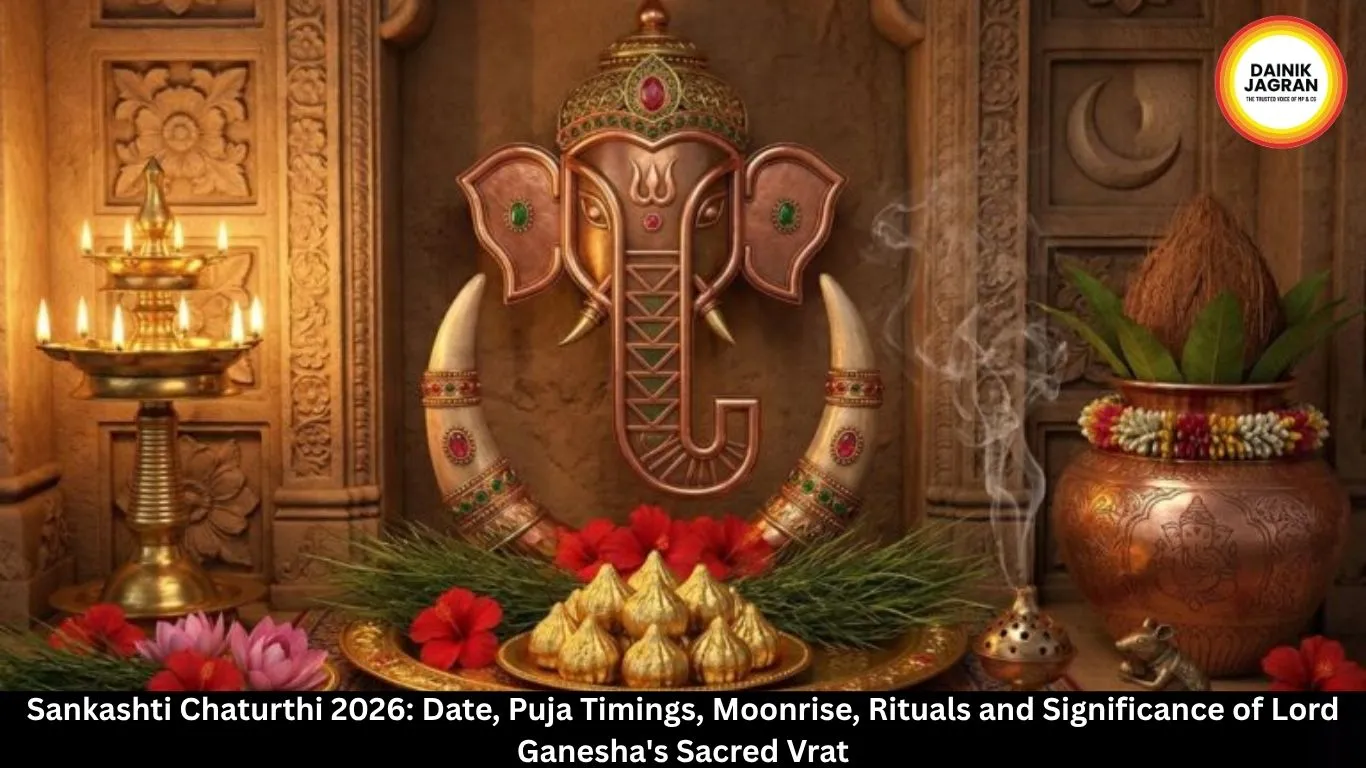
The evening puja is performed after moonrise. During the ritual, Lord Ganesha's idol is decorated with Durva grass, fresh flowers and sandalwood paste, followed by the lighting of lamps and incense. Devotees chant sacred hymns such as the Ganesha Ashtottara, Sankashtnashana Stotra and Vakratunda Mahakaya before reading the monthly Sankashti Vrat Katha.

Special offerings including Modaks, fruits and other favourite sweets of Lord Ganesha are presented before the aarti. Devotees also offer water, flowers, rice and sandalwood to the Moon before concluding the fast.

Different Forms of Lord Ganesha

Each monthly Sankashti Chaturthi is associated with a different form of Lord Ganesha. During the Shravana month, devotees worship Heramba Maha Ganapati, who is associated with the Ganapati Peeta.

Hindu scriptures, including the Bhavishya Purana and Narasimha Purana, describe the spiritual importance of this vrat. According to tradition, Lord Krishna himself explained the significance of Sankashti Chaturthi to Yudhishthira, highlighting its role in overcoming obstacles and attaining prosperity.

Festival Celebrated Across India

The festival is observed throughout India, with particularly elaborate celebrations in Maharashtra, as well as in several southern states where it is popularly known as Sankatahara Chaturthi. Temples dedicated to Lord Ganesha witness large gatherings of devotees who participate in special prayers and evening aarti.

With the monthly observance falling on August 2, devotees are expected to visit temples, observe the sacred fast and offer prayers after moonrise, seeking Lord Ganesha's blessings for success, happiness and freedom from life's obstacles.
 

--------

๐Ÿšจ Beat the News Rush โ€“ Join Now!

Get breaking alerts, hot exclusives, and game-changing stories instantly on your phone. No delays, no fluff โ€“ just the edge you need. โšก

Tap to join:ย 

๐ŸŸข WhatsApp Channel: Dainik Jagran MP CG

Crave more?

๐Ÿ…• Facebook: Dainik Jagran MP CG English

๐Ÿ…ง Twitter (X): Dainik Jagran MP CG

๐Ÿ…˜ Instagram: Dainik Jagran MP CG

Share the fire โ€“ keep your crew ahead! ๐Ÿ—ž๏ธ๐Ÿ”ฅ

english.dainikjagranmpcg.com
01 Aug 2026 By Abhishek Joshi

Sankashti Chaturthi 2026: Date, Moonrise Timings, Puja Muhurat, Rituals and Significance

Digital Desk

Devotees of Lord Ganesha across India will observe Sankashti Chaturthi on Sunday, August 2, 2026, with prayers, fasting and moon worship dedicated to the remover of obstacles. The monthly Hindu observance is considered highly auspicious for seeking prosperity, wisdom and relief from difficulties.

According to the Hindu Panchang, the Chaturthi Tithi will begin at 11:07 PM on August 1 and conclude at 11:15 PM on August 2. Since the Chaturthi Tithi prevails during the fasting period on August 2, devotees will observe the vrat on Sunday.

Moonrise Timing Important for Vrat

The fast is traditionally broken only after sighting the moon and offering prayers to Lord Ganesha. As per the timings for Ujjain, Madhya Pradesh, the moonrise is expected at 9:26 PM, while sunrise will be at 6:01 AM and sunset at 7:04 PM.

The exact moonrise timing may vary slightly depending on the devotee's location.

Significance of Sankashti Chaturthi

Sankashti Chaturthi is observed every month on the Krishna Paksha Chaturthi, the fourth day of the waning phase of the Moon. The word 'Sankashti' means freedom from troubles, while 'Chaturthi' refers to the fourth lunar day.

The festival is dedicated to Lord Ganesha, who is revered as the deity of wisdom, prosperity and success. Devotees believe that observing this fast with faith helps remove obstacles, brings peace and fulfils wishes. Childless couples also observe the vrat, praying for the blessing of children.

When Sankashti Chaturthi falls on a Tuesday, it is celebrated as Angarki Chaturthi, which is regarded as the most auspicious among all Sankashti observances.

How Devotees Observe the Fast

On the day of Sankashti Chaturthi, devotees wake up early, take a ritual bath and begin the fast after offering prayers to Lord Ganesha. Many observe a strict fast throughout the day, while others consume only fruits and vrat-approved foods such as sabudana, potatoes, peanuts and other non-grain preparations.

The evening puja is performed after moonrise. During the ritual, Lord Ganesha's idol is decorated with Durva grass, fresh flowers and sandalwood paste, followed by the lighting of lamps and incense. Devotees chant sacred hymns such as the Ganesha Ashtottara, Sankashtnashana Stotra and Vakratunda Mahakaya before reading the monthly Sankashti Vrat Katha.

Special offerings including Modaks, fruits and other favourite sweets of Lord Ganesha are presented before the aarti. Devotees also offer water, flowers, rice and sandalwood to the Moon before concluding the fast.

Different Forms of Lord Ganesha

Each monthly Sankashti Chaturthi is associated with a different form of Lord Ganesha. During the Shravana month, devotees worship Heramba Maha Ganapati, who is associated with the Ganapati Peeta.

Hindu scriptures, including the Bhavishya Purana and Narasimha Purana, describe the spiritual importance of this vrat. According to tradition, Lord Krishna himself explained the significance of Sankashti Chaturthi to Yudhishthira, highlighting its role in overcoming obstacles and attaining prosperity.

Festival Celebrated Across India

The festival is observed throughout India, with particularly elaborate celebrations in Maharashtra, as well as in several southern states where it is popularly known as Sankatahara Chaturthi. Temples dedicated to Lord Ganesha witness large gatherings of devotees who participate in special prayers and evening aarti.

With the monthly observance falling on August 2, devotees are expected to visit temples, observe the sacred fast and offer prayers after moonrise, seeking Lord Ganesha's blessings for success, happiness and freedom from life's obstacles.
 

https://english.dainikjagranmpcg.com/religion/-draft--add-your-title/article-24479

Trending News