US Senate Introduces Stopgap Spending Bill to Prevent Government Shutdown Until December 11
Digital desk
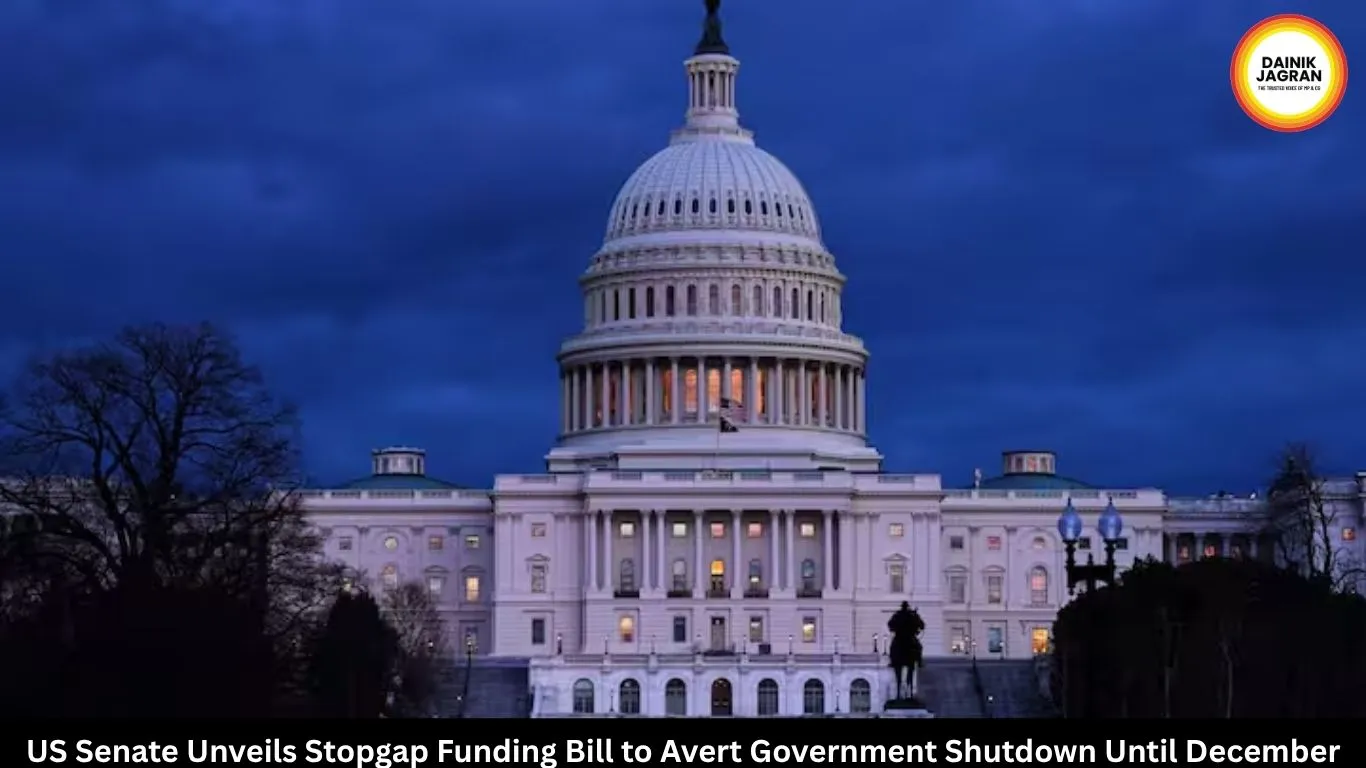
The US Senate has unveiled a bipartisan stopgap spending bill that would fund federal agencies through December 11, delaying a government shutdown and postponing budget negotiations until after the elections.
A bipartisan group of US senators has introduced a temporary government funding bill aimed at preventing a federal shutdown before the current fiscal year ends on September 30. The proposed continuing resolution (CR) would keep federal agencies operating through December 11, giving Congress additional time to negotiate a full-year spending package.
The legislation, announced after days of negotiations between congressional leaders and the White House, is expected to be voted on later this week before lawmakers leave Washington for the traditional August recess.
If approved by both the Senate and the House of Representatives, the measure will be sent to President Donald Trump for his signature.
Funding deadline pushed beyond elections
The proposal effectively postpones a major budget confrontation until after the upcoming elections, reducing the immediate risk of a politically damaging government shutdown during the campaign season.
Government funding battles in Washington have frequently been resolved at the last moment, with the United States experiencing two major shutdowns over the past year.
Senate Majority Leader John Thune said avoiding another shutdown before lawmakers leave for the August recess remains Congress's top priority.
Key changes in the Senate proposal
While the House had already passed its own temporary funding bill, Senate negotiators introduced several significant revisions during bipartisan talks.
Among the major changes:
-
A proposed $1 billion allocation for new "Trump-class" battleships has been removed following objections from Senate Democrats.
-
The legislation restricts the administration's authority to transfer funds from other government programmes to expand Border Patrol operations.
-
It temporarily blocks a proposed rule that would have allowed senior political appointees to review discretionary federal grant applications to determine whether they aligned with the President's policy priorities.
Debate over federal grants
Senate Appropriations Committee Chair Susan Collins expressed concern that the proposed grant review policy could politicise federal funding decisions.
She warned that the measure might affect rural development projects, biomedical research and other public programmes that rely on discretionary grants.
Democratic Senator Patty Murray also opposed the proposal, saying she would continue efforts to permanently eliminate the rule, arguing that federal grants should remain free from political influence.
Larger budget fight delayed
The temporary funding measure gives Congress approximately two and a half additional months to negotiate the 12 annual appropriations bills required to finance the federal government.
However, major disagreements remain between lawmakers and the White House over spending priorities.
The administration has advocated deeper reductions in non-defence spending while seeking increased defence funding. Congress also remains divided over healthcare tax credits, Immigration and Customs Enforcement (ICE) funding, and several domestic spending programmes.
Shutdown risk reduced for now
If Congress approves the continuing resolution before the September 30 deadline, federal agencies will continue operating without interruption until December 11.
The broader debate over federal spending will then shift to the post-election "lame duck" session, when lawmakers are expected to negotiate a long-term government funding agreement.

--------
๐จ Beat the News Rush โ Join Now!
Get breaking alerts, hot exclusives, and game-changing stories instantly on your phone. No delays, no fluff โ just the edge you need. โก
Tap to join:ย
๐ข WhatsApp Channel: Dainik Jagran MP CG
Crave more?
๐ Facebook: Dainik Jagran MP CG English
๐ ง Twitter (X): Dainik Jagran MP CG
๐ Instagram: Dainik Jagran MP CG
Share the fire โ keep your crew ahead! ๐๏ธ๐ฅ
US Senate Introduces Stopgap Spending Bill to Prevent Government Shutdown Until December 11
Digital desk
A bipartisan group of US senators has introduced a temporary government funding bill aimed at preventing a federal shutdown before the current fiscal year ends on September 30. The proposed continuing resolution (CR) would keep federal agencies operating through December 11, giving Congress additional time to negotiate a full-year spending package.
The legislation, announced after days of negotiations between congressional leaders and the White House, is expected to be voted on later this week before lawmakers leave Washington for the traditional August recess.
If approved by both the Senate and the House of Representatives, the measure will be sent to President Donald Trump for his signature.
Funding deadline pushed beyond elections
The proposal effectively postpones a major budget confrontation until after the upcoming elections, reducing the immediate risk of a politically damaging government shutdown during the campaign season.
Government funding battles in Washington have frequently been resolved at the last moment, with the United States experiencing two major shutdowns over the past year.
Senate Majority Leader John Thune said avoiding another shutdown before lawmakers leave for the August recess remains Congress's top priority.
Key changes in the Senate proposal
While the House had already passed its own temporary funding bill, Senate negotiators introduced several significant revisions during bipartisan talks.
Among the major changes:
-
A proposed $1 billion allocation for new "Trump-class" battleships has been removed following objections from Senate Democrats.
-
The legislation restricts the administration's authority to transfer funds from other government programmes to expand Border Patrol operations.
-
It temporarily blocks a proposed rule that would have allowed senior political appointees to review discretionary federal grant applications to determine whether they aligned with the President's policy priorities.
Debate over federal grants
Senate Appropriations Committee Chair Susan Collins expressed concern that the proposed grant review policy could politicise federal funding decisions.
She warned that the measure might affect rural development projects, biomedical research and other public programmes that rely on discretionary grants.
Democratic Senator Patty Murray also opposed the proposal, saying she would continue efforts to permanently eliminate the rule, arguing that federal grants should remain free from political influence.
Larger budget fight delayed
The temporary funding measure gives Congress approximately two and a half additional months to negotiate the 12 annual appropriations bills required to finance the federal government.
However, major disagreements remain between lawmakers and the White House over spending priorities.
The administration has advocated deeper reductions in non-defence spending while seeking increased defence funding. Congress also remains divided over healthcare tax credits, Immigration and Customs Enforcement (ICE) funding, and several domestic spending programmes.
Shutdown risk reduced for now
If Congress approves the continuing resolution before the September 30 deadline, federal agencies will continue operating without interruption until December 11.
The broader debate over federal spending will then shift to the post-election "lame duck" session, when lawmakers are expected to negotiate a long-term government funding agreement.