

New Year's Day 2026 Dawns: Welcoming a Fresh Start on the Gregorian Calendar
Digital Desk
New Year's Day 2026 Dawns: Welcoming a Fresh Start on the Gregorian Calendar
As the final seconds of 2025 tick away, the world stands poised to welcome New Year's Day 2026 this Wednesday, January 1st. This annual milestone, marking the first day of the Gregorian calendar, represents a universal moment of reflection, hope, and celebration that transcends borders and cultures.
More than just a date change, the day symbolizes a collective turn toward new opportunities and positive beginnings. For millions, it’s a national holiday, a chance to pause, give thanks, and set intentions for the year ahead.
A Global Tapestry of Traditions and Hope
While New Year's Day 2026 is firmly fixed on January 1st for nations using the Gregorian system, celebrations begin on New Year’s Eve. From bustling city squares to quiet homes, people gather to count down to midnight. A common thread across many cultures is gratitude. “The transition into a new year is fundamentally a moment of communal hope,” notes Dr. Alisha Carter, a cultural anthropologist. “Whether through prayer, song, or quiet reflection, people are acknowledging the past and inviting future prosperity.”
In many Christian communities, this manifests in “Watch Night” services, where hymns are sung and candles lit to welcome the new year’s first light. These observances highlight the day’s deeper significance beyond partying—it’s a spiritual and emotional reset.
Beyond January 1st: A World of New Years
The celebration on January 1st is just one chapter in a global story. Numerous cultures follow different calendars, creating a rich mosaic of global celebrations throughout the year.
Lunar New Year: Celebrated across China, Korea, and Vietnam, this movable festival is based on the lunar calendar.
Regional Indian New Years: India’s diversity shines with Ugadi, Gudi Padwa, and more, each marking the new year for different states and communities.
Islamic New Year: Marked by the month of Muharram, this observance follows the Islamic Hijri calendar.
This variety reminds us that the impulse to mark renewal and time is a shared human experience, even if the dates differ.
Your 2026 Celebration: More Than Just Fireworks
So, how can you meaningfully observe New Year's Day 2026? Move beyond generic resolutions. Experts suggest setting specific, kind intentions—perhaps a commitment to learning a new skill or fostering a relationship. It’s also a perfect time to connect with loved ones, share sweet treats, and embrace the universal language of well-wishes.
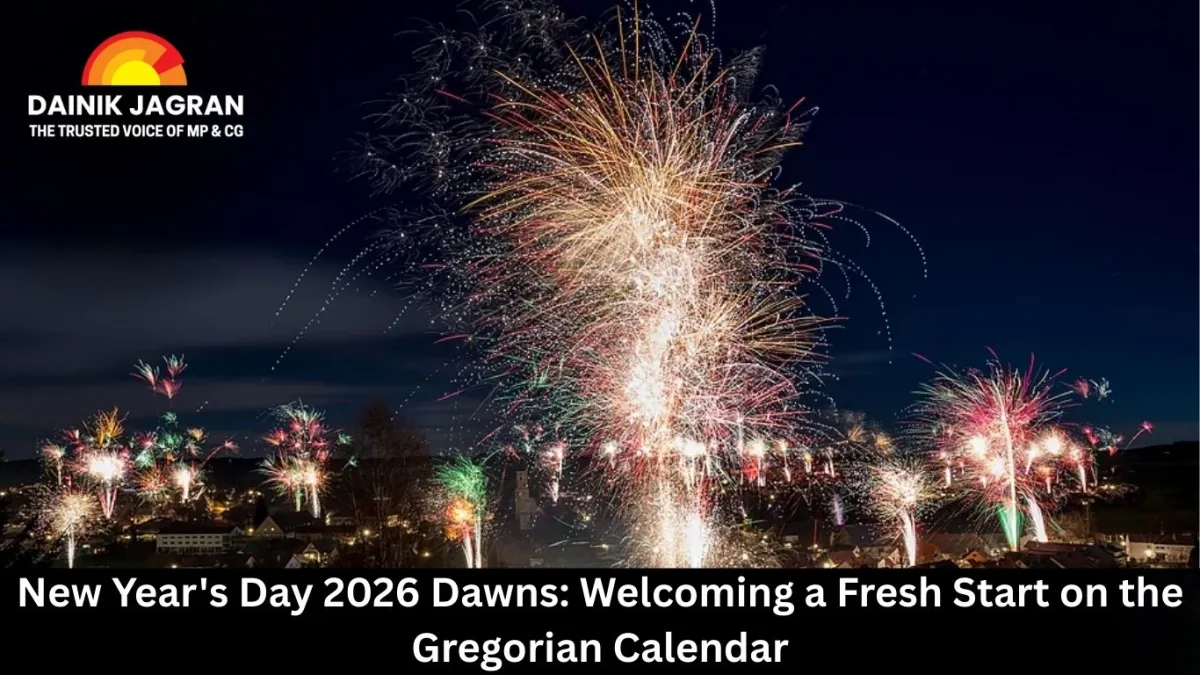
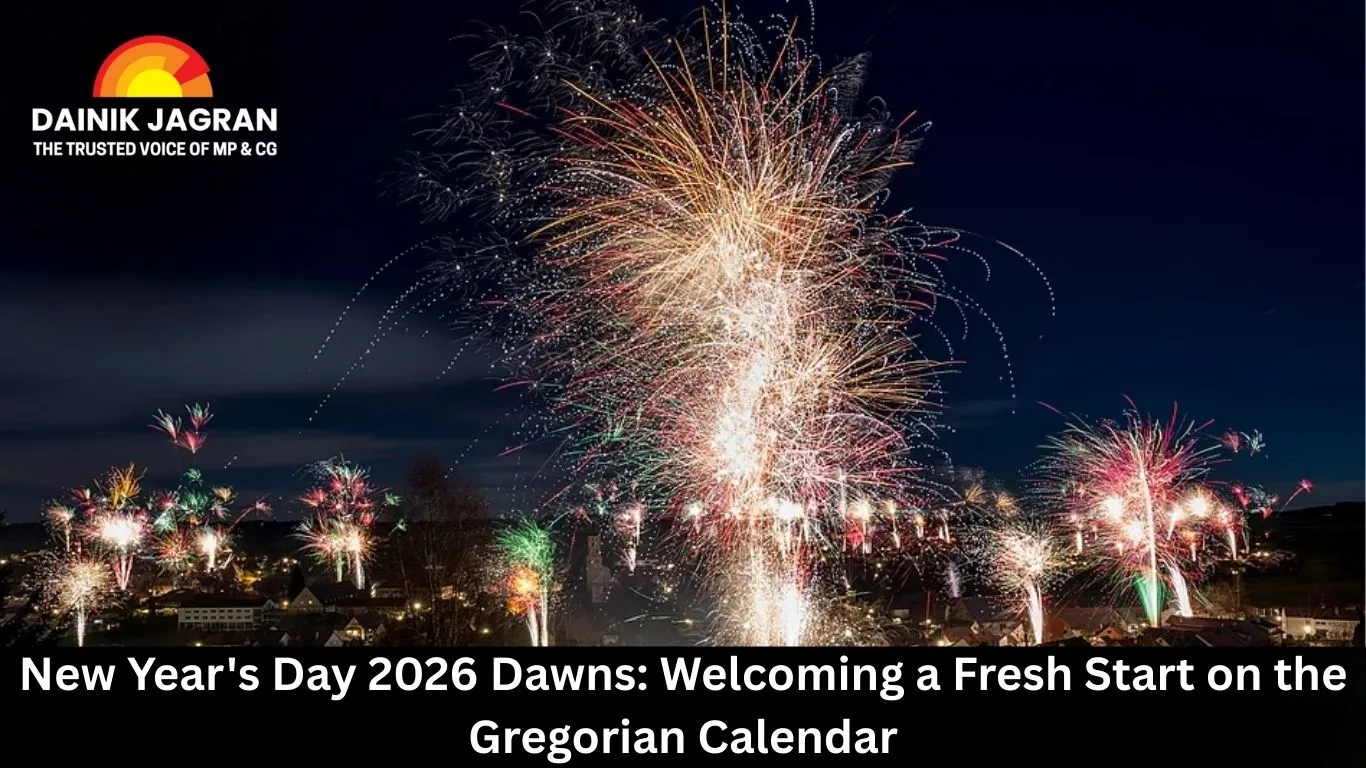
As the night sky on December 31st lights up with fireworks from Sydney to Seattle, that spectacular display is more than just a show. It’s a global, synchronized deep breath—a brilliant, hopeful welcome to the fresh chapters, simple joys, and new beginnings that New Year's Day 2026 promises for us all.




.jpg)




