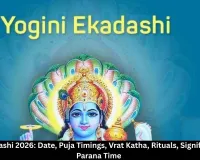
Yogini Ekadashi 2026: Date, Puja Timings, Vrat Katha, Significance and Parana Time
Digital Desk
Yogini Ekadashi 2026 will be observed on July 10. Know the Ekadashi date, puja timings, Parana time, Vrat Katha, religious significance, rituals, and fasting rules.
Devotees of Lord Vishnu across India are preparing to observe Yogini Ekadashi, one of the most significant Ekadashi fasts in the Hindu calendar. Falling during the Krishna Paksha of the Ashadha month, the annual observance is dedicated to Lord Vamana, the fifth incarnation of Lord Vishnu. This year, Yogini Ekadashi will be observed on Friday, July 10, 2026.
According to the Hindu Panchang, the Ekadashi Tithi will begin at 8:16 AM on July 10 and conclude at 5:23 AM on July 11. Devotees observing the fast can perform Parana (breaking of the fast) on July 11 between 1:52 PM and 4:32 PM, after the conclusion of Hari Vasara.
Puja and Muhurat Timings
For devotees following the vrat, sunrise on July 10 is at 5:52 AM, while sunset is at 7:12 PM (timings for Ujjain, India). Hari Vasara, considered an important period during Ekadashi, will end at 10:33 AM on July 11.
Religious scholars advise devotees to perform Vishnu Puja during the day, chant Vishnu mantras, and spend time in prayer and devotional activities.
Religious Significance
Yogini Ekadashi is regarded as one of the most spiritually rewarding Ekadashi fasts. According to Hindu scriptures, observing the vrat with devotion is believed to help devotees seek forgiveness for past mistakes, promote good health, and attain spiritual progress.
The observance is also associated with prayers for relief from illnesses, particularly skin-related ailments, and for overall physical and mental well-being. Devotees believe that sincere worship on this day brings peace, prosperity, and divine blessings.
The Legend Behind Yogini Ekadashi
The significance of Yogini Ekadashi is described in the Padma Purana. The sacred text narrates the story of Hemmali, a servant of King Kubera, who was responsible for collecting flowers for Lord Shiva's daily worship.
According to the legend, Hemmali neglected his duty after becoming engrossed in personal pleasures with his wife. Enraged by the delay in worship, Kubera cursed him with leprosy and separation from his family.
After wandering in misery, Hemmali sought the guidance of Sage Markandeya, who advised him to observe the Yogini Ekadashi fast. By faithfully performing the vrat, Hemmali was freed from the curse, regained his health, and reunited with his wife.
The story highlights the importance of devotion, discipline, repentance, and the transformative power of sincere worship.
How Devotees Observe the Fast
The Yogini Ekadashi vrat begins from Dashami and continues until Dwadashi. During this period, devotees generally follow a sattvic lifestyle, avoid grains and tamasic food, and dedicate the day to prayers, meditation, and the worship of Lord Vishnu.
Flowers, Tulsi leaves, incense, lamps, fruits, and sweets are commonly offered during the puja. Many devotees also spend the night chanting Vishnu bhajans and reading religious scriptures before completing the fast the following day during the prescribed Parana period.
A Widely Observed Sacred Tradition
Yogini Ekadashi continues to hold deep religious importance among Vishnu devotees across the country. Every year, temples witness special prayers and increased participation from devotees seeking spiritual purification, better health, and divine blessings through the observance of this sacred fast.
--------
๐จ Beat the News Rush โ Join Now!
Get breaking alerts, hot exclusives, and game-changing stories instantly on your phone. No delays, no fluff โ just the edge you need. โก
Tap to join:ย
๐ข WhatsApp Channel: Dainik Jagran MP CG
Crave more?
๐ Facebook: Dainik Jagran MP CG English
๐ ง Twitter (X): Dainik Jagran MP CG
๐ Instagram: Dainik Jagran MP CG
Share the fire โ keep your crew ahead! ๐๏ธ๐ฅ
Yogini Ekadashi 2026: Date, Puja Timings, Vrat Katha, Significance and Parana Time
Digital Desk
Devotees of Lord Vishnu across India are preparing to observe Yogini Ekadashi, one of the most significant Ekadashi fasts in the Hindu calendar. Falling during the Krishna Paksha of the Ashadha month, the annual observance is dedicated to Lord Vamana, the fifth incarnation of Lord Vishnu. This year, Yogini Ekadashi will be observed on Friday, July 10, 2026.
According to the Hindu Panchang, the Ekadashi Tithi will begin at 8:16 AM on July 10 and conclude at 5:23 AM on July 11. Devotees observing the fast can perform Parana (breaking of the fast) on July 11 between 1:52 PM and 4:32 PM, after the conclusion of Hari Vasara.
Puja and Muhurat Timings
For devotees following the vrat, sunrise on July 10 is at 5:52 AM, while sunset is at 7:12 PM (timings for Ujjain, India). Hari Vasara, considered an important period during Ekadashi, will end at 10:33 AM on July 11.
Religious scholars advise devotees to perform Vishnu Puja during the day, chant Vishnu mantras, and spend time in prayer and devotional activities.
Religious Significance
Yogini Ekadashi is regarded as one of the most spiritually rewarding Ekadashi fasts. According to Hindu scriptures, observing the vrat with devotion is believed to help devotees seek forgiveness for past mistakes, promote good health, and attain spiritual progress.
The observance is also associated with prayers for relief from illnesses, particularly skin-related ailments, and for overall physical and mental well-being. Devotees believe that sincere worship on this day brings peace, prosperity, and divine blessings.
The Legend Behind Yogini Ekadashi
The significance of Yogini Ekadashi is described in the Padma Purana. The sacred text narrates the story of Hemmali, a servant of King Kubera, who was responsible for collecting flowers for Lord Shiva's daily worship.
According to the legend, Hemmali neglected his duty after becoming engrossed in personal pleasures with his wife. Enraged by the delay in worship, Kubera cursed him with leprosy and separation from his family.
After wandering in misery, Hemmali sought the guidance of Sage Markandeya, who advised him to observe the Yogini Ekadashi fast. By faithfully performing the vrat, Hemmali was freed from the curse, regained his health, and reunited with his wife.
The story highlights the importance of devotion, discipline, repentance, and the transformative power of sincere worship.
How Devotees Observe the Fast
The Yogini Ekadashi vrat begins from Dashami and continues until Dwadashi. During this period, devotees generally follow a sattvic lifestyle, avoid grains and tamasic food, and dedicate the day to prayers, meditation, and the worship of Lord Vishnu.
Flowers, Tulsi leaves, incense, lamps, fruits, and sweets are commonly offered during the puja. Many devotees also spend the night chanting Vishnu bhajans and reading religious scriptures before completing the fast the following day during the prescribed Parana period.
A Widely Observed Sacred Tradition
Yogini Ekadashi continues to hold deep religious importance among Vishnu devotees across the country. Every year, temples witness special prayers and increased participation from devotees seeking spiritual purification, better health, and divine blessings through the observance of this sacred fast.