Chhattisgarh Heatwave Peaks, Rajnandgaon Hottest at 44.5°C, Rain Likely After 48 Hours
Raipur (CG)
Chhattisgarh heatwave intensifies as Rajnandgaon records 44.5°C. Raipur remains on alert, with rain and thunderstorms likely after two days.
Chhattisgarh heatwave conditions tightened their grip on the state on Friday, with Rajnandgaon recording the highest temperature at 44.5°C and the India Meteorological Department warning of a further 1–2°C rise over the next 48 hours. Raipur remains under heatwave alert, though light rain and thunderstorms may bring limited relief after two days.
Heatwave Tightens Grip
Chhattisgarh continued to reel under severe heat on Friday as maximum temperatures stayed well above normal across several districts. Rajnandgaon emerged as the hottest location in the state at 44.5°C, while Raipur was expected to touch 44°C under prevailing heatwave conditions.
According to officials, the India Meteorological Department (IMD) has issued a heatwave warning for parts of central Chhattisgarh between April 25 and April 27. The department said temperatures are likely to rise by another 1–2°C over the next two days, prolonging discomfort across the region.
Rajnandgaon Hottest Spot
The highest day temperature in the state was recorded in Rajnandgaon at 44.5°C, underscoring the intensity of the current heat spell. Raipur, Durg and Bilaspur also remained among the hotter pockets, with residents facing harsh afternoon conditions and dry winds.
In contrast, Ambikapur remained relatively cooler, recording the lowest minimum temperature at 20.5°C. However, weather officials said isolated relief in northern districts is unlikely to significantly alter the broader heat pattern affecting the state.
Raipur On Alert
The IMD has flagged heatwave conditions in Raipur, where the maximum temperature is forecast to remain around 44°C, with the minimum likely to hover near 28°C. Officials said hot and dry winds during the afternoon could intensify exposure risks, especially for outdoor workers, schoolchildren and the elderly.
As per reports, district administrations have been asked to remain alert and monitor local conditions, particularly during peak afternoon hours when heat stress levels are expected to remain high.
Why Heat Is Rising
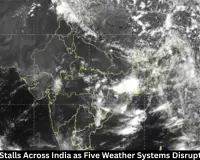
Meteorologists attributed the sharp rise in temperatures to a trough line extending from Vidarbha to southern India, along with cyclonic circulation in the upper air over the Bengal-Odisha region. This weather pattern has sustained the flow of hot and dry winds into Chhattisgarh.
According to weather experts, the combination of dry continental winds and delayed moisture intrusion has prevented any meaningful cooling, allowing daytime temperatures to climb steadily across central parts of the state.
Rain Relief After Two Days
While heatwave conditions are likely to persist in the short term, the weather department has indicated a possible shift after the next 48 hours. Some parts of Chhattisgarh may witness light rainfall, thunder activity and gusty winds reaching 30–40 kmph.
Officials said this could offer temporary relief in select districts, though isolated pockets may continue to experience heatwave conditions despite localised weather activity. The expected change is not likely to bring widespread cooling immediately.
Exam Timings Revised
The ongoing heat has also prompted administrative adjustments. In Bilaspur, Vyapam has revised the timing of upcoming competitive examinations in view of the rising temperatures.
Officials said exams that were earlier scheduled from 12 noon will now begin at 10 am. The revised schedule will apply to the Mandi Board Sub-Inspector examination on April 26, SSC Nursing and PET on May 14, and PPHT on May 21.
Public Impact Widens
The prolonged heat spell has begun affecting daily routines, public movement and examination schedules across Chhattisgarh. Health risks linked to dehydration and heat stress have also increased, particularly in urban centres and interior districts where daytime exposure remains high.
--------
🚨 Beat the News Rush – Join Now!
Get breaking alerts, hot exclusives, and game-changing stories instantly on your phone. No delays, no fluff – just the edge you need. ⚡
Tap to join:
🟢 WhatsApp Channel: Dainik Jagran MP CG
Crave more?
🅕 Facebook: Dainik Jagran MP CG English
🅧 Twitter (X): Dainik Jagran MP CG
🅘 Instagram: Dainik Jagran MP CG
Share the fire – keep your crew ahead! 🗞️🔥
Chhattisgarh Heatwave Peaks, Rajnandgaon Hottest at 44.5°C, Rain Likely After 48 Hours
Raipur (CG)
Chhattisgarh heatwave conditions tightened their grip on the state on Friday, with Rajnandgaon recording the highest temperature at 44.5°C and the India Meteorological Department warning of a further 1–2°C rise over the next 48 hours. Raipur remains under heatwave alert, though light rain and thunderstorms may bring limited relief after two days.
Heatwave Tightens Grip
Chhattisgarh continued to reel under severe heat on Friday as maximum temperatures stayed well above normal across several districts. Rajnandgaon emerged as the hottest location in the state at 44.5°C, while Raipur was expected to touch 44°C under prevailing heatwave conditions.
According to officials, the India Meteorological Department (IMD) has issued a heatwave warning for parts of central Chhattisgarh between April 25 and April 27. The department said temperatures are likely to rise by another 1–2°C over the next two days, prolonging discomfort across the region.
Rajnandgaon Hottest Spot
The highest day temperature in the state was recorded in Rajnandgaon at 44.5°C, underscoring the intensity of the current heat spell. Raipur, Durg and Bilaspur also remained among the hotter pockets, with residents facing harsh afternoon conditions and dry winds.
In contrast, Ambikapur remained relatively cooler, recording the lowest minimum temperature at 20.5°C. However, weather officials said isolated relief in northern districts is unlikely to significantly alter the broader heat pattern affecting the state.
Raipur On Alert
The IMD has flagged heatwave conditions in Raipur, where the maximum temperature is forecast to remain around 44°C, with the minimum likely to hover near 28°C. Officials said hot and dry winds during the afternoon could intensify exposure risks, especially for outdoor workers, schoolchildren and the elderly.
As per reports, district administrations have been asked to remain alert and monitor local conditions, particularly during peak afternoon hours when heat stress levels are expected to remain high.
Why Heat Is Rising
Meteorologists attributed the sharp rise in temperatures to a trough line extending from Vidarbha to southern India, along with cyclonic circulation in the upper air over the Bengal-Odisha region. This weather pattern has sustained the flow of hot and dry winds into Chhattisgarh.
According to weather experts, the combination of dry continental winds and delayed moisture intrusion has prevented any meaningful cooling, allowing daytime temperatures to climb steadily across central parts of the state.
Rain Relief After Two Days
While heatwave conditions are likely to persist in the short term, the weather department has indicated a possible shift after the next 48 hours. Some parts of Chhattisgarh may witness light rainfall, thunder activity and gusty winds reaching 30–40 kmph.
Officials said this could offer temporary relief in select districts, though isolated pockets may continue to experience heatwave conditions despite localised weather activity. The expected change is not likely to bring widespread cooling immediately.
Exam Timings Revised
The ongoing heat has also prompted administrative adjustments. In Bilaspur, Vyapam has revised the timing of upcoming competitive examinations in view of the rising temperatures.
Officials said exams that were earlier scheduled from 12 noon will now begin at 10 am. The revised schedule will apply to the Mandi Board Sub-Inspector examination on April 26, SSC Nursing and PET on May 14, and PPHT on May 21.
Public Impact Widens
The prolonged heat spell has begun affecting daily routines, public movement and examination schedules across Chhattisgarh. Health risks linked to dehydration and heat stress have also increased, particularly in urban centres and interior districts where daytime exposure remains high.