Indore Water Contamination Tragedy Sparks Outrage: High Court Slams Govt, 38 New Cases Emerge
Once celebrated as India’s cleanest city, Indore finds itself under national scrutiny after the Indore water contamination crisis claimed 17 lives and left dozens hospitalized. The Madhya Pradesh High Court on Tuesday described the government’s response as “insensitive,” stating that the incident had severely damaged Indore’s reputation across the country.
During the hearing on 6 January, the Indore bench observed that the tragedy was not confined to the Bhagirathpura area but raised serious concerns about the safety of drinking water across the entire city. The court has summoned the state Chief Secretary to appear virtually on 15 January for the next hearing.
High Court Raises Tough Questions Over Accountability
The Madhya Pradesh High Court said ensuring access to clean drinking water is a constitutional obligation under Article 21 — the right to life. The bench directed state and civic authorities to file detailed replies and present a fresh status report focusing on seven key areas: emergency relief, corrective action, accountability, disciplinary steps, compensation, civic direction, and public awareness.
Petitioners urged the court to investigate systemic negligence, pointing out that residents had repeatedly complained of contaminated water long before the deaths were reported. Senior counsel revealed that a proposal for laying new water pipelines, approved in 2022, has remained stalled due to a shortage of funds.
Ground Reality: Political Reactions and Public Anger
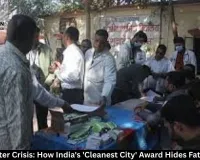
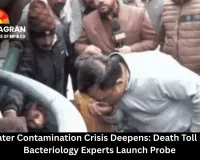
As outrage spreads, the Congress party has launched widespread protests across Indore’s wards. State Congress president Jitu Patwari and Leader of Opposition Umang Singhar joined demonstrations in Bhagirathpura, blaming administrative negligence for the deaths.
Patwari stated that the deaths have “tarnished Indore’s global reputation for cleanliness.” He demanded the resignations of Minister Kailash Vijayvargiya, Mayor Pushyamitra Bhargav, and higher compensation of ₹1 crore per family instead of the current ₹2 lakh offered by the government.
Meanwhile, 38 new cases of diarrhoea and vomiting were reported on Tuesday, with six patients referred to Aurobindo Hospital. According to health authorities, 110 individuals remain hospitalised, and 15 are in intensive care.
Environmental Negligence Under Scrutiny
A shocking revelation resurfaced from a 2017–18 Pollution Control Board report, which found 59 out of 60 water samples unfit for consumption—yet no action was taken. Petitioners alleged that both civil and criminal liability should be fixed on negligent officials and demanded a high-level probe into the ongoing crisis.
What Lies Ahead
As the High Court prepares for the next phase of hearings on 15 January, public trust in local administration hangs in the balance. For a city celebrated as India’s model for cleanliness and urban governance, the Indore water contamination tragedy poses a serious reminder that cleanliness must begin at the most essential level — safe drinking water.