

Dal Bafla Continues to Define Madhya Pradesh’s Traditional Food Identity

Digital Desk

Dal Bafla Continues to Define Madhya Pradesh’s Traditional Food Identity

Crime Branch detains alleged mastermind Shweta Jain and four others in ₹1 crore extortion case involving liquor businessman in Indore.

Among the many traditional dishes associated with central India, Dal Bafla continues to stand out as one of the most iconic foods of Madhya Pradesh. Known for its rich taste, generous use of ghee, and comforting flavour, the dish remains deeply connected to the culinary traditions and cultural identity of the state.

Served widely across homes, restaurants, festivals, and social gatherings, Dal Bafla is often described as Madhya Pradesh’s answer to Rajasthan’s famous dal baati. However, food experts note that while both dishes share similarities, Dal Bafla has evolved with its own regional characteristics, making it distinct in texture, preparation, and flavour.

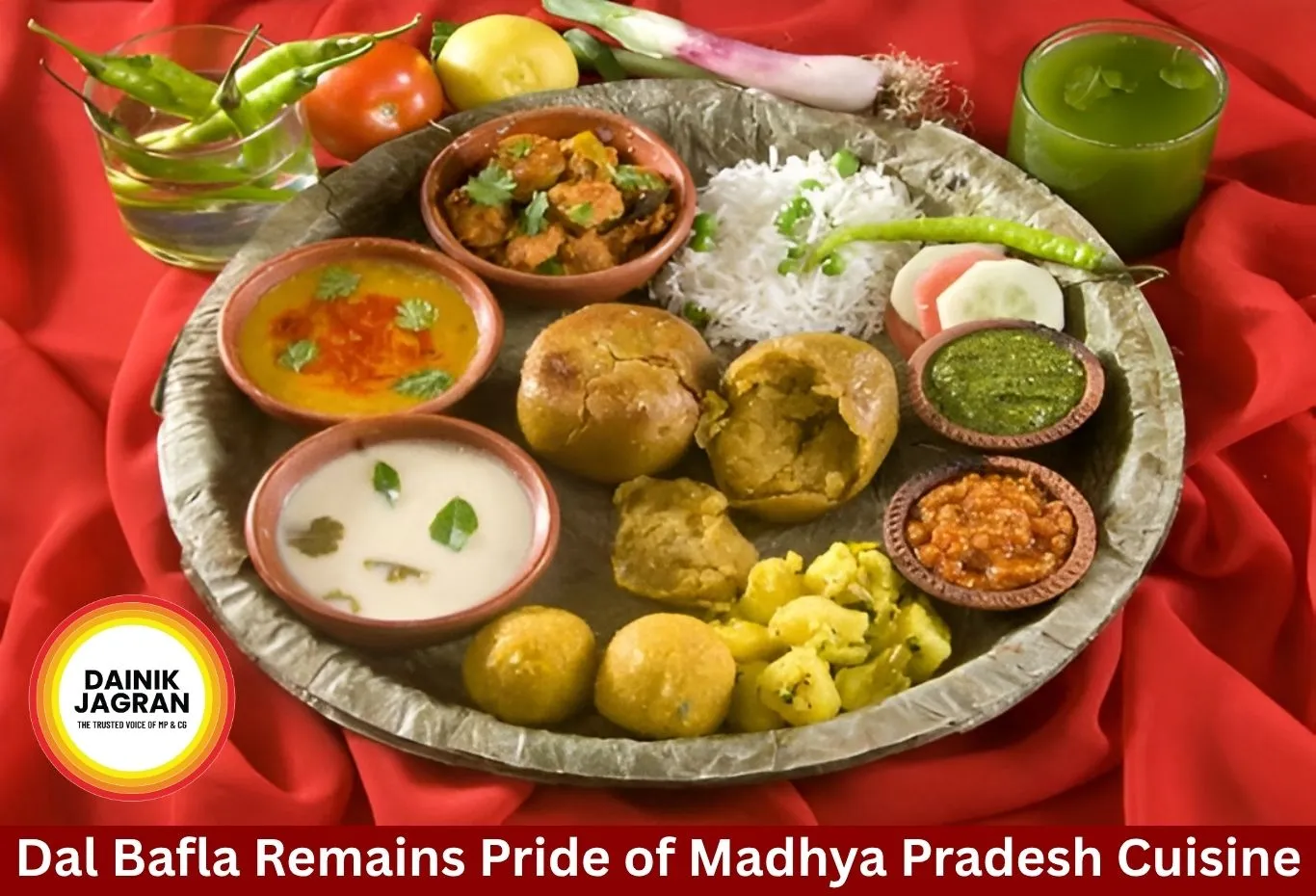
The dish mainly consists of bafla — wheat dough balls that are first boiled and later baked or roasted — served alongside spicy lentil curry, chutney, onions, and large amounts of melted ghee. The final preparation creates a hearty meal that is both filling and flavourful.

Culinary historians believe the origins of Dal Bafla lie in rural farming communities where simple ingredients such as wheat, pulses, and spices formed the foundation of everyday meals. Over time, the dish gained popularity beyond villages and eventually became one of the signature foods representing Madhya Pradesh cuisine.

In cities such as Indore, Bhopal, and Ujjain, Dal Bafla is now served in traditional eateries as well as modern restaurants seeking to promote regional Indian cuisine. Many food establishments market the dish as an authentic cultural experience for domestic tourists and visitors interested in local flavours.

The preparation process is considered one of the defining features of Dal Bafla. Unlike baati, which is usually baked directly, bafla is partially boiled before roasting. This method gives the dough a softer texture while retaining a smoky outer layer after cooking. Once prepared, the bafla is dipped generously in ghee, enhancing both taste and richness.

The accompanying dal is typically made using a mix of lentils tempered with cumin, garlic, chillies, and traditional Indian spices. Green chutney, coriander, onions, and sometimes jaggery are served alongside to balance the flavours. In many households, the meal is considered incomplete without a final drizzle of hot ghee over the bafla and dal.

Food researchers say the continued popularity of Dal Bafla reflects a broader revival of regional cuisines across India. As consumers increasingly seek traditional and locally rooted food experiences, many forgotten or lesser-known dishes are returning to restaurant menus and culinary festivals.

In Madhya Pradesh, Dal Bafla is often associated with hospitality and celebration. During weddings, religious gatherings, family functions, and community feasts, large quantities of the dish are prepared collectively. In rural areas especially, the process of making bafla together remains a social activity that brings families and communities together.

Nutrition experts note that the dish also represents a balanced traditional meal when consumed in moderation. Wheat provides carbohydrates, lentils offer protein, and spices contribute flavour and digestive benefits. However, the generous use of ghee, which is central to the dish’s identity, also makes it a rich and calorie-dense preparation.

Tourism officials in Madhya Pradesh have increasingly highlighted local cuisine as part of cultural tourism promotion. Alongside heritage sites, wildlife destinations, and spiritual tourism circuits, food traditions such as Dal Bafla are now being showcased during tourism fairs and food festivals organised in major cities.

Several chefs specialising in regional Indian cuisine believe dishes like Dal Bafla deserve greater national recognition. They argue that India’s culinary diversity extends far beyond internationally known foods and that regional staples offer valuable insight into local history, agriculture, and lifestyle.

Social media and digital food content have also played a role in increasing awareness about Dal Bafla among younger audiences. Food bloggers and travel creators frequently feature the dish while exploring Madhya Pradesh’s street food and traditional dining culture. Videos showing bafla being dipped in melted ghee and served with spicy dal have attracted significant online attention.

Despite modern adaptations, traditional cooks insist that authenticity lies in slow cooking methods and handmade preparation. In many villages, bafla is still cooked over wood-fired stoves or coal heat, producing a flavour difficult to replicate through commercial equipment.

As India’s regional cuisines continue gaining visibility, Dal Bafla remains a proud culinary symbol of Madhya Pradesh. Rich, rustic, and deeply rooted in tradition, the dish represents not only local taste preferences but also the agricultural and cultural heritage of central India.

For residents of Madhya Pradesh, Dal Bafla is far more than a meal. It is a reminder of family gatherings, traditional hospitality, and the enduring connection between food and regional identity. In an era increasingly shaped by fast food and global dining trends, the continued popularity of Dal Bafla highlights the lasting appeal of authentic Indian home-style cuisine.


--------

🚨 Beat the News Rush – Join Now!

Get breaking alerts, hot exclusives, and game-changing stories instantly on your phone. No delays, no fluff – just the edge you need. ⚡

Tap to join: 

🟢 WhatsApp Channel: Dainik Jagran MP CG

Crave more?

🅕 Facebook: Dainik Jagran MP CG English

🅧 Twitter (X): Dainik Jagran MP CG

🅘 Instagram: Dainik Jagran MP CG

Share the fire – keep your crew ahead! 🗞️🔥

english.dainikjagranmpcg.com
19 May 2026 By Vaishnavi

Dal Bafla Continues to Define Madhya Pradesh’s Traditional Food Identity

Digital Desk

Among the many traditional dishes associated with central India, Dal Bafla continues to stand out as one of the most iconic foods of Madhya Pradesh. Known for its rich taste, generous use of ghee, and comforting flavour, the dish remains deeply connected to the culinary traditions and cultural identity of the state.

Served widely across homes, restaurants, festivals, and social gatherings, Dal Bafla is often described as Madhya Pradesh’s answer to Rajasthan’s famous dal baati. However, food experts note that while both dishes share similarities, Dal Bafla has evolved with its own regional characteristics, making it distinct in texture, preparation, and flavour.

The dish mainly consists of bafla — wheat dough balls that are first boiled and later baked or roasted — served alongside spicy lentil curry, chutney, onions, and large amounts of melted ghee. The final preparation creates a hearty meal that is both filling and flavourful.

Culinary historians believe the origins of Dal Bafla lie in rural farming communities where simple ingredients such as wheat, pulses, and spices formed the foundation of everyday meals. Over time, the dish gained popularity beyond villages and eventually became one of the signature foods representing Madhya Pradesh cuisine.

In cities such as Indore, Bhopal, and Ujjain, Dal Bafla is now served in traditional eateries as well as modern restaurants seeking to promote regional Indian cuisine. Many food establishments market the dish as an authentic cultural experience for domestic tourists and visitors interested in local flavours.

The preparation process is considered one of the defining features of Dal Bafla. Unlike baati, which is usually baked directly, bafla is partially boiled before roasting. This method gives the dough a softer texture while retaining a smoky outer layer after cooking. Once prepared, the bafla is dipped generously in ghee, enhancing both taste and richness.

The accompanying dal is typically made using a mix of lentils tempered with cumin, garlic, chillies, and traditional Indian spices. Green chutney, coriander, onions, and sometimes jaggery are served alongside to balance the flavours. In many households, the meal is considered incomplete without a final drizzle of hot ghee over the bafla and dal.

Food researchers say the continued popularity of Dal Bafla reflects a broader revival of regional cuisines across India. As consumers increasingly seek traditional and locally rooted food experiences, many forgotten or lesser-known dishes are returning to restaurant menus and culinary festivals.

In Madhya Pradesh, Dal Bafla is often associated with hospitality and celebration. During weddings, religious gatherings, family functions, and community feasts, large quantities of the dish are prepared collectively. In rural areas especially, the process of making bafla together remains a social activity that brings families and communities together.

Nutrition experts note that the dish also represents a balanced traditional meal when consumed in moderation. Wheat provides carbohydrates, lentils offer protein, and spices contribute flavour and digestive benefits. However, the generous use of ghee, which is central to the dish’s identity, also makes it a rich and calorie-dense preparation.

Tourism officials in Madhya Pradesh have increasingly highlighted local cuisine as part of cultural tourism promotion. Alongside heritage sites, wildlife destinations, and spiritual tourism circuits, food traditions such as Dal Bafla are now being showcased during tourism fairs and food festivals organised in major cities.

Several chefs specialising in regional Indian cuisine believe dishes like Dal Bafla deserve greater national recognition. They argue that India’s culinary diversity extends far beyond internationally known foods and that regional staples offer valuable insight into local history, agriculture, and lifestyle.

Social media and digital food content have also played a role in increasing awareness about Dal Bafla among younger audiences. Food bloggers and travel creators frequently feature the dish while exploring Madhya Pradesh’s street food and traditional dining culture. Videos showing bafla being dipped in melted ghee and served with spicy dal have attracted significant online attention.

Despite modern adaptations, traditional cooks insist that authenticity lies in slow cooking methods and handmade preparation. In many villages, bafla is still cooked over wood-fired stoves or coal heat, producing a flavour difficult to replicate through commercial equipment.

As India’s regional cuisines continue gaining visibility, Dal Bafla remains a proud culinary symbol of Madhya Pradesh. Rich, rustic, and deeply rooted in tradition, the dish represents not only local taste preferences but also the agricultural and cultural heritage of central India.

For residents of Madhya Pradesh, Dal Bafla is far more than a meal. It is a reminder of family gatherings, traditional hospitality, and the enduring connection between food and regional identity. In an era increasingly shaped by fast food and global dining trends, the continued popularity of Dal Bafla highlights the lasting appeal of authentic Indian home-style cuisine.

https://english.dainikjagranmpcg.com/states/madhya-pradesh/dal-bafla-continues-to-define-madhya-pradesh%E2%80%99s-traditional-food-identity/article-18796

Latest News


