


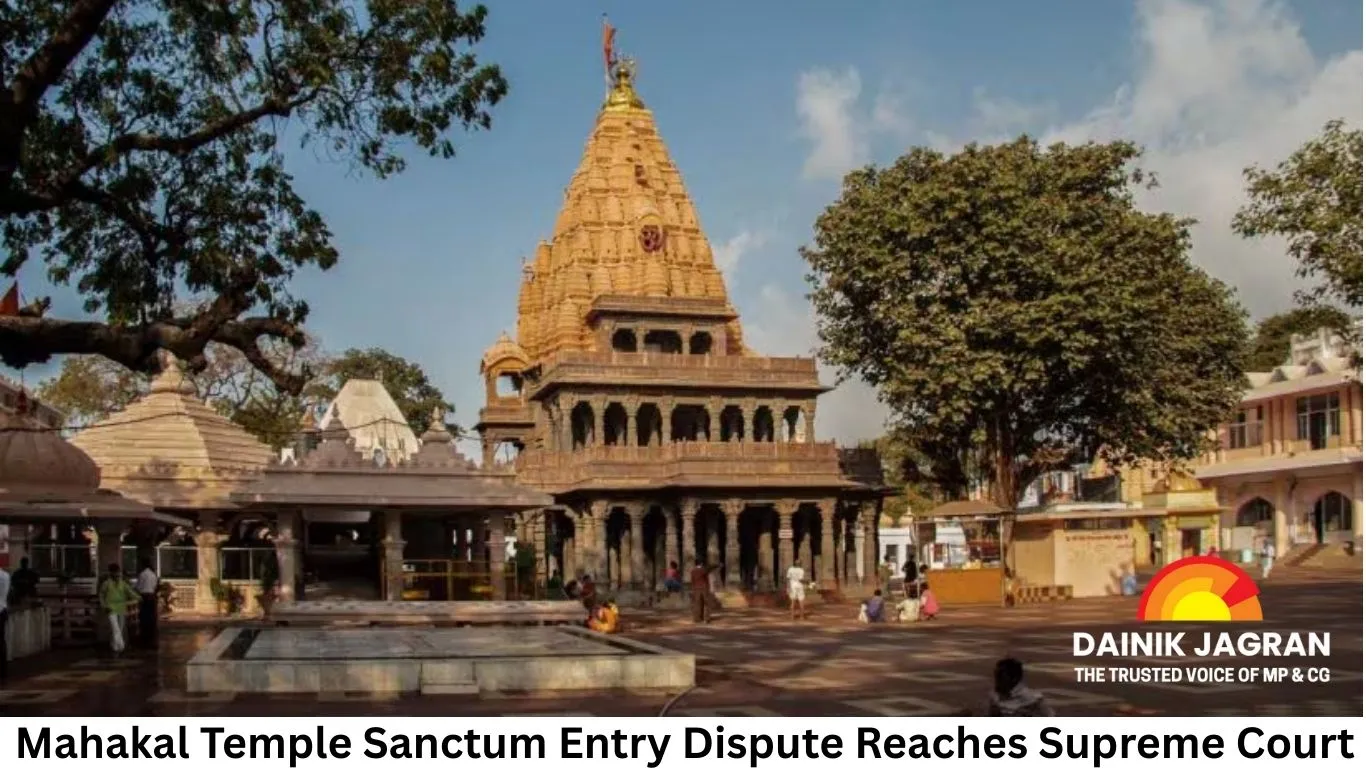
Mahakal Temple Sanctum Entry Dispute Reaches Supreme Court, Raises Questions on Equal Access
Digital Desk
The plea has been filed by Indore-based advocate Charchit Shastri through Supreme Court counsel Vishnu Jain. The matter is scheduled for hearing on Tuesday. The petitioner has sought directions to ensure equal religious rights, arguing that selective access violates constitutional principles and established traditions of worship.
According to the petition, millions of devotees from across India and abroad visit the Mahakal temple every year but are confined to darshan from outside the sanctum. In contrast, elected representatives, influential individuals and special invitees are allegedly permitted to enter the inner sanctum to perform rituals. The plea questions the legal and moral basis for such differentiation.
The sanctum was closed to the general public on July 4, 2023, during the Shravan month, citing crowd pressure and safety concerns. The temple administration had then announced that the restriction would remain in place only until September 11, 2023. However, more than a year later, the ban on devotees entering the sanctum continues, even as reports of VIP entry persist.
Temple officials attribute the restrictions to an unprecedented surge in footfall following the inauguration of the Mahakal Lok corridor in October 2022. Before the project, the temple recorded an average daily footfall of 20,000 to 30,000 devotees. This has since risen to nearly 1.5 to 2 lakh visitors a day, significantly complicating crowd management and security arrangements.
Until July 2023, devotees were allowed to enter the sanctum by purchasing a ₹1,500 receipt for abhishek and special worship. At present, darshan is limited to designated areas such as Ganesh Mandapam, Kartikeya Mandapam and Nandi Hall, with no physical access to the sanctum.
The issue has also drawn attention from public representatives. Ujjain MP Anil Firojiya has raised the matter with the state government on multiple occasions, while the city’s mayor recently questioned the prevailing darshan system and called for equal treatment of devotees.
With the dispute now before the apex court, the hearing is expected to determine whether judicial intervention is warranted to balance crowd management concerns with the principle of equal access to worship.
.jpg)




