

MP GST Rules Tightened: Vehicle Stops Need Full Documentation
Digital Desk
Madhya Pradesh Commercial Tax Department tightens GST enforcement with new rules requiring complete documentation for vehicle checks, reducing arbitrary stops.
MP Tightens GST Rules: Vehicles Can't Be Stopped on Whim
Govt mandates full documentation before action; traders to get relief from arbitrary checks
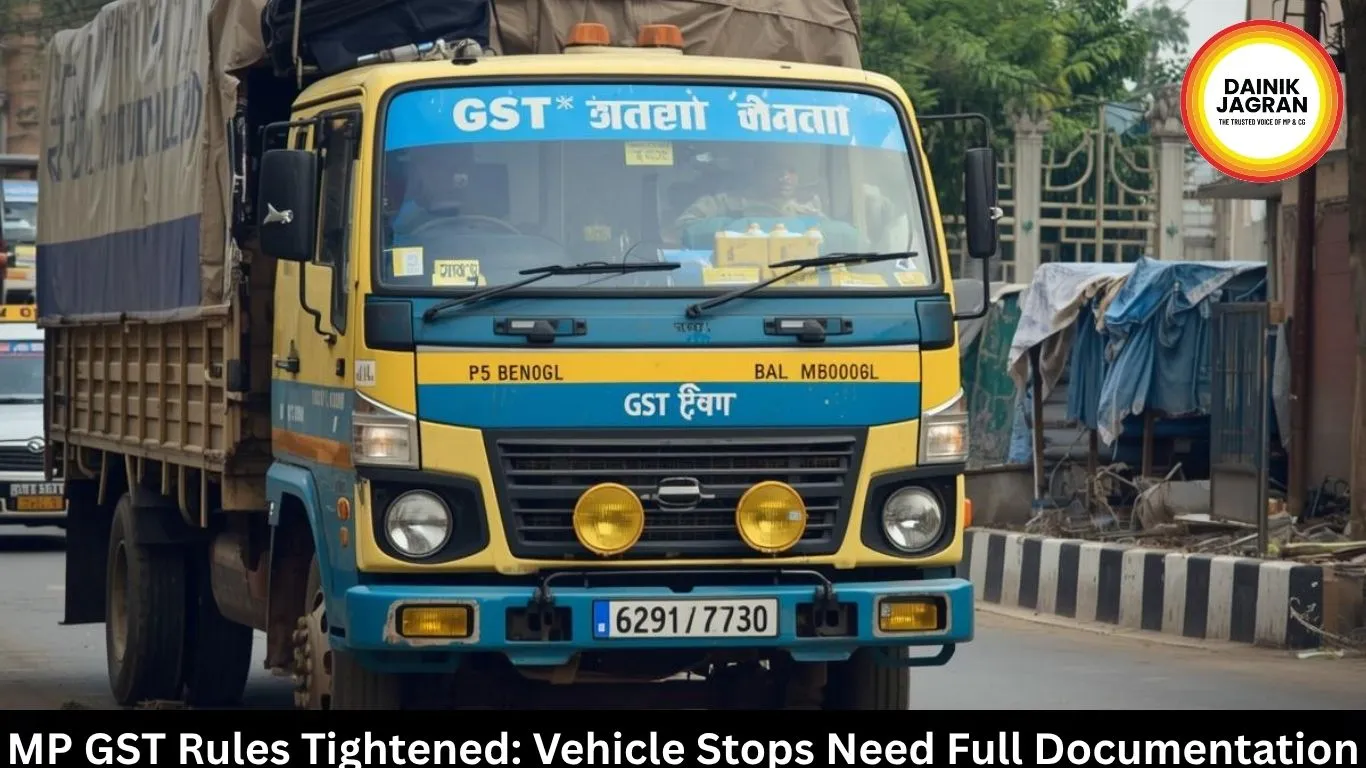
Trucks Won't Be Held Over Vehicle Number Alone
Madhya Pradesh has moved to curb arbitrary vehicle inspections under GST rules. The Commercial Tax Department issued a fresh circular Thursday, making it clear that enforcement authority under the GST Act would primarily rest with its own department, not random stops by police or other agencies.
The shift marks a significant move toward procedural transparency in state-level tax enforcement. Officials from other departments who intercept commercial vehicles now need to maintain complete records of their actions. A registration number, driver's name, or incomplete information alone won't be enough to detain a vehicle anymore.
Documentation Becomes Mandatory
"If any authority stops a vehicle, they must document why, when, and on what basis the stop was made," said a senior official from the tax department's headquarters here. This eliminates the previous practice where vehicles were first detained and the commercial tax wing was informed afterward under pressure.
The new framework essentially closes the gap where police or transport authorities could make the initial stop and force the commercial tax department to take action retroactively. Such checks, often resulting in unnecessary harassment of traders, are now regulated.
Informers Face Accountability
The new order also brings informers into the accountability structure. If an informer provides incorrect intelligence, the department can summon the person along with supporting documents. This step is expected to reduce false or unverified tips that previously clogged enforcement channels.
"We've seen cases where traders were harassed based on anonymous complaints that turned out to be baseless," said a trader from Bhopal's commercial area. "This measure should filter out grudge complaints and genuine competitive rivalries disguised as tax violations."
Transparency Before Raids
Under the revised system, officials must log all information on a web portal before initiating raids or seizures related to tax evasion. This advance documentation adds a layer of oversight and gives traders and their legal representatives an opportunity to respond through proper channels.
The department believes the move will improve transparency and reduce unnecessary disturbances to legitimate business operations. Traders have long complained about unannounced vehicle checks and confiscations based on vague intelligence.
Businesses See Relief
State's merchant associations have welcomed the move. "This protects honest traders while maintaining the department's authority to act against actual violations," said Rajesh Verma, president of the Bhopal Trade Association. "The key is proper procedure and documented cause."
The circular comes months after traders filed multiple complaints about sudden vehicle checks that disrupted supply chains and caused financial losses. Some cases saw goods detained for weeks during investigation, even when no violation was ultimately found.
Procedural Overhaul Underway
Tax officials stressed that the new rules don't weaken GST enforcement but make it more rational. "We're not going soft on evasion," clarified a department spokesperson. "We're just ensuring that enforcement follows due process, not hunches or pressure from outside."
The Commercial Tax Department plans to conduct training sessions for field officers and officials from other departments on the revised protocols. Implementation is expected to begin from next month.
For small and medium traders who operate on tight margins, arbitrary vehicle checks often mean missed deliveries and broken contracts. The new framework aims to separate genuine compliance issues from harassment-based stops.
--------
๐จ Beat the News Rush โ Join Now!
Get breaking alerts, hot exclusives, and game-changing stories instantly on your phone. No delays, no fluff โ just the edge you need. โก
Tap to join:ย
๐ข WhatsApp Channel: Dainik Jagran MP CG
Crave more?
๐ Facebook: Dainik Jagran MP CG English
๐ ง Twitter (X): Dainik Jagran MP CG
๐ Instagram: Dainik Jagran MP CG
Share the fire โ keep your crew ahead! ๐๏ธ๐ฅ
MP GST Rules Tightened: Vehicle Stops Need Full Documentation
Digital Desk
MP Tightens GST Rules: Vehicles Can't Be Stopped on Whim
Govt mandates full documentation before action; traders to get relief from arbitrary checks
Trucks Won't Be Held Over Vehicle Number Alone
Madhya Pradesh has moved to curb arbitrary vehicle inspections under GST rules. The Commercial Tax Department issued a fresh circular Thursday, making it clear that enforcement authority under the GST Act would primarily rest with its own department, not random stops by police or other agencies.
The shift marks a significant move toward procedural transparency in state-level tax enforcement. Officials from other departments who intercept commercial vehicles now need to maintain complete records of their actions. A registration number, driver's name, or incomplete information alone won't be enough to detain a vehicle anymore.
Documentation Becomes Mandatory
"If any authority stops a vehicle, they must document why, when, and on what basis the stop was made," said a senior official from the tax department's headquarters here. This eliminates the previous practice where vehicles were first detained and the commercial tax wing was informed afterward under pressure.
The new framework essentially closes the gap where police or transport authorities could make the initial stop and force the commercial tax department to take action retroactively. Such checks, often resulting in unnecessary harassment of traders, are now regulated.
Informers Face Accountability
The new order also brings informers into the accountability structure. If an informer provides incorrect intelligence, the department can summon the person along with supporting documents. This step is expected to reduce false or unverified tips that previously clogged enforcement channels.
"We've seen cases where traders were harassed based on anonymous complaints that turned out to be baseless," said a trader from Bhopal's commercial area. "This measure should filter out grudge complaints and genuine competitive rivalries disguised as tax violations."
Transparency Before Raids
Under the revised system, officials must log all information on a web portal before initiating raids or seizures related to tax evasion. This advance documentation adds a layer of oversight and gives traders and their legal representatives an opportunity to respond through proper channels.
The department believes the move will improve transparency and reduce unnecessary disturbances to legitimate business operations. Traders have long complained about unannounced vehicle checks and confiscations based on vague intelligence.
Businesses See Relief
State's merchant associations have welcomed the move. "This protects honest traders while maintaining the department's authority to act against actual violations," said Rajesh Verma, president of the Bhopal Trade Association. "The key is proper procedure and documented cause."
The circular comes months after traders filed multiple complaints about sudden vehicle checks that disrupted supply chains and caused financial losses. Some cases saw goods detained for weeks during investigation, even when no violation was ultimately found.
Procedural Overhaul Underway
Tax officials stressed that the new rules don't weaken GST enforcement but make it more rational. "We're not going soft on evasion," clarified a department spokesperson. "We're just ensuring that enforcement follows due process, not hunches or pressure from outside."
The Commercial Tax Department plans to conduct training sessions for field officers and officials from other departments on the revised protocols. Implementation is expected to begin from next month.
For small and medium traders who operate on tight margins, arbitrary vehicle checks often mean missed deliveries and broken contracts. The new framework aims to separate genuine compliance issues from harassment-based stops.


