

Wheat Procurement Delayed in Madhya Pradesh, Farmers Sell to Traders

Digital Desk

Wheat Procurement Delayed in Madhya Pradesh, Farmers Sell to Traders

Wheat procurement in Madhya Pradesh starts from 10–15 April, forcing farmers to sell at low rates in mandis as unseasonal rains and fires threaten standing crop.


Wheat Procurement Delayed in Madhya Pradesh, Farmers Forced to Sell to Traders

Wheat procurement in Madhya Pradesh begins only from 10–15 April, leaving farmers to sell at low rates in mandis amid unseasonal rains and damage to standing crop.

Wheat sales to traders

Wheat procurement in Madhya Pradesh has not yet begun at the minimum support price, leaving thousands of farmers in the state to sell their crop to private traders at throwaway prices. In Bhopal, Indore, Ujjain and several other districts, farmers are selling wheat between ₹2,200 and ₹2,400 per quintal in open markets, well below the official MSP of ₹2,585 and the state’s announced procurement rate of around ₹2,625–2,700 per quintal.

Procurement date pushed again

The Food and Civil Supplies Department has now fixed two start dates for wheat procurement this year. In Bhopal, Indore, Ujjain and Narmadapuram divisions, procurement will begin on 10 April, while the remaining six divisions—Gwalior, Chambal, Sagar, Jabalpur, Rewa and Shahdol—will start from 15 April. This is the third time the state government has changed the start date, shifting from an initial proposal of 16 March to 1 April and now to a staggered 10–15 April schedule, which officials attribute to storage congestion and logistical constraints.

Unseasonal rains and crop damage

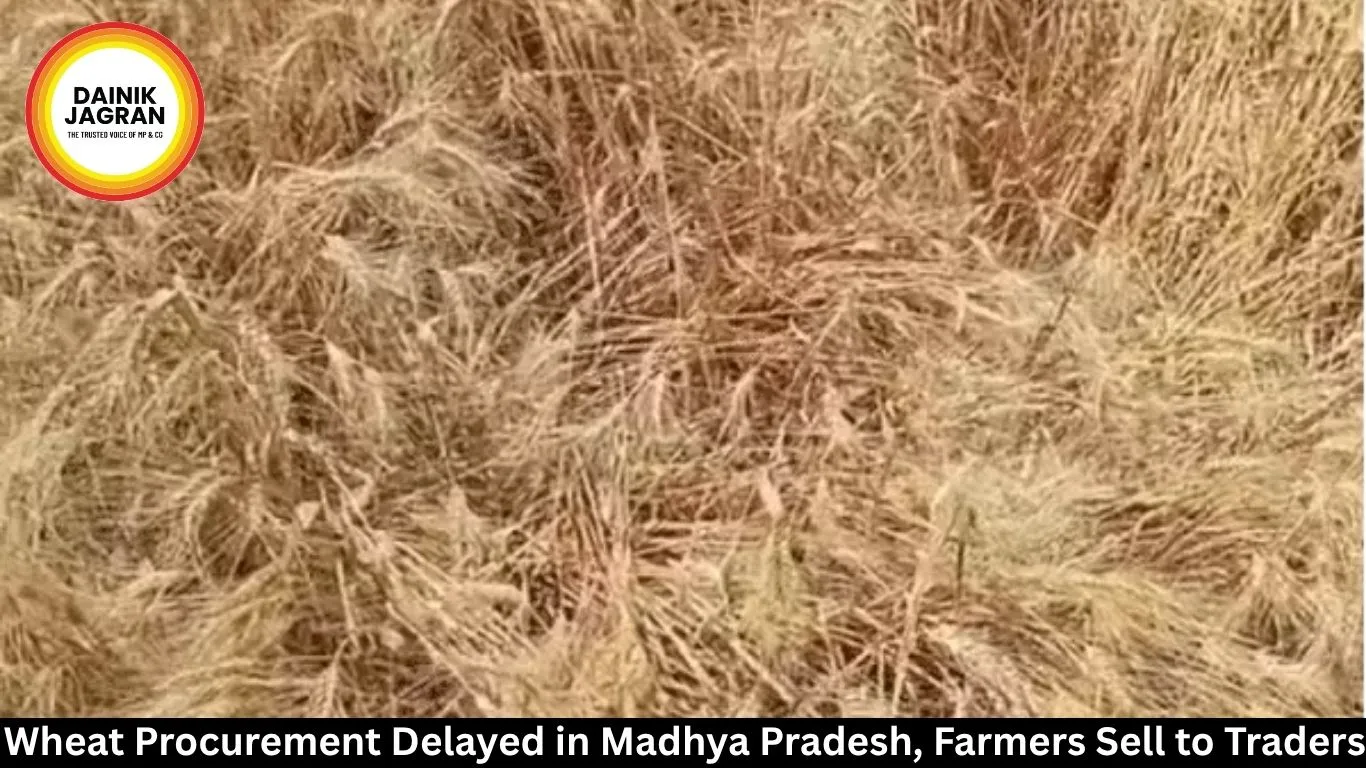
Across central Madhya Pradesh, including Bhopal, Ujjain, Shajapur, Sehore, Narmadapuram and Vidisha, unseasonal rains, hailstorms and strong winds have damaged standing wheat at a critical stage. The India Meteorological Department and local authorities had earlier warned of hail and thunderstorm activity, which has flattened crops in patches and raised moisture–damage risks. In several districts, farmers have already reported partial losses, and local agronomists say delayed procurement could further erode grain quality and farmers’ returns.

Khajoori Kalan, Kuthar and other villages

In Bhopal’s Khajoori Kalan, farmers complained that the back‑to‑back hail and wind events in February and March have left them anxious. Many say they want to offload their wheat to the government as soon as possible, but the postponement has forced them to mandis and grain traders. In Kuthar village near Bhopal, about 15 acres of wheat reportedly went up in flames last week, underscoring the risk of fire in stubble‑rich fields and prompting local mobilisation to prevent wider damage. Similar incidents have been reported in other districts, heightening fears among farmers who now face both climatic and commercial uncertainty.english.

Mandis accepting wheat at lower rates

With state procurement not operational, mandis such as Bhopal’s Karond and others across the state have become the first point of sale for many farmers. On Tuesday, Karond Mandi saw around 2,500 quintals of wheat arrive, with prices ranging from a minimum of ₹2,100 to a maximum of ₹2,700 per quintal, depending on quality and moisture content. Traders say that while high‑grade wheat fetches relatively better rates, average and lower‑grade produce is being sold at ₹200–400 below the effective state procurement price, cutting into farmers’ margins.

Political heat over farm policy

Opposition leaders have lashed out at the repeated deferral of wheat procurement, calling the BJP‑led state government “insensitive” to farmers’ concerns. Former Chief Minister Digvijaya Singh and ex‑Union Minister Arun Yadav have accused the administration of using logistical excuses to delay procurement while farmers stand in the fields with ready harvest. Yadav pointed out that the start date has been shifted three times—from 16 March to 1 April and then to 10–15 April—arguing that these delays expose farmers to price volatility and exploitation by middlemen.english.

What comes next for farmers

The state government has said that the staggered start will allow for better warehouse space, gunny‑bag availability and smoother electronic–weighing and payment systems. However, farmers fear that the one‑month delay compared with last year’s schedule, combined with ongoing weather risks and fire hazards, could still dent their incomes and push them deeper into credit cycles. With the wheat procurement window slowly opening from 10 April onward, the focus will be on how quickly the state can clear the backlog and ensure that the promised MSP–plus‑bonus actually reaches the ground in Madhya Pradesh wheat belt.


--------

🚨 Beat the News Rush – Join Now!

Get breaking alerts, hot exclusives, and game-changing stories instantly on your phone. No delays, no fluff – just the edge you need. ⚡

Tap to join: 

🟢 WhatsApp Channel: Dainik Jagran MP CG

Crave more?

🅕 Facebook: Dainik Jagran MP CG English

🅧 Twitter (X): Dainik Jagran MP CG

🅘 Instagram: Dainik Jagran MP CG

Share the fire – keep your crew ahead! 🗞️🔥

english.dainikjagranmpcg.com
01 Apr 2026 By Abhishek Joshi

Wheat Procurement Delayed in Madhya Pradesh, Farmers Sell to Traders

Digital Desk

Wheat Procurement Delayed in Madhya Pradesh, Farmers Forced to Sell to Traders

Wheat procurement in Madhya Pradesh begins only from 10–15 April, leaving farmers to sell at low rates in mandis amid unseasonal rains and damage to standing crop.

Wheat sales to traders

Wheat procurement in Madhya Pradesh has not yet begun at the minimum support price, leaving thousands of farmers in the state to sell their crop to private traders at throwaway prices. In Bhopal, Indore, Ujjain and several other districts, farmers are selling wheat between ₹2,200 and ₹2,400 per quintal in open markets, well below the official MSP of ₹2,585 and the state’s announced procurement rate of around ₹2,625–2,700 per quintal.

Procurement date pushed again

The Food and Civil Supplies Department has now fixed two start dates for wheat procurement this year. In Bhopal, Indore, Ujjain and Narmadapuram divisions, procurement will begin on 10 April, while the remaining six divisions—Gwalior, Chambal, Sagar, Jabalpur, Rewa and Shahdol—will start from 15 April. This is the third time the state government has changed the start date, shifting from an initial proposal of 16 March to 1 April and now to a staggered 10–15 April schedule, which officials attribute to storage congestion and logistical constraints.

Unseasonal rains and crop damage

Across central Madhya Pradesh, including Bhopal, Ujjain, Shajapur, Sehore, Narmadapuram and Vidisha, unseasonal rains, hailstorms and strong winds have damaged standing wheat at a critical stage. The India Meteorological Department and local authorities had earlier warned of hail and thunderstorm activity, which has flattened crops in patches and raised moisture–damage risks. In several districts, farmers have already reported partial losses, and local agronomists say delayed procurement could further erode grain quality and farmers’ returns.

Khajoori Kalan, Kuthar and other villages

In Bhopal’s Khajoori Kalan, farmers complained that the back‑to‑back hail and wind events in February and March have left them anxious. Many say they want to offload their wheat to the government as soon as possible, but the postponement has forced them to mandis and grain traders. In Kuthar village near Bhopal, about 15 acres of wheat reportedly went up in flames last week, underscoring the risk of fire in stubble‑rich fields and prompting local mobilisation to prevent wider damage. Similar incidents have been reported in other districts, heightening fears among farmers who now face both climatic and commercial uncertainty.english.

Mandis accepting wheat at lower rates

With state procurement not operational, mandis such as Bhopal’s Karond and others across the state have become the first point of sale for many farmers. On Tuesday, Karond Mandi saw around 2,500 quintals of wheat arrive, with prices ranging from a minimum of ₹2,100 to a maximum of ₹2,700 per quintal, depending on quality and moisture content. Traders say that while high‑grade wheat fetches relatively better rates, average and lower‑grade produce is being sold at ₹200–400 below the effective state procurement price, cutting into farmers’ margins.

Political heat over farm policy

Opposition leaders have lashed out at the repeated deferral of wheat procurement, calling the BJP‑led state government “insensitive” to farmers’ concerns. Former Chief Minister Digvijaya Singh and ex‑Union Minister Arun Yadav have accused the administration of using logistical excuses to delay procurement while farmers stand in the fields with ready harvest. Yadav pointed out that the start date has been shifted three times—from 16 March to 1 April and then to 10–15 April—arguing that these delays expose farmers to price volatility and exploitation by middlemen.english.

What comes next for farmers

The state government has said that the staggered start will allow for better warehouse space, gunny‑bag availability and smoother electronic–weighing and payment systems. However, farmers fear that the one‑month delay compared with last year’s schedule, combined with ongoing weather risks and fire hazards, could still dent their incomes and push them deeper into credit cycles. With the wheat procurement window slowly opening from 10 April onward, the focus will be on how quickly the state can clear the backlog and ensure that the promised MSP–plus‑bonus actually reaches the ground in Madhya Pradesh wheat belt.


https://english.dainikjagranmpcg.com/states/madhya-pradesh/wheat-procurement-delayed-in-madhya-pradesh-farmers-sell-to-traders/article-16375

Related Posts

Latest News


