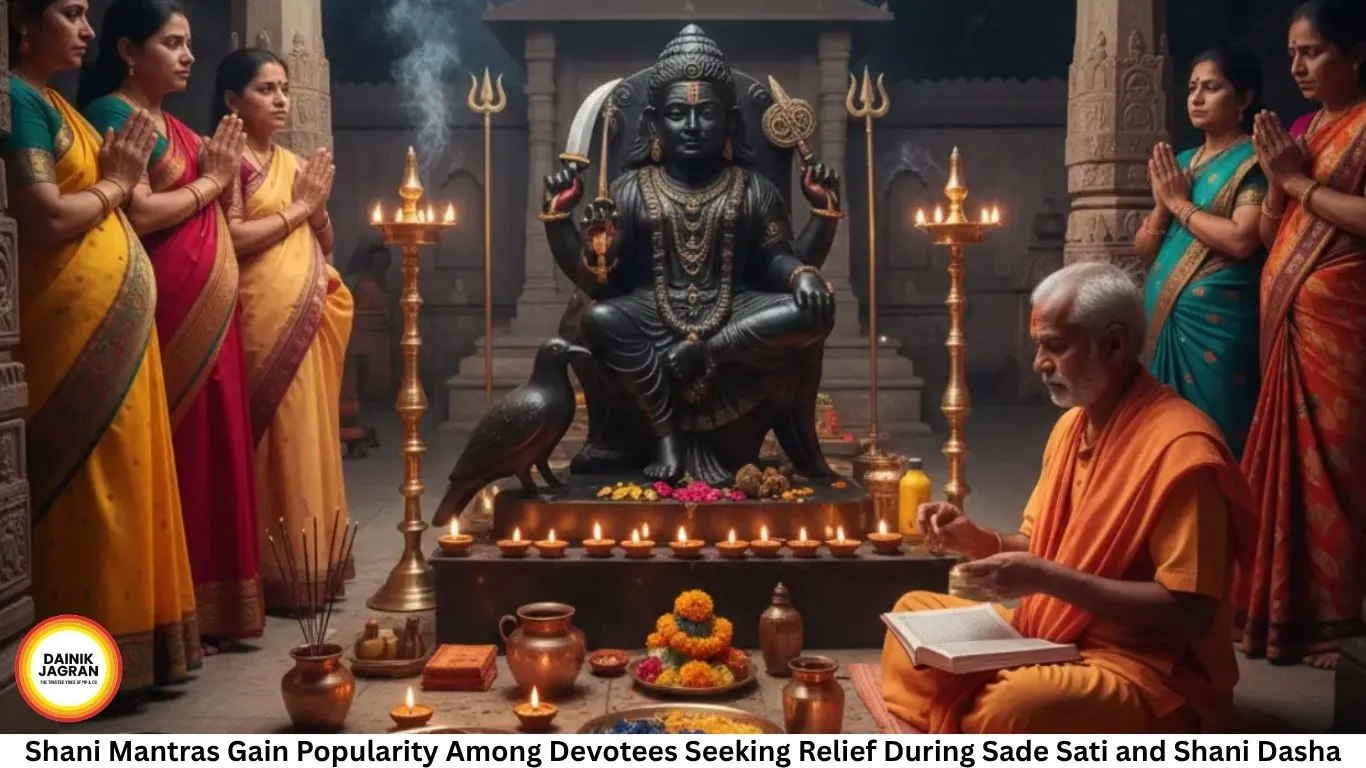
Shani Mantras Gain Popularity Among Devotees Seeking Relief During Sade Sati and Shani Dasha
Digital Desk
Astrologers and spiritual practitioners say chanting Shani mantras is believed to promote discipline, mental strength and emotional stability during challenging planetary periods.
As interest in Vedic astrology continues to grow, many devotees are turning to Shani mantras as a spiritual practice to seek relief from the effects traditionally associated with Saturn, including Sade Sati, Dhaiya and Shani Dasha. According to astrologers and religious scholars, these chants are believed to help individuals develop patience, discipline and resilience while navigating periods of struggle and uncertainty. Saturday, which is dedicated to Lord Shani, witnesses increased participation in mantra chanting, temple visits and charitable activities. Spiritual experts say the practice is aimed not only at reducing obstacles but also at encouraging self-reflection and karmic balance. While beliefs surrounding planetary influences vary among individuals, the tradition remains deeply rooted in Hindu spiritual practices and continues to attract devotees across the country.
According to traditional astrology, Lord Shani is regarded as the deity associated with justice, karma and discipline. Devotees believe that sincere worship and regular chanting can help cultivate emotional stability and a positive mindset.
Astrologers say the practice is especially popular among people experiencing Sade Sati or Shani Dasha, periods that are traditionally associated with delays, hardships and important life lessons.
Popular Shani Mantras
Among the most widely recited chants is the Shani Beej Mantra:
"Om Praam Preem Proum Sah Shanishcharaya Namah"
Devotees believe this mantra provides spiritual strength and protection. Another commonly chanted mantra is:
"Om Sham Shanicharaya Namah"
According to spiritual practitioners, this chant is intended to bring peace, reduce obstacles and promote inner balance.
Traditional Practices
Religious traditions recommend chanting Shani mantras 108 times, preferably on Saturdays. Many devotees use a Rudraksha mala and sit in a peaceful place while performing the recitation.
Offering black sesame seeds, mustard oil and maintaining a disciplined lifestyle are also considered important elements of Shani worship. Wearing dark-coloured clothes during prayers is another practice followed by some devotees.
Spiritual experts say mantra chanting is not viewed solely as a remedy for difficulties but also as a means of strengthening patience and focus. They believe regular practice encourages self-discipline and helps individuals maintain a balanced approach to life's challenges.
Modern practitioners often combine traditional rituals with meditation and mindfulness, viewing Shani worship as a path toward emotional well-being and long-term stability. Although the effectiveness of astrological remedies depends on individual faith and belief, Shani mantra chanting remains an integral part of India's spiritual heritage and continues to hold significance among millions of devotees.

--------
๐จ Beat the News Rush โ Join Now!
Get breaking alerts, hot exclusives, and game-changing stories instantly on your phone. No delays, no fluff โ just the edge you need. โก
Tap to join:ย
๐ข WhatsApp Channel: Dainik Jagran MP CG
Crave more?
๐ Facebook: Dainik Jagran MP CG English
๐ ง Twitter (X): Dainik Jagran MP CG
๐ Instagram: Dainik Jagran MP CG
Share the fire โ keep your crew ahead! ๐๏ธ๐ฅ
Shani Mantras Gain Popularity Among Devotees Seeking Relief During Sade Sati and Shani Dasha
Digital Desk
As interest in Vedic astrology continues to grow, many devotees are turning to Shani mantras as a spiritual practice to seek relief from the effects traditionally associated with Saturn, including Sade Sati, Dhaiya and Shani Dasha. According to astrologers and religious scholars, these chants are believed to help individuals develop patience, discipline and resilience while navigating periods of struggle and uncertainty. Saturday, which is dedicated to Lord Shani, witnesses increased participation in mantra chanting, temple visits and charitable activities. Spiritual experts say the practice is aimed not only at reducing obstacles but also at encouraging self-reflection and karmic balance. While beliefs surrounding planetary influences vary among individuals, the tradition remains deeply rooted in Hindu spiritual practices and continues to attract devotees across the country.
According to traditional astrology, Lord Shani is regarded as the deity associated with justice, karma and discipline. Devotees believe that sincere worship and regular chanting can help cultivate emotional stability and a positive mindset.
Astrologers say the practice is especially popular among people experiencing Sade Sati or Shani Dasha, periods that are traditionally associated with delays, hardships and important life lessons.
Popular Shani Mantras
Among the most widely recited chants is the Shani Beej Mantra:
"Om Praam Preem Proum Sah Shanishcharaya Namah"
Devotees believe this mantra provides spiritual strength and protection. Another commonly chanted mantra is:
"Om Sham Shanicharaya Namah"
According to spiritual practitioners, this chant is intended to bring peace, reduce obstacles and promote inner balance.
Traditional Practices
Religious traditions recommend chanting Shani mantras 108 times, preferably on Saturdays. Many devotees use a Rudraksha mala and sit in a peaceful place while performing the recitation.
Offering black sesame seeds, mustard oil and maintaining a disciplined lifestyle are also considered important elements of Shani worship. Wearing dark-coloured clothes during prayers is another practice followed by some devotees.
Spiritual experts say mantra chanting is not viewed solely as a remedy for difficulties but also as a means of strengthening patience and focus. They believe regular practice encourages self-discipline and helps individuals maintain a balanced approach to life's challenges.
Modern practitioners often combine traditional rituals with meditation and mindfulness, viewing Shani worship as a path toward emotional well-being and long-term stability. Although the effectiveness of astrological remedies depends on individual faith and belief, Shani mantra chanting remains an integral part of India's spiritual heritage and continues to hold significance among millions of devotees.