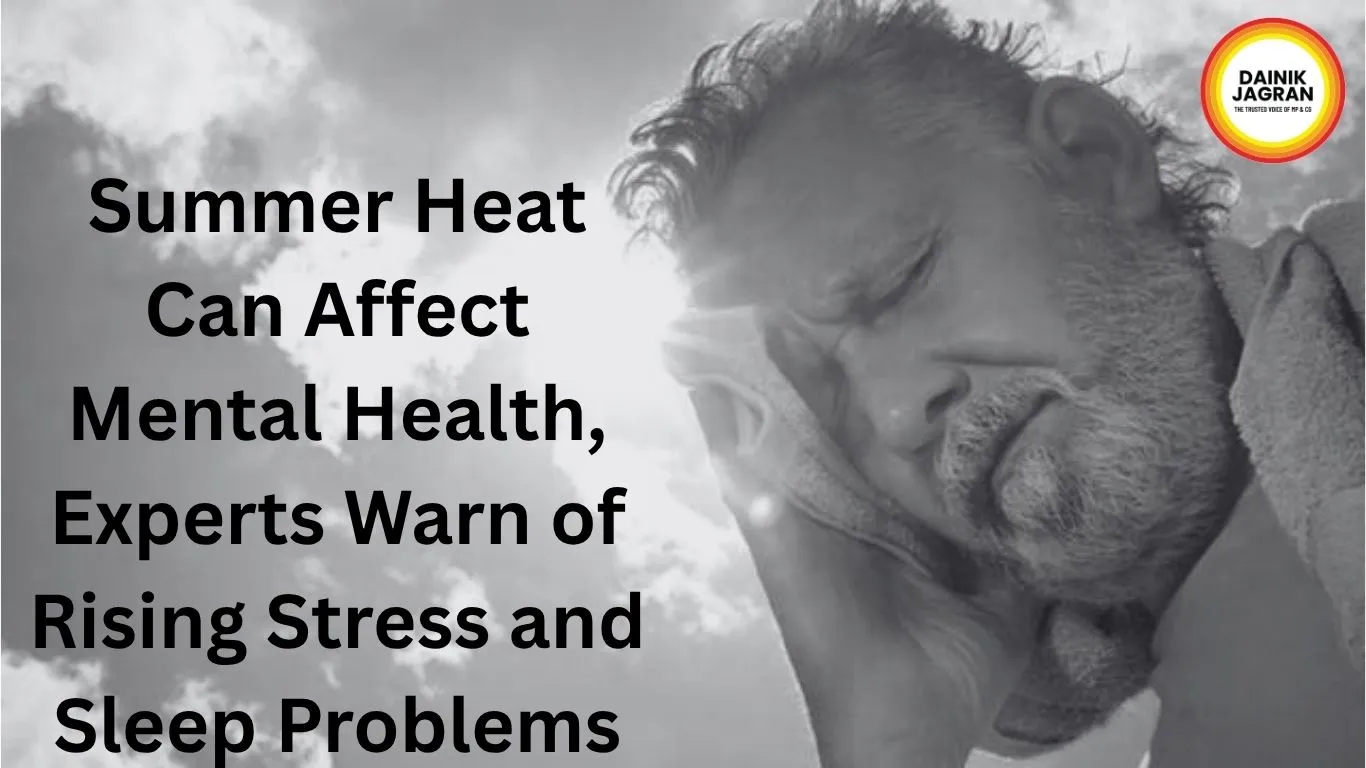
Summer Heat Can Affect Mental Health, Experts Warn of Rising Stress and Sleep Problems
Digital Desk
Health experts say prolonged exposure to high temperatures can impact mood, sleep quality and brain function, increasing the risk of anxiety and emotional distress.
As temperatures continue to soar across several parts of the country, doctors and mental health specialists are drawing attention to a lesser-known consequence of extreme heat — its effect on mental wellbeing. Experts say prolonged exposure to high temperatures can lead to fatigue, irritability, poor concentration and disturbed sleep, all of which can affect emotional balance. According to a study published in the International Journal of Environmental Research and Public Health, visits to mental health departments increase by up to 8% during summer months. Specialists attribute this trend to dehydration, disrupted sleep cycles and hormonal changes triggered by excessive heat. Clinical psychologists say people with pre-existing conditions such as anxiety, depression or sleep disorders may experience worsening symptoms during heat waves. Maintaining hydration and following healthy daily routines are being recommended as key measures to protect mental wellbeing.
Dr. Neelasha Bherwani, Senior Consultant in Clinical Psychology at Apollo Spectra Hospital, Delhi, says high temperatures force the body to expend additional energy to regulate internal temperature, which can result in physical and mental exhaustion.
According to experts, dehydration can reduce oxygen and blood supply to the brain, affecting concentration, memory and decision-making. Heat exposure may also disturb the balance of serotonin and dopamine, chemicals associated with mood regulation.
Impact on Mood and Sleep
Health specialists say heat waves can increase stress levels and irritability. Higher nighttime temperatures often interfere with sleep, leading to fatigue and emotional instability during the day.
Symptoms such as restlessness, anxiety, sudden anger, low energy, difficulty concentrating and mood swings should not be ignored, especially if they persist for several days. Doctors say prolonged sleep deprivation can aggravate existing mental health conditions.
People who work outdoors, senior citizens, children and those already dealing with anxiety, depression or sleep disorders are considered more vulnerable to heat-related mental stress.
Lifestyle Measures Matter
Experts recommend staying hydrated throughout the day and replenishing electrolytes lost through sweat. Light physical activity during cooler hours, a nutrient-rich diet and maintaining a regular sleep schedule can help preserve mental balance.
Doctors advise limiting caffeine, sugary beverages and excessive screen exposure late at night, as these habits may worsen sleep disturbances and mood fluctuations. Fresh fruits, salads and omega-3-rich foods are considered beneficial for brain health during summer.
Mental health professionals also encourage relaxation techniques such as deep breathing, meditation and taking short breaks during work hours to manage stress. Outdoor workers are advised to rest in shaded or cool places every 30 to 40 minutes and avoid prolonged exposure to direct sunlight.
In cases of nervousness, panic, dizziness or persistent restlessness, experts recommend moving to a cool environment, drinking water or oral rehydration solutions and seeking medical attention if symptoms do not improve.
As heat waves become more frequent, doctors say awareness about the connection between rising temperatures and mental health is increasingly important. They emphasize that protecting mental wellbeing during summer requires the same attention as safeguarding physical health.

--------
๐จ Beat the News Rush โ Join Now!
Get breaking alerts, hot exclusives, and game-changing stories instantly on your phone. No delays, no fluff โ just the edge you need. โก
Tap to join:ย
๐ข WhatsApp Channel: Dainik Jagran MP CG
Crave more?
๐ Facebook: Dainik Jagran MP CG English
๐ ง Twitter (X): Dainik Jagran MP CG
๐ Instagram: Dainik Jagran MP CG
Share the fire โ keep your crew ahead! ๐๏ธ๐ฅ
Summer Heat Can Affect Mental Health, Experts Warn of Rising Stress and Sleep Problems
Digital Desk
As temperatures continue to soar across several parts of the country, doctors and mental health specialists are drawing attention to a lesser-known consequence of extreme heat — its effect on mental wellbeing. Experts say prolonged exposure to high temperatures can lead to fatigue, irritability, poor concentration and disturbed sleep, all of which can affect emotional balance. According to a study published in the International Journal of Environmental Research and Public Health, visits to mental health departments increase by up to 8% during summer months. Specialists attribute this trend to dehydration, disrupted sleep cycles and hormonal changes triggered by excessive heat. Clinical psychologists say people with pre-existing conditions such as anxiety, depression or sleep disorders may experience worsening symptoms during heat waves. Maintaining hydration and following healthy daily routines are being recommended as key measures to protect mental wellbeing.
Dr. Neelasha Bherwani, Senior Consultant in Clinical Psychology at Apollo Spectra Hospital, Delhi, says high temperatures force the body to expend additional energy to regulate internal temperature, which can result in physical and mental exhaustion.
According to experts, dehydration can reduce oxygen and blood supply to the brain, affecting concentration, memory and decision-making. Heat exposure may also disturb the balance of serotonin and dopamine, chemicals associated with mood regulation.
Impact on Mood and Sleep
Health specialists say heat waves can increase stress levels and irritability. Higher nighttime temperatures often interfere with sleep, leading to fatigue and emotional instability during the day.
Symptoms such as restlessness, anxiety, sudden anger, low energy, difficulty concentrating and mood swings should not be ignored, especially if they persist for several days. Doctors say prolonged sleep deprivation can aggravate existing mental health conditions.
People who work outdoors, senior citizens, children and those already dealing with anxiety, depression or sleep disorders are considered more vulnerable to heat-related mental stress.
Lifestyle Measures Matter
Experts recommend staying hydrated throughout the day and replenishing electrolytes lost through sweat. Light physical activity during cooler hours, a nutrient-rich diet and maintaining a regular sleep schedule can help preserve mental balance.
Doctors advise limiting caffeine, sugary beverages and excessive screen exposure late at night, as these habits may worsen sleep disturbances and mood fluctuations. Fresh fruits, salads and omega-3-rich foods are considered beneficial for brain health during summer.
Mental health professionals also encourage relaxation techniques such as deep breathing, meditation and taking short breaks during work hours to manage stress. Outdoor workers are advised to rest in shaded or cool places every 30 to 40 minutes and avoid prolonged exposure to direct sunlight.
In cases of nervousness, panic, dizziness or persistent restlessness, experts recommend moving to a cool environment, drinking water or oral rehydration solutions and seeking medical attention if symptoms do not improve.
As heat waves become more frequent, doctors say awareness about the connection between rising temperatures and mental health is increasingly important. They emphasize that protecting mental wellbeing during summer requires the same attention as safeguarding physical health.