West Asia War LIVE: Iran Refuses to Reopen Strait of Hormuz Until US Meets Tehran’s Conditions

Digital desk

West Asia War LIVE: Iran Refuses to Reopen Strait of Hormuz Until US Meets Tehran’s Conditions

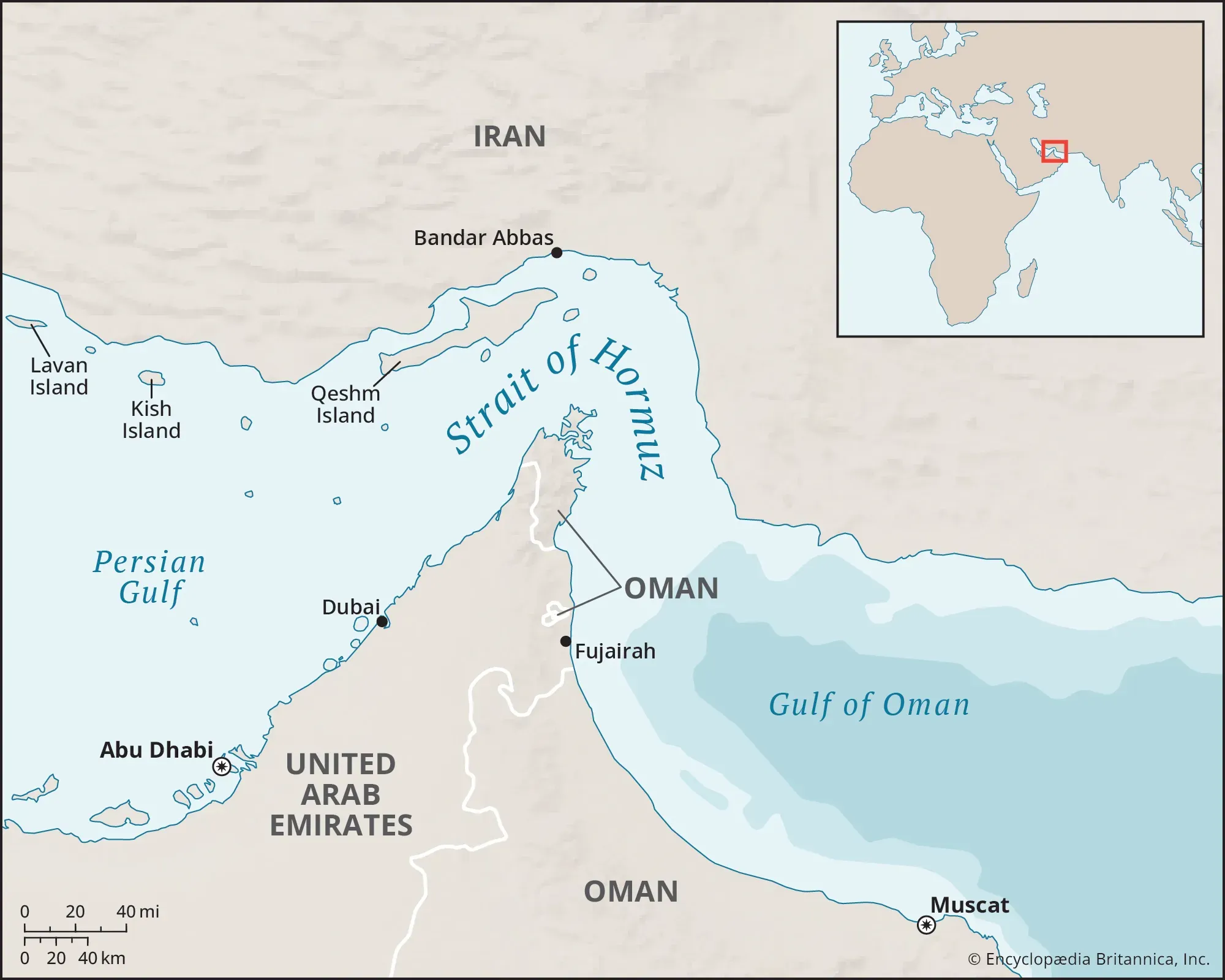
Iran says its shipping agreement with Oman is in the final stages, but the deal will only define new maritime routes and will not automatically restore normal traffic through the strategic waterway.

Iran has hardened its position on reopening the Strait of Hormuz, with the Islamic Revolutionary Guard Corps saying normal shipping will resume only after the United States accepts Tehran’s conditions.

Iranian Foreign Minister Abbas Araqchi separately said on Sunday that Tehran and Washington were not holding direct negotiations. Iran would not resume talks while the US continued to violate an interim agreement signed in June, he said.

Messages were still being exchanged through intermediaries, but this did not constitute formal negotiations, Araqchi added.

Latest Developments

  • Iran says it will not begin direct negotiations while Washington allegedly violates the June interim agreement.
  • The Iran-Oman agreement on new shipping routes is reportedly in its final stages.
  • Tehran says the route agreement will not, by itself, reopen the strait.
  • Iran is demanding an end to US threats, sanctions and the blockade of Iranian ports.
  • Tehran has also demanded the release of frozen assets and compensation for war damage.
  • The UAE has accused Iran of attacking an ADNOC-linked vessel in the strait.
  • The United States says it will lift its blockade after unrestricted commercial shipping is restored.

Iran-Oman Agreement in ‘Final Stages’

Araqchi said Iran and Oman were close to completing an agreement defining new shipping lanes through the Strait of Hormuz.

However, he stressed that reaching an agreement on the routes would not mean that commercial traffic could immediately return to normal.

The proposed arrangement is intended to create temporary maritime corridors while the larger dispute between Iran and the United States remains unresolved.

According to people familiar with the discussions cited by the Associated Press, ships could enter the strait through a route closer to Iran and leave through another route nearer Oman. Ships would not pay tolls during the proposed interim period.

The agreement could eventually be announced jointly by Iran, Oman, the United States and the International Maritime Organization. Its provisions, however, remain under negotiation and could change before a final announcement.

What Conditions Has Iran Set?

Iran’s Supreme National Security Council and the Revolutionary Guards have linked the reopening of the strait to a broader settlement with Washington.

Iran’s principal conditions include:

Iranian demand Current position
End US military threats against Iran No agreement announced
Permanent end to hostilities against Iran Unresolved
End attacks against Iran’s regional allies Rejected or disputed by Washington
Lift the US blockade of Iranian ports US says it will act after shipping is restored
Remove economic sanctions No settlement announced
Release frozen Iranian assets Unresolved
Compensation for damage caused during the war No agreement
Changes to the previous shipping system Being discussed with Oman

Iranian security official Mohammad Baqer Zolqadr said Washington must change its behaviour before the strait can fully reopen.

Revolutionary Guards spokesperson Hossein Mohebbi similarly said the waterway would reopen when the United States accepted Iran’s conditions. Reuters reported that the Guards considered the question of reopening separate from the technical Iran-Oman negotiations.

No Direct US-Iran Talks

Araqchi said on Sunday that Iran and the United States were communicating through intermediaries but were not engaged in negotiations.

“From our perspective, negotiations cannot resume until the violations of the memorandum of understanding have ended,” Araqchi said, according to the Associated Press.

The United States has presented a different interpretation of the discussions. An unnamed US official said Washington expected an Iran-Oman agreement soon and would lift the blockade of Iranian ports once unrestricted commercial shipping was restored.

The two sides therefore remain divided over sequencing: Washington wants shipping restored before removing the blockade, while Tehran wants US concessions before reopening the strait.

Reuters reported that Iran’s foreign minister said the Oman agreement would establish routes to be used only after the United States fulfilled other conditions.

UAE Accuses Iran of Attacking Oil Vessel

The negotiations are taking place amid continuing attacks on commercial shipping.

The United Arab Emirates accused Iran of launching a missile at a vessel linked to its state-owned energy company ADNOC while it was passing through the strait. No injuries were reported, and authorities said the situation was brought under control.

Iran did not immediately respond to the allegation.

ADNOC said its vessels had faced 15 missile and drone attacks since the conflict began, resulting in one crew member’s death and injuries to 20 others. The UAE has demanded that Iran halt attacks and reopen the waterway unconditionally. Reuters reported the Emirati allegations.

Why the Strait of Hormuz Matters

Approximately one-fifth of the world’s traded oil and liquefied natural gas passed through the Strait of Hormuz before the present conflict.

Any prolonged disruption can increase:

  • International crude-oil and LNG prices.
  • Tanker freight and maritime-insurance costs.
  • Fuel and transportation expenses.
  • Inflation in oil-importing countries.
  • Supply risks for Asian economies, including India.

For India, continued disruption could raise the cost of crude-oil and gas imports and place pressure on domestic petrol, diesel, LPG and fertiliser prices.

What Happens Next?

The immediate development to watch is whether Iran and Oman issue a joint statement confirming the new shipping routes.

Even if the technical agreement is signed, full reopening will remain uncertain unless Iran and the United States resolve their dispute over sanctions, compensation, port blockades and regional military operations.

The story should not be presented as a breakthrough until commercial ships begin moving through the strait without restrictions and all parties formally confirm the arrangement.

english.dainikjagranmpcg.com
09 Aug 2026 By Danik Jagran English

West Asia War LIVE: Iran Refuses to Reopen Strait of Hormuz Until US Meets Tehran’s Conditions

Digital desk

Iran has hardened its position on reopening the Strait of Hormuz, with the Islamic Revolutionary Guard Corps saying normal shipping will resume only after the United States accepts Tehran’s conditions.

Iranian Foreign Minister Abbas Araqchi separately said on Sunday that Tehran and Washington were not holding direct negotiations. Iran would not resume talks while the US continued to violate an interim agreement signed in June, he said.

Messages were still being exchanged through intermediaries, but this did not constitute formal negotiations, Araqchi added.

Latest Developments

  • Iran says it will not begin direct negotiations while Washington allegedly violates the June interim agreement.
  • The Iran-Oman agreement on new shipping routes is reportedly in its final stages.
  • Tehran says the route agreement will not, by itself, reopen the strait.
  • Iran is demanding an end to US threats, sanctions and the blockade of Iranian ports.
  • Tehran has also demanded the release of frozen assets and compensation for war damage.
  • The UAE has accused Iran of attacking an ADNOC-linked vessel in the strait.
  • The United States says it will lift its blockade after unrestricted commercial shipping is restored.

Iran-Oman Agreement in ‘Final Stages’

Araqchi said Iran and Oman were close to completing an agreement defining new shipping lanes through the Strait of Hormuz.

However, he stressed that reaching an agreement on the routes would not mean that commercial traffic could immediately return to normal.

The proposed arrangement is intended to create temporary maritime corridors while the larger dispute between Iran and the United States remains unresolved.

According to people familiar with the discussions cited by the Associated Press, ships could enter the strait through a route closer to Iran and leave through another route nearer Oman. Ships would not pay tolls during the proposed interim period.

The agreement could eventually be announced jointly by Iran, Oman, the United States and the International Maritime Organization. Its provisions, however, remain under negotiation and could change before a final announcement.

What Conditions Has Iran Set?

Iran’s Supreme National Security Council and the Revolutionary Guards have linked the reopening of the strait to a broader settlement with Washington.

Iran’s principal conditions include:

Iranian demand Current position
End US military threats against Iran No agreement announced
Permanent end to hostilities against Iran Unresolved
End attacks against Iran’s regional allies Rejected or disputed by Washington
Lift the US blockade of Iranian ports US says it will act after shipping is restored
Remove economic sanctions No settlement announced
Release frozen Iranian assets Unresolved
Compensation for damage caused during the war No agreement
Changes to the previous shipping system Being discussed with Oman

Iranian security official Mohammad Baqer Zolqadr said Washington must change its behaviour before the strait can fully reopen.

Revolutionary Guards spokesperson Hossein Mohebbi similarly said the waterway would reopen when the United States accepted Iran’s conditions. Reuters reported that the Guards considered the question of reopening separate from the technical Iran-Oman negotiations.

No Direct US-Iran Talks

Araqchi said on Sunday that Iran and the United States were communicating through intermediaries but were not engaged in negotiations.

“From our perspective, negotiations cannot resume until the violations of the memorandum of understanding have ended,” Araqchi said, according to the Associated Press.

The United States has presented a different interpretation of the discussions. An unnamed US official said Washington expected an Iran-Oman agreement soon and would lift the blockade of Iranian ports once unrestricted commercial shipping was restored.

The two sides therefore remain divided over sequencing: Washington wants shipping restored before removing the blockade, while Tehran wants US concessions before reopening the strait.

Reuters reported that Iran’s foreign minister said the Oman agreement would establish routes to be used only after the United States fulfilled other conditions.

UAE Accuses Iran of Attacking Oil Vessel

The negotiations are taking place amid continuing attacks on commercial shipping.

The United Arab Emirates accused Iran of launching a missile at a vessel linked to its state-owned energy company ADNOC while it was passing through the strait. No injuries were reported, and authorities said the situation was brought under control.

Iran did not immediately respond to the allegation.

ADNOC said its vessels had faced 15 missile and drone attacks since the conflict began, resulting in one crew member’s death and injuries to 20 others. The UAE has demanded that Iran halt attacks and reopen the waterway unconditionally. Reuters reported the Emirati allegations.

Why the Strait of Hormuz Matters

Approximately one-fifth of the world’s traded oil and liquefied natural gas passed through the Strait of Hormuz before the present conflict.

Any prolonged disruption can increase:

  • International crude-oil and LNG prices.
  • Tanker freight and maritime-insurance costs.
  • Fuel and transportation expenses.
  • Inflation in oil-importing countries.
  • Supply risks for Asian economies, including India.

For India, continued disruption could raise the cost of crude-oil and gas imports and place pressure on domestic petrol, diesel, LPG and fertiliser prices.

What Happens Next?

The immediate development to watch is whether Iran and Oman issue a joint statement confirming the new shipping routes.

Even if the technical agreement is signed, full reopening will remain uncertain unless Iran and the United States resolve their dispute over sanctions, compensation, port blockades and regional military operations.

The story should not be presented as a breakthrough until commercial ships begin moving through the strait without restrictions and all parties formally confirm the arrangement.

https://english.dainikjagranmpcg.com/breaking-news/west-asia-war-live-iran-refuses-to-reopen-strait-of/article-25395

Recommended For You

--------

🚨 Beat the News Rush – Join Now!

Get breaking alerts, hot exclusives, and game-changing stories instantly on your phone. No delays, no fluff – just the edge you need. ⚡

Tap to join: 

🟢 WhatsApp Channel: Dainik Jagran MP CG

Crave more?

🅕 Facebook: Dainik Jagran MP CG English

🅧 Twitter (X): Dainik Jagran MP CG

🅘 Instagram: Dainik Jagran MP CG

Share the fire – keep your crew ahead! 🗞️🔥

Trending News