Russia and Iran Use ₹9.92 Lakh Crore Crypto Network to Bypass Global Banking Sanctions
Digital Desk
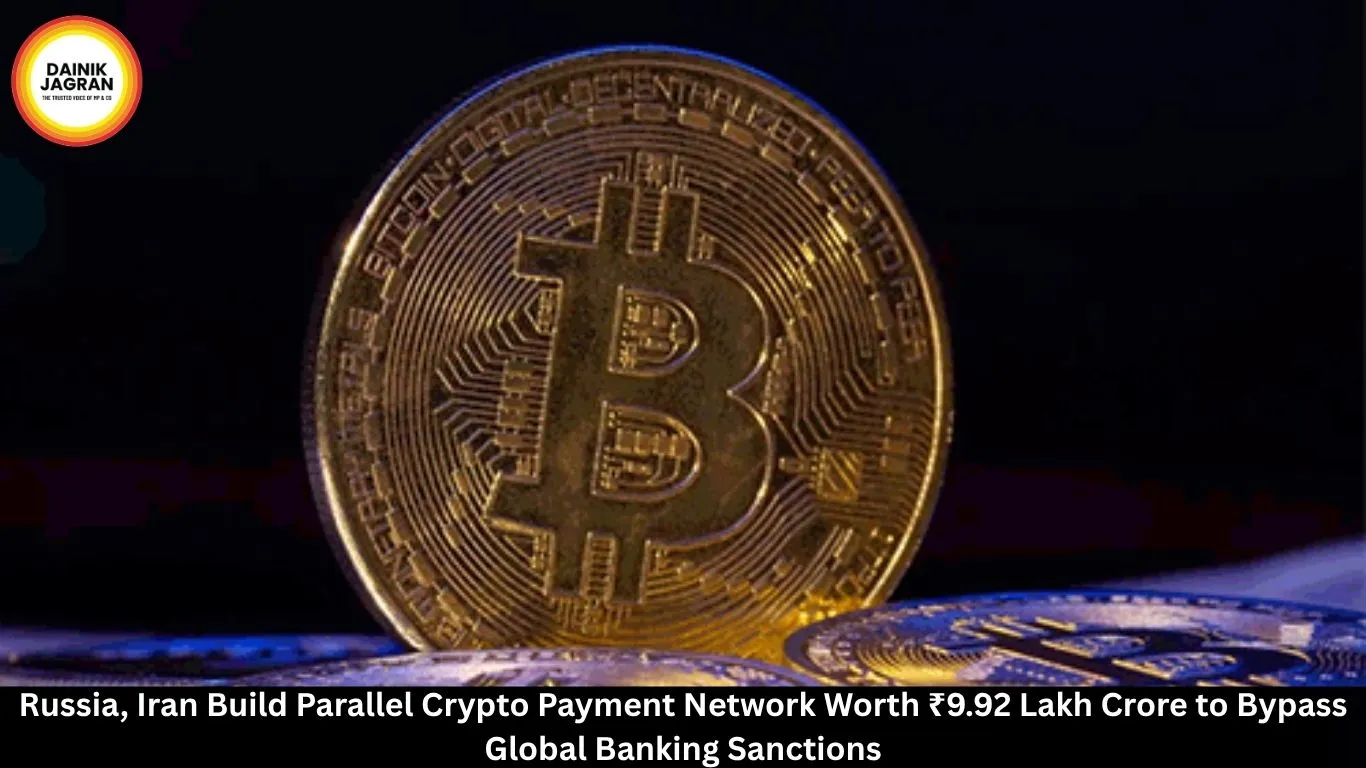
Russia, Iran and North Korea reportedly conducted cryptocurrency transactions worth ₹9.92 lakh crore in 2025, using a parallel payment network to facilitate trade outside the traditional global banking system.
Russia and Iran have significantly expanded the use of cryptocurrencies to conduct international trade, creating a parallel financial network that operates outside the conventional global banking system. According to blockchain analytics firm Chainalysis, Russia, Iran and North Korea collectively carried out cryptocurrency transactions worth nearly ₹9.92 lakh crore (around $120 billion) in 2025, marking an eight-fold increase compared to the previous year.
The report suggests that the growing use of digital assets is helping the sanctioned nations continue cross-border trade despite restrictions imposed by Western financial institutions. The cryptocurrency ecosystem is reportedly being used not only for commercial transactions but also for payments related to oil exports, military equipment, drone technology and other strategic goods.
Alternative to Traditional Banking
With access to global payment networks becoming increasingly restricted due to international sanctions, Russia and Iran have accelerated efforts to establish alternative financial channels.
Russia has introduced a ruble-backed digital token known as A75, allowing businesses to convert rubles into cryptocurrency for overseas transactions. According to available data, the network had processed transactions worth more than ₹11.4 lakh crore by May 2026 through over 41,000 accounts and nearly 2.5 lakh transfers.
Analysts believe the initiative provides Russian businesses with a mechanism to continue international payments while reducing dependence on traditional banking systems such as SWIFT.
Iran Expands Crypto-Based Oil Payments
Iran has also integrated cryptocurrency into its foreign trade strategy, particularly in the energy sector. Reports indicate that domestic cryptocurrency exchanges have become an alternative channel for settling payments related to oil exports and international trade.
According to analysts cited in the report, cryptocurrency has evolved into a long-term financial infrastructure that enables Iran to conduct overseas transactions despite economic sanctions. Digital wallets and blockchain-based transfers are increasingly being used for cross-border settlements.
North Korea Linked to Crypto Theft
The report also highlights North Korea's continued reliance on cybercrime to generate cryptocurrency assets.
According to available estimates, North Korean hackers allegedly stole cryptocurrency worth nearly ₹20,000 crore during 2025. One of the largest incidents reportedly occurred in February when the Lazarus Group was linked to the theft of digital assets worth approximately ₹14,310 crore from cryptocurrency exchange Bybit.
US authorities have previously accused North Korean cyber groups of targeting cryptocurrency platforms to generate funds for the country's strategic programmes. The FBI has linked several such cyber operations to networks operating on behalf of the North Korean regime.
Money Laundering Networks Under Scrutiny
The report further claims that organised money-laundering networks connected to China are facilitating large-scale cryptocurrency transactions for sanctioned entities.
Chainalysis estimates that these networks process nearly ₹4,200 crore worth of illicit funds every day, operating under a so-called "laundering-as-a-service" model. During 2025 alone, the value of allegedly laundered cryptocurrency reportedly crossed ₹1.54 lakh crore.
Investigators believe such networks help obscure the origin of funds and enable transactions involving sanctioned countries and criminal organisations.
Fake Remote Jobs Used to Access Crypto Firms
Another emerging concern highlighted in the report involves operatives allegedly using fake identities, AI-generated documents and deepfake video interviews to secure remote jobs in cryptocurrency and technology companies across multiple countries.
The report estimates that these operations generated approximately ₹26,700 crore over the past two years. In several cases, local facilitators allegedly established shell firms to make remote employees appear to be working legally within their respective jurisdictions.
Growing Regulatory Concerns
The rapid expansion of cryptocurrency-based trade among sanctioned nations has intensified concerns among governments and financial regulators worldwide. Experts warn that while blockchain technology offers legitimate financial innovation, it can also be exploited to circumvent sanctions, conceal financial flows and facilitate illicit trade if oversight remains inadequate.
As geopolitical tensions continue to reshape global finance, the increasing use of digital assets by sanctioned economies is expected to remain a key focus for regulators, intelligence agencies and international financial institutions.
--------
🚨 Beat the News Rush – Join Now!
Get breaking alerts, hot exclusives, and game-changing stories instantly on your phone. No delays, no fluff – just the edge you need. ⚡
Tap to join:
🟢 WhatsApp Channel: Dainik Jagran MP CG
Crave more?
🅕 Facebook: Dainik Jagran MP CG English
🅧 Twitter (X): Dainik Jagran MP CG
🅘 Instagram: Dainik Jagran MP CG
Share the fire – keep your crew ahead! 🗞️🔥
Russia and Iran Use ₹9.92 Lakh Crore Crypto Network to Bypass Global Banking Sanctions
Digital Desk
Russia and Iran have significantly expanded the use of cryptocurrencies to conduct international trade, creating a parallel financial network that operates outside the conventional global banking system. According to blockchain analytics firm Chainalysis, Russia, Iran and North Korea collectively carried out cryptocurrency transactions worth nearly ₹9.92 lakh crore (around $120 billion) in 2025, marking an eight-fold increase compared to the previous year.
The report suggests that the growing use of digital assets is helping the sanctioned nations continue cross-border trade despite restrictions imposed by Western financial institutions. The cryptocurrency ecosystem is reportedly being used not only for commercial transactions but also for payments related to oil exports, military equipment, drone technology and other strategic goods.
Alternative to Traditional Banking
With access to global payment networks becoming increasingly restricted due to international sanctions, Russia and Iran have accelerated efforts to establish alternative financial channels.
Russia has introduced a ruble-backed digital token known as A75, allowing businesses to convert rubles into cryptocurrency for overseas transactions. According to available data, the network had processed transactions worth more than ₹11.4 lakh crore by May 2026 through over 41,000 accounts and nearly 2.5 lakh transfers.
Analysts believe the initiative provides Russian businesses with a mechanism to continue international payments while reducing dependence on traditional banking systems such as SWIFT.
Iran Expands Crypto-Based Oil Payments
Iran has also integrated cryptocurrency into its foreign trade strategy, particularly in the energy sector. Reports indicate that domestic cryptocurrency exchanges have become an alternative channel for settling payments related to oil exports and international trade.
According to analysts cited in the report, cryptocurrency has evolved into a long-term financial infrastructure that enables Iran to conduct overseas transactions despite economic sanctions. Digital wallets and blockchain-based transfers are increasingly being used for cross-border settlements.
North Korea Linked to Crypto Theft
The report also highlights North Korea's continued reliance on cybercrime to generate cryptocurrency assets.
According to available estimates, North Korean hackers allegedly stole cryptocurrency worth nearly ₹20,000 crore during 2025. One of the largest incidents reportedly occurred in February when the Lazarus Group was linked to the theft of digital assets worth approximately ₹14,310 crore from cryptocurrency exchange Bybit.
US authorities have previously accused North Korean cyber groups of targeting cryptocurrency platforms to generate funds for the country's strategic programmes. The FBI has linked several such cyber operations to networks operating on behalf of the North Korean regime.
Money Laundering Networks Under Scrutiny
The report further claims that organised money-laundering networks connected to China are facilitating large-scale cryptocurrency transactions for sanctioned entities.
Chainalysis estimates that these networks process nearly ₹4,200 crore worth of illicit funds every day, operating under a so-called "laundering-as-a-service" model. During 2025 alone, the value of allegedly laundered cryptocurrency reportedly crossed ₹1.54 lakh crore.
Investigators believe such networks help obscure the origin of funds and enable transactions involving sanctioned countries and criminal organisations.
Fake Remote Jobs Used to Access Crypto Firms
Another emerging concern highlighted in the report involves operatives allegedly using fake identities, AI-generated documents and deepfake video interviews to secure remote jobs in cryptocurrency and technology companies across multiple countries.
The report estimates that these operations generated approximately ₹26,700 crore over the past two years. In several cases, local facilitators allegedly established shell firms to make remote employees appear to be working legally within their respective jurisdictions.
Growing Regulatory Concerns
The rapid expansion of cryptocurrency-based trade among sanctioned nations has intensified concerns among governments and financial regulators worldwide. Experts warn that while blockchain technology offers legitimate financial innovation, it can also be exploited to circumvent sanctions, conceal financial flows and facilitate illicit trade if oversight remains inadequate.
As geopolitical tensions continue to reshape global finance, the increasing use of digital assets by sanctioned economies is expected to remain a key focus for regulators, intelligence agencies and international financial institutions.