Bangladesh Jail Death: Hindu Singer Proloy Chaki Dies, Family Alleges Medical Negligence
Digital Desk
Bangladesh Jail Death: Singer’s Death in Custody Sparks Allegations of Negligence
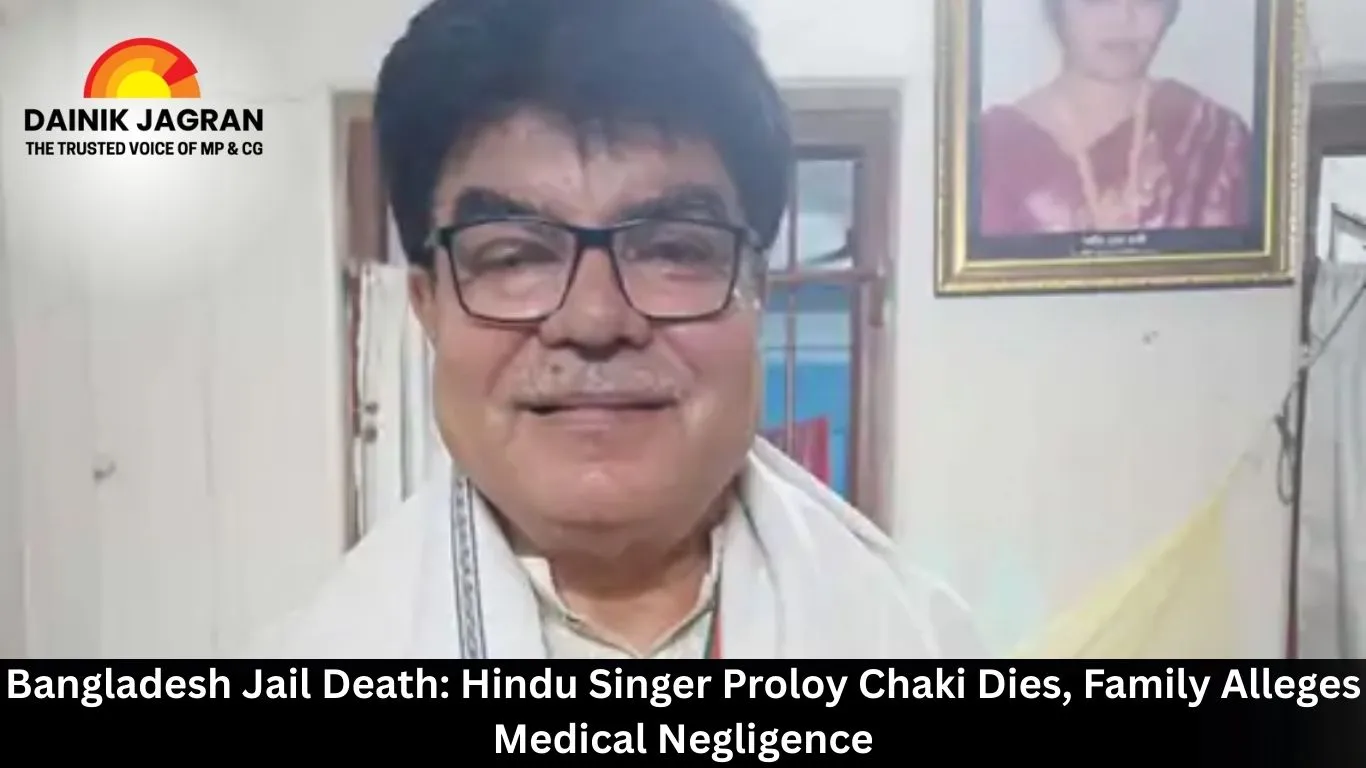
A Bangladeshi singer from the country’s Hindu minority has died in custody, with his family alleging that jail authorities failed to provide him with timely, adequate medical treatment. The death of Proloy Chaki, a local cultural figure and member of the currently banned Awami League, has ignited controversy and raised familiar questions about prison conditions in Bangladesh.
Chaki, arrested at his Pabna home in mid-December, passed away Sunday night at Rajshahi Medical College Hospital. His family claims his death was preventable, pointing to a series of systemic failures in his care while detained.
Family Alleges Critical Treatment Delays
The singer’s son, music director Sani Chaki, has publicly rejected the jail administration’s version of events. He states his father suffered from multiple serious comorbidities, including diabetes, hypertension, heart disease, and severe eye problems. Despite these known conditions, the family alleges he did not receive proper care in prison.
“When his health deteriorated, he was taken to a hospital without cardiac facilities, sent back to jail, and only later referred to a specialized unit,” Sani Chaki asserted. This delay, the family contends, critically worsened his condition and led to his death after a reported heart attack last Friday.
Jail Administration Denies Wrongdoing
In stark contrast, Pabna District Jail Superintendent Mohammad Omar Faruk has firmly denied any negligence. Authorities state that Proloy Chaki was immediately treated when his health declined and that there was “no delay of any kind.” They cite his pre-existing illnesses as the cause of death, framing the response as prompt and by the book.
This "he-said, they-said" narrative is at the heart of the incident. The jail’s account emphasizes procedure, while the family’s allegations suggest a lack of urgency and appropriate medical triage for a seriously ill detainee.
A Political Prisoner’s Death
Adding a layer of complexity is Chaki’s political affiliation. He was the cultural secretary for the district-level Awami League, the party currently outlawed by the government. His arrest itself, jail sources suggest, was linked to this affiliation. This context transforms a tragic death into a potential political flashpoint, highlighting the fraught environment for opposition members in the country.
A Grim Pattern in Bangladesh’s Prisons?
This incident is not isolated. According to data from the human rights organization Ain o Salish Kendra, at least 107 individuals died in Bangladeshi jails in 2025 alone—a significant increase from the 65 recorded in 2024. These stark statistics paint a picture of a systemic crisis within the correctional system, where inadequate healthcare for inmates, particularly those with pre-existing conditions, appears to be a chronic issue.
The Path Forward
As Proloy Chaki’s body is prepared for last rites, the demands for a transparent investigation grow louder. His death underscores an urgent need to scrutinize medical protocols and humanitarian treatment within detention facilities. Until accountability is addressed and systemic reforms are implemented, fears remain that such Bangladesh jail death reports will continue to emerge, eroding public trust and highlighting a dire human rights challenge.



.jpg)