Gulf States Uneasy With Trump’s Iran Strategy as Strait of Hormuz Talks Stall
Digital desk
Gulf allies are reportedly concerned over the lack of progress in US-Iran talks as Trump demands the reopening of the Strait of Hormuz and Iran seeks US concessions.
Differences are emerging between the United States and some of its Gulf allies over President Donald Trump’s approach to negotiations with Iran, with regional governments reportedly concerned that prolonged talks have yet to produce a firm agreement.
According to a report cited from The Washington Post, some Gulf countries are disappointed with Washington’s efforts to reach a settlement with Tehran. The report said these governments believe the negotiations have failed to deliver a meaningful outcome despite continuing diplomatic engagement.
The White House has rejected suggestions that Gulf leaders are unhappy with Trump, saying the US president maintains strong relationships with leaders across the region and that Washington has remained in close contact with its allies since the conflict began.
Trump Rules Out Immediate Attack
Trump has also indicated that the United States is not currently preparing for another military strike against Iran.
According to Axios, Trump said last week that Washington was engaged in what he described as “half-hearted talks” with Tehran while closely watching Iran’s worsening economic situation.
The US president had previously cancelled a planned military operation against Iran, saying that a diplomatic agreement could make further military action unnecessary.
The uncertainty surrounding the negotiations has nevertheless kept military escalation as a possibility, particularly if discussions fail to resolve the major issues separating Washington and Tehran.
Hormuz Becomes Key Dispute
One of the biggest obstacles in the negotiations is the Strait of Hormuz, a strategically important waterway between Iran and Oman through which a significant share of global oil and gas shipments passes.
Trump has demanded that the strait be reopened fully and immediately. Iran, however, has linked the reopening to the lifting of what it describes as a US naval blockade and the withdrawal of American forces positioned near Iranian territory.
The dispute has broader implications because any prolonged disruption in the waterway could affect global energy supplies and push up international oil prices.
Iran and Oman Hold Separate Talks
Iranian Foreign Minister Abbas Araghchi has said that Tehran is separately holding discussions with Oman regarding the Strait of Hormuz.
The talks reportedly involve practical and technical questions, including the establishment of safe routes for commercial vessels using the waterway.
Araghchi has stressed that these discussions are separate from the wider negotiations between Iran and the United States.
Oman has previously played an important role in facilitating communication between Washington and Tehran, making its involvement particularly significant as both sides seek a way through the current impasse.
Gulf States Take Different Positions
Despite being close US partners, Gulf countries are not taking a uniform position on how Washington should deal with Iran.
The United Arab Emirates is reportedly more supportive of increased military pressure on Tehran. The UAE's position is based on the assessment that Iran's Islamic Revolutionary Guard Corps could be forced to make concessions if Washington increases pressure and establishes greater control over the Strait of Hormuz.
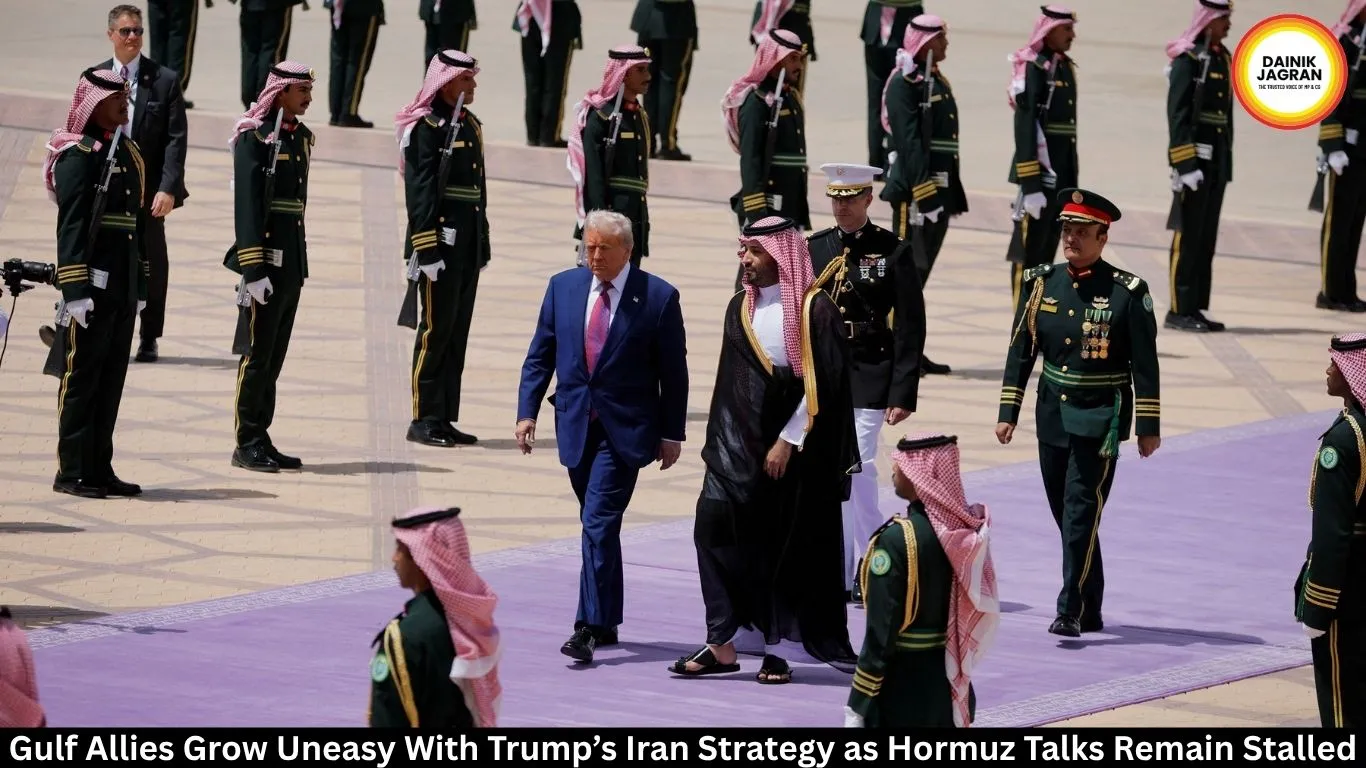
Saudi Arabia, by contrast, has favoured dialogue and de-escalation. Riyadh had previously opposed a US plan to use military force to reopen the waterway.
Saudi Crown Prince Mohammed bin Salman also reportedly urged Trump by telephone not to pursue further military action.
Qatar Pushes Mediation
Qatar has emerged as one of the key regional mediators in discussions involving Iran, the United States and Oman.
Qatari officials have reportedly been communicating with Trump and conveyed that Iran had accepted a proposal concerning the Strait of Hormuz.
Qatar's role reflects the wider Gulf concern that a prolonged confrontation between Washington and Tehran could have serious consequences for regional security, trade and energy markets.
Iran Accuses US and Israel
Iranian President Masoud Pezeshkian has meanwhile accused the United States and Israel of attempting to turn Gulf countries against Tehran.
Speaking to Iranian state television, Pezeshkian said Washington and Tel Aviv were exploiting Iran's internal difficulties and attempting to weaken its relationships with neighbouring countries.
At the same time, he stressed the importance of improving ties with Gulf states, signalling Tehran's interest in preventing the current tensions from developing into a broader regional confrontation.
Energy Markets Remain at Risk
The disagreement over the Strait of Hormuz remains particularly sensitive because of its importance to global energy trade.
A prolonged closure or restricted movement through the waterway could disrupt oil and gas supplies from Gulf producers and create additional volatility in international markets.
For Washington's Gulf allies, the priority is therefore not limited to the outcome of the US-Iran negotiations. The security of the waterway, avoidance of a wider war and stability in regional energy markets are also major concerns.
With Washington and Tehran still divided over the terms of a possible agreement, Gulf governments are likely to continue balancing their security relationship with the United States against the economic and geopolitical risks of further confrontation with Iran.
Gulf States Uneasy With Trump’s Iran Strategy as Strait of Hormuz Talks Stall
Digital desk
Differences are emerging between the United States and some of its Gulf allies over President Donald Trump’s approach to negotiations with Iran, with regional governments reportedly concerned that prolonged talks have yet to produce a firm agreement.
According to a report cited from The Washington Post, some Gulf countries are disappointed with Washington’s efforts to reach a settlement with Tehran. The report said these governments believe the negotiations have failed to deliver a meaningful outcome despite continuing diplomatic engagement.
The White House has rejected suggestions that Gulf leaders are unhappy with Trump, saying the US president maintains strong relationships with leaders across the region and that Washington has remained in close contact with its allies since the conflict began.
Trump Rules Out Immediate Attack
Trump has also indicated that the United States is not currently preparing for another military strike against Iran.
According to Axios, Trump said last week that Washington was engaged in what he described as “half-hearted talks” with Tehran while closely watching Iran’s worsening economic situation.
The US president had previously cancelled a planned military operation against Iran, saying that a diplomatic agreement could make further military action unnecessary.
The uncertainty surrounding the negotiations has nevertheless kept military escalation as a possibility, particularly if discussions fail to resolve the major issues separating Washington and Tehran.
Hormuz Becomes Key Dispute
One of the biggest obstacles in the negotiations is the Strait of Hormuz, a strategically important waterway between Iran and Oman through which a significant share of global oil and gas shipments passes.
Trump has demanded that the strait be reopened fully and immediately. Iran, however, has linked the reopening to the lifting of what it describes as a US naval blockade and the withdrawal of American forces positioned near Iranian territory.
The dispute has broader implications because any prolonged disruption in the waterway could affect global energy supplies and push up international oil prices.
Iran and Oman Hold Separate Talks
Iranian Foreign Minister Abbas Araghchi has said that Tehran is separately holding discussions with Oman regarding the Strait of Hormuz.
The talks reportedly involve practical and technical questions, including the establishment of safe routes for commercial vessels using the waterway.
Araghchi has stressed that these discussions are separate from the wider negotiations between Iran and the United States.
Oman has previously played an important role in facilitating communication between Washington and Tehran, making its involvement particularly significant as both sides seek a way through the current impasse.
Gulf States Take Different Positions
Despite being close US partners, Gulf countries are not taking a uniform position on how Washington should deal with Iran.
The United Arab Emirates is reportedly more supportive of increased military pressure on Tehran. The UAE's position is based on the assessment that Iran's Islamic Revolutionary Guard Corps could be forced to make concessions if Washington increases pressure and establishes greater control over the Strait of Hormuz.
Saudi Arabia, by contrast, has favoured dialogue and de-escalation. Riyadh had previously opposed a US plan to use military force to reopen the waterway.
Saudi Crown Prince Mohammed bin Salman also reportedly urged Trump by telephone not to pursue further military action.
Qatar Pushes Mediation
Qatar has emerged as one of the key regional mediators in discussions involving Iran, the United States and Oman.
Qatari officials have reportedly been communicating with Trump and conveyed that Iran had accepted a proposal concerning the Strait of Hormuz.
Qatar's role reflects the wider Gulf concern that a prolonged confrontation between Washington and Tehran could have serious consequences for regional security, trade and energy markets.
Iran Accuses US and Israel
Iranian President Masoud Pezeshkian has meanwhile accused the United States and Israel of attempting to turn Gulf countries against Tehran.
Speaking to Iranian state television, Pezeshkian said Washington and Tel Aviv were exploiting Iran's internal difficulties and attempting to weaken its relationships with neighbouring countries.
At the same time, he stressed the importance of improving ties with Gulf states, signalling Tehran's interest in preventing the current tensions from developing into a broader regional confrontation.
Energy Markets Remain at Risk
The disagreement over the Strait of Hormuz remains particularly sensitive because of its importance to global energy trade.
A prolonged closure or restricted movement through the waterway could disrupt oil and gas supplies from Gulf producers and create additional volatility in international markets.
For Washington's Gulf allies, the priority is therefore not limited to the outcome of the US-Iran negotiations. The security of the waterway, avoidance of a wider war and stability in regional energy markets are also major concerns.
With Washington and Tehran still divided over the terms of a possible agreement, Gulf governments are likely to continue balancing their security relationship with the United States against the economic and geopolitical risks of further confrontation with Iran.
Recommended For You
--------
🚨 Beat the News Rush – Join Now!
Get breaking alerts, hot exclusives, and game-changing stories instantly on your phone. No delays, no fluff – just the edge you need. ⚡
Tap to join:
🟢 WhatsApp Channel: Dainik Jagran MP CG
Crave more?
🅕 Facebook: Dainik Jagran MP CG English
🅧 Twitter (X): Dainik Jagran MP CG
🅘 Instagram: Dainik Jagran MP CG
Share the fire – keep your crew ahead! 🗞️🔥