Ford to Shift Lincoln Production From China to US From 2030 Amid Tariff War

Digital desk

Ford to Shift Lincoln Production From China to US From 2030 Amid Tariff War

Ford plans to shift production of some Lincoln models from China to the US from 2030 as 52.5% tariffs and US-China trade tensions reshape automotive supply chains.

Ford Motor is planning to move production of some Lincoln models from China to the United States starting in 2030, as rising tariffs and growing trade tensions between Washington and Beijing push the automaker to reduce its dependence on Chinese manufacturing.

Ford CEO Jim Farley described the decision as “difficult but necessary”, saying the move would strengthen the company’s US manufacturing base. Ford has not yet disclosed which US plant will produce the affected Lincoln models.

Tariffs Drive Production Shift

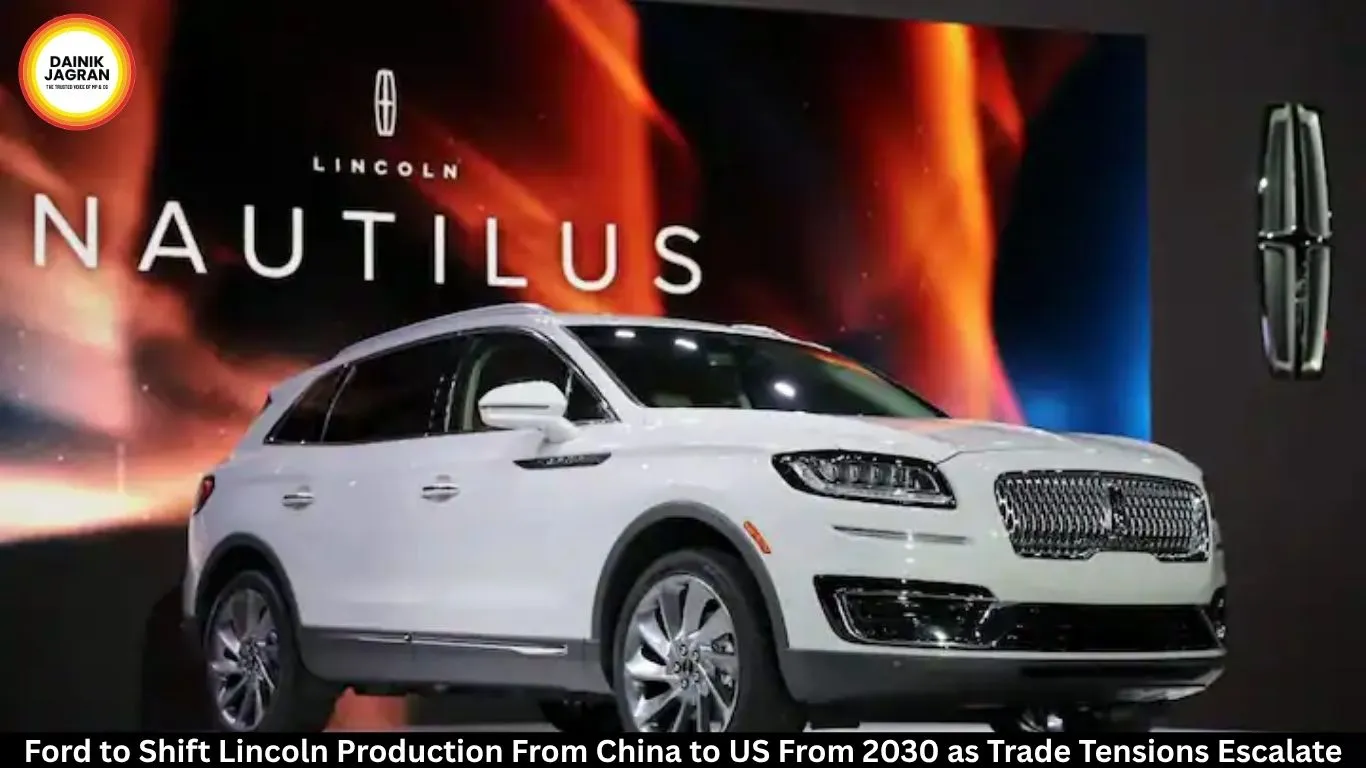
The decision comes as vehicles imported from China face significantly higher duties in the US. Ford said the tariff on the Lincoln Nautilus, its primary vehicle imported from China, currently stands at 52.5 per cent.

Also Read... India Adds 27 Arunachal Pradesh Places to Official Map Amid China Renaming Row

Farley told Reuters that tariffs were the main reason behind the production shift, while restrictions on Chinese automotive technology also influenced the company's decision.

Also Read... Trump Secretly Switched Planes in Turkey Over Security Threat, Iran Link Reported

“We made this decision as soon as the policy of the administration was set,” Farley said, referring to the tariff policies introduced under US President Donald Trump.

Also Read... Putin Says India Showing Interest in Russia's Northern Sea Route

The move reflects the growing impact of US trade policy on decisions traditionally driven by manufacturing costs, logistics and consumer demand.

Nautilus Faces China-Related Rules

The Lincoln Nautilus has become a particular focus because it is manufactured in China for the US market.

Ford previously said the vehicle's software was developed in the United States but installed in China. This raised questions over whether the vehicle would require approval under Washington's restrictions on certain Chinese-connected automotive technology.

The US has introduced its Connected Vehicle Rule, which restricts the use of certain Chinese technology and hardware in vehicles sold in the country on national-security grounds.

Ford had sought authorisation from the US Commerce Department for potentially affected vehicles. However, the company later said discussions with the department established that the Lincoln Nautilus no longer required such authorisation to remain on sale in the US.

Ford sold around 34,000 Nautilus vehicles in the United States last year.

US Manufacturing Gets Push

Ford's decision comes as the Trump administration encourages companies to manufacture more products domestically and reduce reliance on overseas supply chains.

US Commerce Secretary Howard Lutnick said domestic manufacturing would give Ford an advantage as the company expands production in the United States.

The strategy is part of a broader effort by Washington to reduce economic and technological dependence on China, particularly in industries considered strategically important.

For Ford, shifting production to the US could increase manufacturing costs. However, it would also reduce the company's exposure to tariffs and some regulatory uncertainties surrounding Chinese production.

GM Also Moving Production

Ford is not the only major US automaker adjusting its manufacturing strategy.

General Motors has announced plans to move production of its Buick Envision from China to the United States beginning in 2028.

The decisions by Ford and GM indicate that tariffs and technology restrictions are increasingly influencing where vehicles destined for the US market are manufactured.

The changes could also affect suppliers and logistics networks that have developed around China's automotive manufacturing industry.

US-China Trade Fight Widens

The automotive sector has become an important part of the broader economic confrontation between the United States and China.

Washington has introduced tariffs, investment restrictions and technology-related measures aimed at limiting China's influence in strategically important industries.

The US Connected Vehicle Rule is one such measure, targeting certain Chinese-linked software and hardware used in vehicles.

US lawmakers are also considering additional restrictions. A proposal approved by the Senate Commerce Committee in July would prevent companies more than 15 per cent owned by Chinese entities from selling vehicles in the US if the measure becomes law.

Such restrictions could affect several international automakers with Chinese ownership or investment links.

Lincoln Already Manufactures in US

Lincoln already has a significant manufacturing presence in the United States.

Ford produces the Lincoln Navigator at its Louisville, Kentucky, facility and the Lincoln Aviator at its Chicago Assembly Plant. Both models are also exported to markets including Canada, Mexico and the Middle East.

The planned transfer of additional Lincoln production from China would therefore expand the brand's existing US manufacturing footprint.

Ford has yet to specify which Lincoln models will be moved or identify the US facilities that will receive the production.

Supply Chains Enter New Phase

Ford's decision highlights how geopolitical tensions are increasingly reshaping global automotive supply chains.

For years, automakers have relied on international manufacturing networks to control costs and access major markets. However, tariffs, technology restrictions and national-security concerns are now becoming equally important factors in production decisions.

Moving Lincoln production to the US could help Ford limit the impact of future tariffs on China-made vehicles, while also aligning the company more closely with Washington's push for domestic manufacturing.

The shift planned for 2030 is therefore another sign that the US-China trade dispute is moving beyond tariffs and into the structure of global manufacturing itself.


english.dainikjagranmpcg.com
13 Aug 2026 By Abhishek Joshi

Ford to Shift Lincoln Production From China to US From 2030 Amid Tariff War

Digital desk

Ford Motor is planning to move production of some Lincoln models from China to the United States starting in 2030, as rising tariffs and growing trade tensions between Washington and Beijing push the automaker to reduce its dependence on Chinese manufacturing.

Ford CEO Jim Farley described the decision as “difficult but necessary”, saying the move would strengthen the company’s US manufacturing base. Ford has not yet disclosed which US plant will produce the affected Lincoln models.

Tariffs Drive Production Shift

The decision comes as vehicles imported from China face significantly higher duties in the US. Ford said the tariff on the Lincoln Nautilus, its primary vehicle imported from China, currently stands at 52.5 per cent.

Farley told Reuters that tariffs were the main reason behind the production shift, while restrictions on Chinese automotive technology also influenced the company's decision.

“We made this decision as soon as the policy of the administration was set,” Farley said, referring to the tariff policies introduced under US President Donald Trump.

The move reflects the growing impact of US trade policy on decisions traditionally driven by manufacturing costs, logistics and consumer demand.

Nautilus Faces China-Related Rules

The Lincoln Nautilus has become a particular focus because it is manufactured in China for the US market.

Ford previously said the vehicle's software was developed in the United States but installed in China. This raised questions over whether the vehicle would require approval under Washington's restrictions on certain Chinese-connected automotive technology.

The US has introduced its Connected Vehicle Rule, which restricts the use of certain Chinese technology and hardware in vehicles sold in the country on national-security grounds.

Ford had sought authorisation from the US Commerce Department for potentially affected vehicles. However, the company later said discussions with the department established that the Lincoln Nautilus no longer required such authorisation to remain on sale in the US.

Ford sold around 34,000 Nautilus vehicles in the United States last year.

US Manufacturing Gets Push

Ford's decision comes as the Trump administration encourages companies to manufacture more products domestically and reduce reliance on overseas supply chains.

US Commerce Secretary Howard Lutnick said domestic manufacturing would give Ford an advantage as the company expands production in the United States.

The strategy is part of a broader effort by Washington to reduce economic and technological dependence on China, particularly in industries considered strategically important.

For Ford, shifting production to the US could increase manufacturing costs. However, it would also reduce the company's exposure to tariffs and some regulatory uncertainties surrounding Chinese production.

GM Also Moving Production

Ford is not the only major US automaker adjusting its manufacturing strategy.

General Motors has announced plans to move production of its Buick Envision from China to the United States beginning in 2028.

The decisions by Ford and GM indicate that tariffs and technology restrictions are increasingly influencing where vehicles destined for the US market are manufactured.

The changes could also affect suppliers and logistics networks that have developed around China's automotive manufacturing industry.

US-China Trade Fight Widens

The automotive sector has become an important part of the broader economic confrontation between the United States and China.

Washington has introduced tariffs, investment restrictions and technology-related measures aimed at limiting China's influence in strategically important industries.

The US Connected Vehicle Rule is one such measure, targeting certain Chinese-linked software and hardware used in vehicles.

US lawmakers are also considering additional restrictions. A proposal approved by the Senate Commerce Committee in July would prevent companies more than 15 per cent owned by Chinese entities from selling vehicles in the US if the measure becomes law.

Such restrictions could affect several international automakers with Chinese ownership or investment links.

Lincoln Already Manufactures in US

Lincoln already has a significant manufacturing presence in the United States.

Ford produces the Lincoln Navigator at its Louisville, Kentucky, facility and the Lincoln Aviator at its Chicago Assembly Plant. Both models are also exported to markets including Canada, Mexico and the Middle East.

The planned transfer of additional Lincoln production from China would therefore expand the brand's existing US manufacturing footprint.

Ford has yet to specify which Lincoln models will be moved or identify the US facilities that will receive the production.

Supply Chains Enter New Phase

Ford's decision highlights how geopolitical tensions are increasingly reshaping global automotive supply chains.

For years, automakers have relied on international manufacturing networks to control costs and access major markets. However, tariffs, technology restrictions and national-security concerns are now becoming equally important factors in production decisions.

Moving Lincoln production to the US could help Ford limit the impact of future tariffs on China-made vehicles, while also aligning the company more closely with Washington's push for domestic manufacturing.

The shift planned for 2030 is therefore another sign that the US-China trade dispute is moving beyond tariffs and into the structure of global manufacturing itself.

 

https://english.dainikjagranmpcg.com/international/ford-to-shift-lincoln-production-from-china-to-us-from/article-25878

--------

🚨 Beat the News Rush – Join Now!

Get breaking alerts, hot exclusives, and game-changing stories instantly on your phone. No delays, no fluff – just the edge you need. ⚡

Tap to join: 

🟢 WhatsApp Channel: Dainik Jagran MP CG

Crave more?

🅕 Facebook: Dainik Jagran MP CG English

🅧 Twitter (X): Dainik Jagran MP CG

🅘 Instagram: Dainik Jagran MP CG

Share the fire – keep your crew ahead! 🗞️🔥

Trending News