Indian marine biologist and wildlife photographer Gaurav Patil has been named the Overall Winner of the Mangrove Photographer of the Year 2026, earning international recognition for a striking photograph that exposes the silent environmental damage caused by abandoned fishing nets, commonly known as "ghost nets."
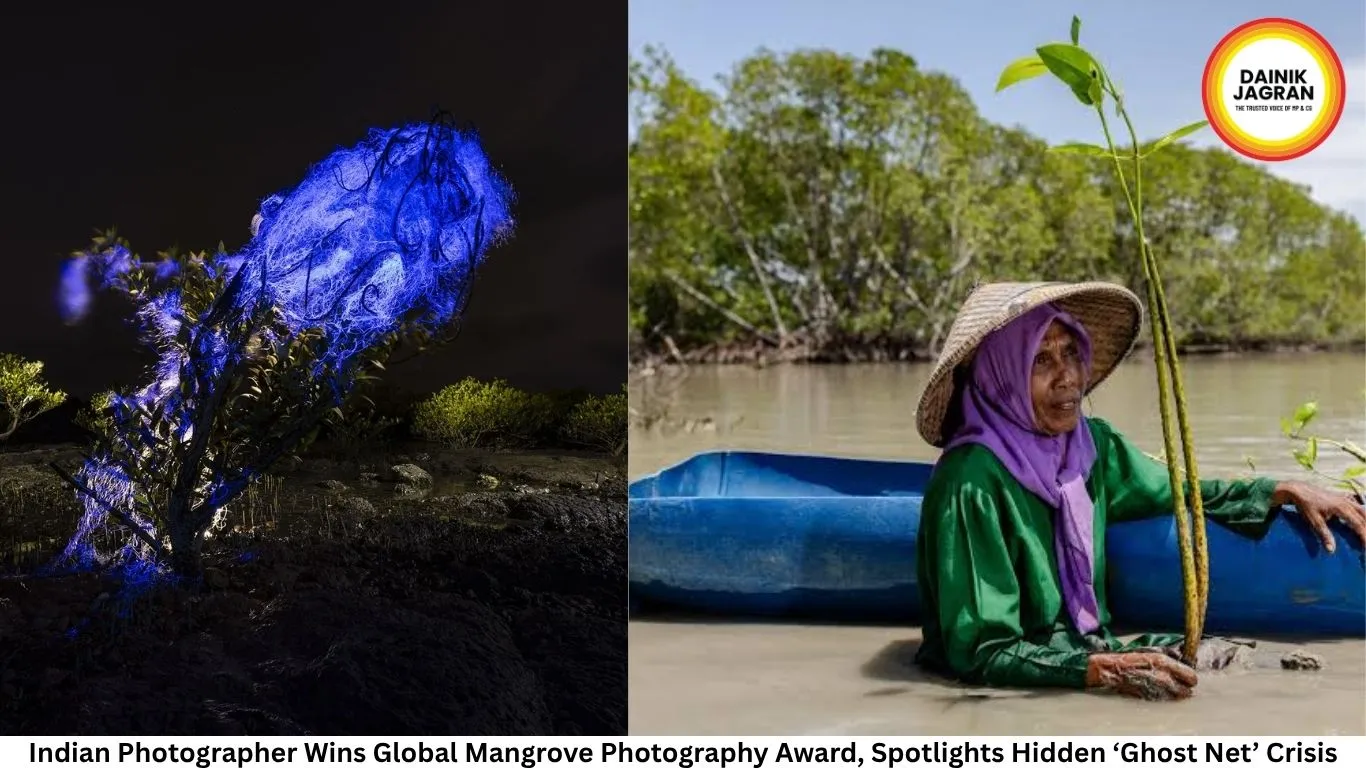
Captured on the mangrove-lined shores of Nandgaon village in Maharashtra, south of Mumbai, the award-winning image titled "Tangled Glow: When Life Meets the Ruins" reveals an abandoned fishing net glowing under ultraviolet light after a 13-second long exposure. The haunting visual has drawn global attention to one of the most overlooked threats facing coastal ecosystems.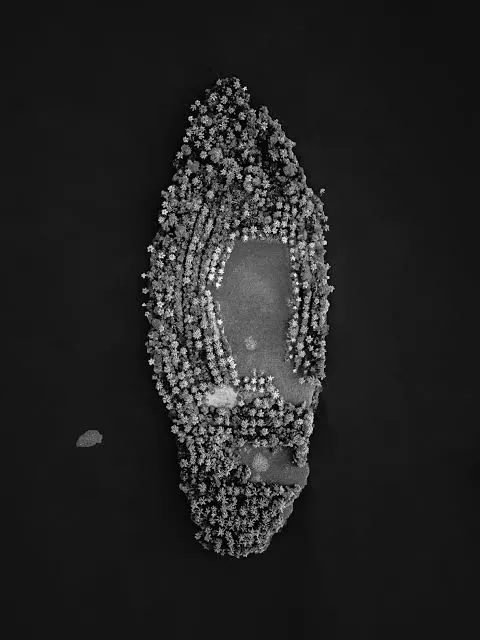
Award-Winning Image Highlights Hidden Threat
Patil, who transitioned from marine biology to conservation photography, said he wanted to present the issue in a way that would immediately capture public attention.
According to the photographer, abandoned fishing nets frequently become entangled in mangrove forests along India's coastline. Over time, these synthetic nets break down into microplastics, damage tree roots, trap wildlife, and continue polluting coastal habitats for decades.
Rather than documenting the problem in a conventional way, Patil used ultraviolet photography to transform the discarded net into an eerie glowing structure, creating a visually compelling image that blends art with environmental storytelling.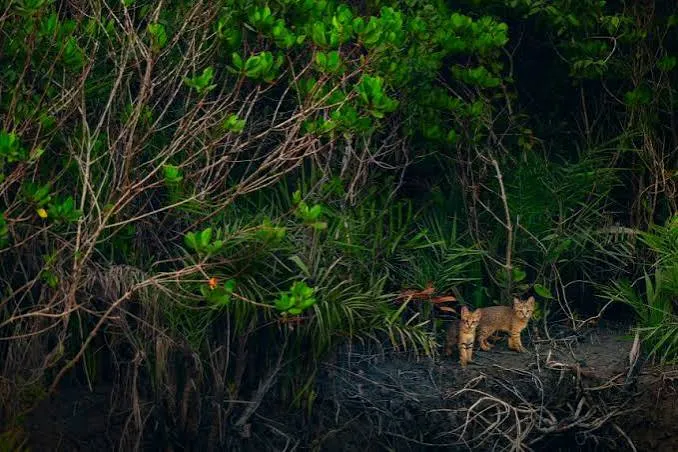
Why Ghost Nets Are Dangerous
Ghost nets are discarded or lost fishing nets that remain in oceans, rivers, and coastal forests long after they have been abandoned.
Environmental experts warn that these nets:
- Trap fish, birds, crabs, turtles, and other marine wildlife.
- Damage mangrove roots and young trees.
- Release harmful microplastics into coastal ecosystems.
- Continue "ghost fishing" for years without human intervention.
- Threaten biodiversity and local fishing communities.
According to estimates cited by conservation organizations, between 500,000 and one million tonnes of fishing gear are abandoned in oceans every year, making ghost nets one of the world's largest sources of marine plastic pollution.
India's Mangroves Under Growing Pressure
India is home to nearly 5,000 square kilometres of mangrove forests, including approximately 40% of the Sundarbans, the world's largest mangrove ecosystem shared with Bangladesh.
Mangroves play a critical role in:
- Protecting coastlines from erosion.
- Reducing storm surge impacts.
- Absorbing large amounts of carbon.
- Supporting fisheries and biodiversity.
- Providing livelihoods for coastal communities.
However, these vital ecosystems are increasingly threatened by rising sea levels, coastal development, aquaculture projects, plastic pollution, and abandoned fishing gear.
The issue has gained renewed attention following concerns over infrastructure projects affecting mangrove forests along Mumbai's western coastline.
Global Competition Celebrates Conservation
The Mangrove Photography Awards, now in their 12th edition, received more than 5,000 submissions from photographers around the world, reflecting growing awareness of the importance of mangrove conservation.
Other winning photographs showcased remarkable wildlife and conservation stories from across the globe, including:
- Jungle cat kittens in India's Sundarbans.
- Royal Bengal tigers moving through mangrove forests.
- Bottlenose dolphins in the United States.
- Nile monitor lizards in The Gambia.
- Community-led mangrove restoration efforts in Indonesia.
The awards aim to use powerful visual storytelling to inspire action toward protecting one of the planet's most important coastal ecosystems.
Conservation Through Storytelling
Organizers believe photography can play a vital role in driving environmental awareness and conservation.
Leo Thom, Founder and Creative Director of the Mangrove Photography Awards, said Patil's image captured a global environmental issue that often goes unnoticed despite its widespread impact. He emphasized that abandoned fishing gear silently destroys mangrove ecosystems while releasing microplastics and remaining in the environment for decades.
Experts also stress that successful mangrove restoration should focus not only on planting trees but also on restoring natural water flow, allowing mangrove ecosystems to regenerate naturally.

Indian Photographer Wins Global Mangrove Photography Award, Spotlights Hidden ‘Ghost Net’ Crisis
Digital Desk
Indian marine biologist and wildlife photographer Gaurav Patil has been named the Overall Winner of the Mangrove Photographer of the Year 2026, earning international recognition for a striking photograph that exposes the silent environmental damage caused by abandoned fishing nets, commonly known as "ghost nets."
Captured on the mangrove-lined shores of Nandgaon village in Maharashtra, south of Mumbai, the award-winning image titled "Tangled Glow: When Life Meets the Ruins" reveals an abandoned fishing net glowing under ultraviolet light after a 13-second long exposure. The haunting visual has drawn global attention to one of the most overlooked threats facing coastal ecosystems.
Award-Winning Image Highlights Hidden Threat
Patil, who transitioned from marine biology to conservation photography, said he wanted to present the issue in a way that would immediately capture public attention.
According to the photographer, abandoned fishing nets frequently become entangled in mangrove forests along India's coastline. Over time, these synthetic nets break down into microplastics, damage tree roots, trap wildlife, and continue polluting coastal habitats for decades.
Rather than documenting the problem in a conventional way, Patil used ultraviolet photography to transform the discarded net into an eerie glowing structure, creating a visually compelling image that blends art with environmental storytelling.
Why Ghost Nets Are Dangerous
Ghost nets are discarded or lost fishing nets that remain in oceans, rivers, and coastal forests long after they have been abandoned.
Environmental experts warn that these nets:
- Trap fish, birds, crabs, turtles, and other marine wildlife.
- Damage mangrove roots and young trees.
- Release harmful microplastics into coastal ecosystems.
- Continue "ghost fishing" for years without human intervention.
- Threaten biodiversity and local fishing communities.
According to estimates cited by conservation organizations, between 500,000 and one million tonnes of fishing gear are abandoned in oceans every year, making ghost nets one of the world's largest sources of marine plastic pollution.
India's Mangroves Under Growing Pressure
India is home to nearly 5,000 square kilometres of mangrove forests, including approximately 40% of the Sundarbans, the world's largest mangrove ecosystem shared with Bangladesh.
Mangroves play a critical role in:
- Protecting coastlines from erosion.
- Reducing storm surge impacts.
- Absorbing large amounts of carbon.
- Supporting fisheries and biodiversity.
- Providing livelihoods for coastal communities.
However, these vital ecosystems are increasingly threatened by rising sea levels, coastal development, aquaculture projects, plastic pollution, and abandoned fishing gear.
The issue has gained renewed attention following concerns over infrastructure projects affecting mangrove forests along Mumbai's western coastline.
Global Competition Celebrates Conservation
The Mangrove Photography Awards, now in their 12th edition, received more than 5,000 submissions from photographers around the world, reflecting growing awareness of the importance of mangrove conservation.
Other winning photographs showcased remarkable wildlife and conservation stories from across the globe, including:
- Jungle cat kittens in India's Sundarbans.
- Royal Bengal tigers moving through mangrove forests.
- Bottlenose dolphins in the United States.
- Nile monitor lizards in The Gambia.
- Community-led mangrove restoration efforts in Indonesia.
The awards aim to use powerful visual storytelling to inspire action toward protecting one of the planet's most important coastal ecosystems.
Conservation Through Storytelling
Organizers believe photography can play a vital role in driving environmental awareness and conservation.
Leo Thom, Founder and Creative Director of the Mangrove Photography Awards, said Patil's image captured a global environmental issue that often goes unnoticed despite its widespread impact. He emphasized that abandoned fishing gear silently destroys mangrove ecosystems while releasing microplastics and remaining in the environment for decades.
Experts also stress that successful mangrove restoration should focus not only on planting trees but also on restoring natural water flow, allowing mangrove ecosystems to regenerate naturally.